

Quick answer: A cannabis COA sample date tells you when a laboratory says it received, collected, or analyzed an identified sample; it does not automatically prove that the report belongs to the retail product in your hand. Read the sample date alongside the laboratory name, report date, product description, batch or lot reference, methods, and the package label. The strongest match is document-based: the product format and identifiers connect clearly, and the seller can explain any difference.
This is adult buyer education, not medical, legal, or laboratory advice. It does not determine product safety, lawful status, suitability, or personal effects. State cannabis and hemp programs use different rules and terms, and requirements can change. When a COA, QR code, or package does not match, pause and ask for a current explanation rather than assuming a date solves the issue.
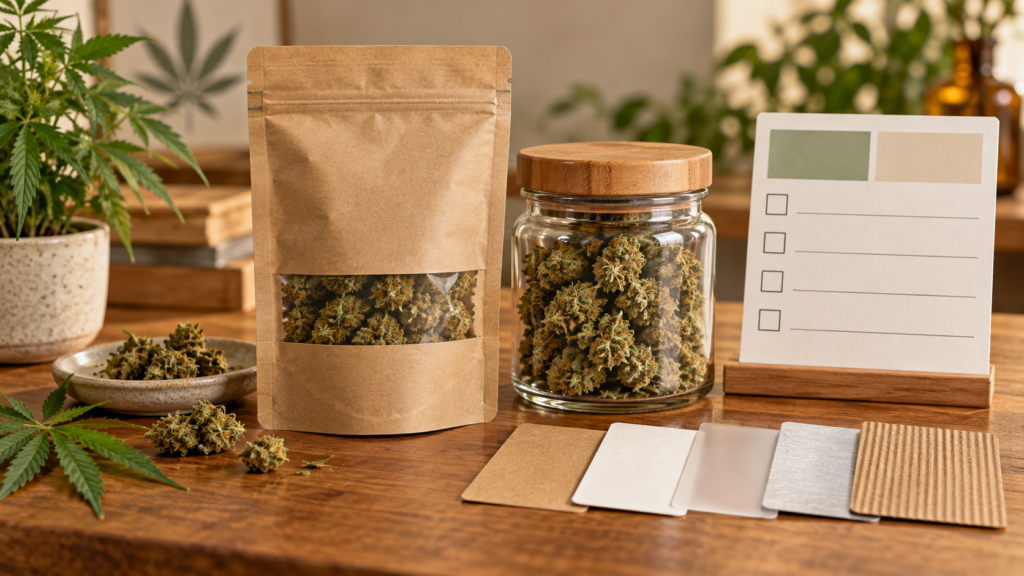
Use this COA sample-date checklist
- Find the date label. Is it sample collected, sample received, date tested, analysis date, report date, or certificate issue date? Record the exact phrase.
- Identify the laboratory. Look for the lab name, report number, and contact information where provided.
- Identify the tested sample. Compare the product description, matrix or product type, batch, lot, and sample identifier with the retail package.
- Check the report scope. Note which analyses appear and which do not. A cannabinoid panel is not the same as every possible quality or safety question.
- Compare current documents. Check the seller’s current product page and the package in hand, not only a cached image or an old social post.
- Ask for clarification before concluding. A difference may have an explanation, but a buyer should receive that explanation from the responsible seller or manufacturer.
Why a COA can show several dates
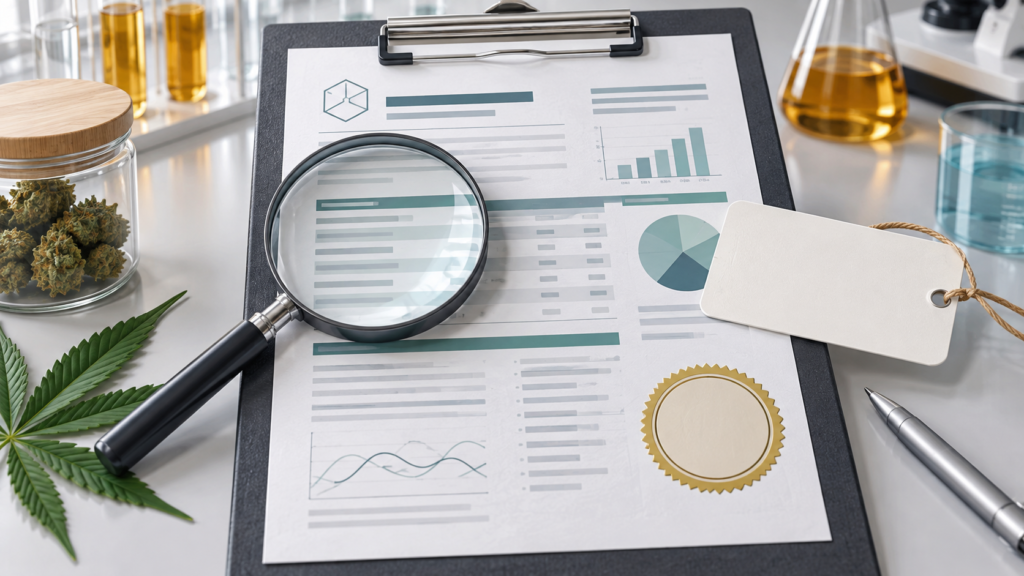
Laboratory reports are records of a process. A lab can note when a sample was collected, received, prepared, analyzed, reviewed, or reported. Those events are not interchangeable. A sample date may be earlier than a report date because testing and review take time. A report reissue date may be later than the analytical work because a document was corrected or regenerated. A packaging date can be different again because it belongs to retail production, not the laboratory workflow.
Do not decide that a COA is “old” or “new” from one date alone. Start by identifying what the date is labeled to mean. Then look for the tested product or matrix and the batch reference. A date can support a reasonable question—“Does this report correspond to this current lot?”—but it cannot answer that question without the surrounding identifiers.
The FDA notes that it has not approved CBD products other than one prescription drug, and it continues to raise questions about products containing cannabis or cannabis-derived compounds. That federal context is a reason to avoid turning a COA date into an FDA approval, health conclusion, or universal legal conclusion. State programs and product categories can vary; the specific package and current seller information remain central.
Match the retail package before interpreting the results
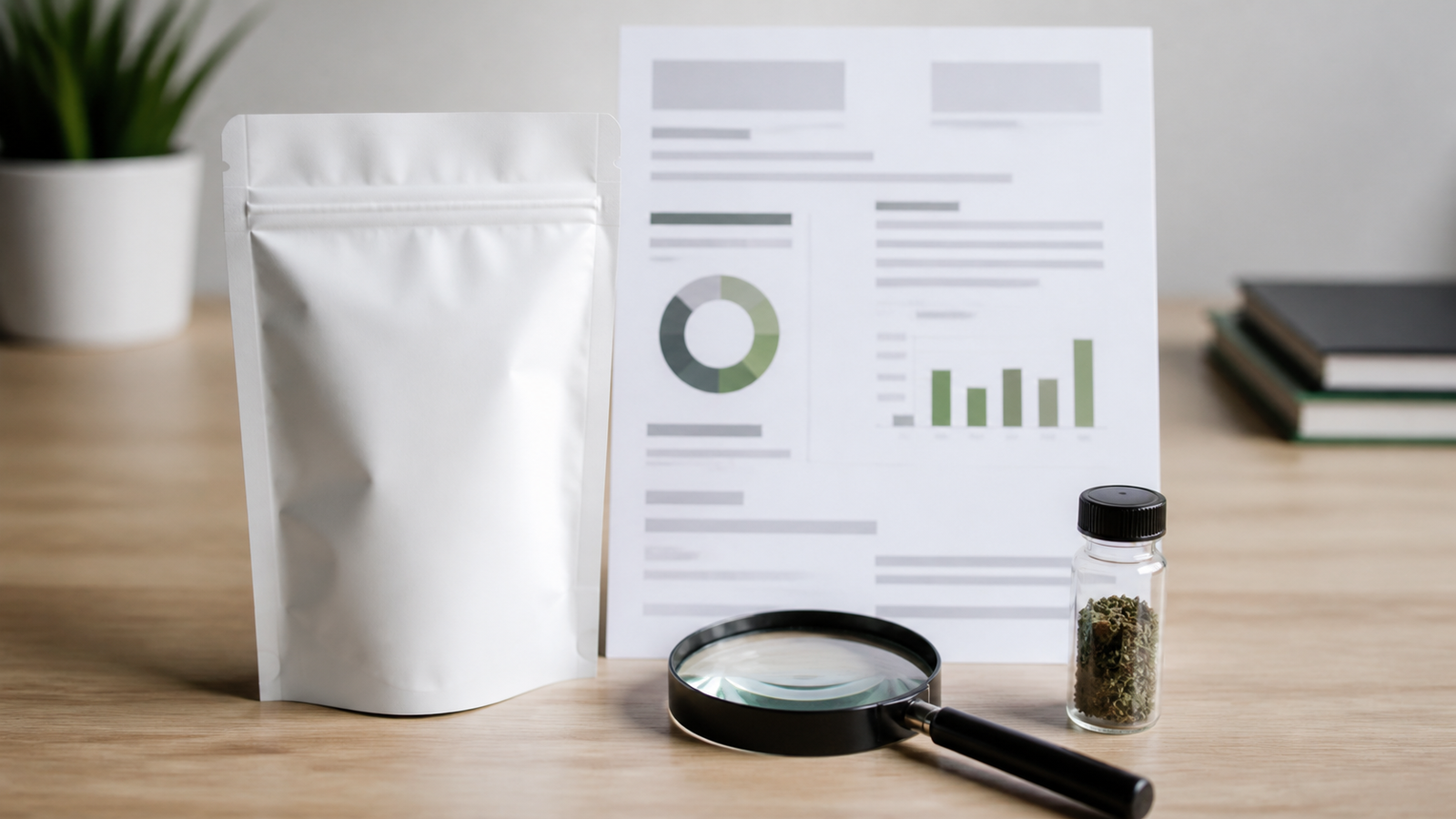
Begin with the item you actually received. Record the product name, format, package size, stated cannabinoid description, lot or batch code, and any QR code or COA link. Then open the report and compare its product name or sample description. A “gummy” report should not be treated as interchangeable with a vape, flower, or tincture report merely because the brand name is similar. The matrix can affect what is tested and how results are presented.
Next, compare batch information. Exact matching is strongest. If the report uses a different identifier, ask the seller to explain the relationship in writing. Do not invent a match because the dates are close or because the package color is similar. A product can be reformulated, relabeled, or supplied in more than one lot. The goal is not to prove perfection from a PDF; it is to establish whether the available documentation identifies the product offered.
For a disciplined walkthrough, use Herbxmind’s cannabis COA batch-matching checklist. It separates the questions that belong to the package, the product page, and the report. The COA QR-code guide adds a useful check: scan only to reach the document, then still inspect the document itself.
Sample date versus report date: a practical reading method
Use a five-column note: date label, date value, document field beside it, product or batch identifier, and question it answers. For example, “sample received” may answer when the lab logged material. “report issued” may answer when the certificate was released. “packaged on” may answer when a retail package was packed. Writing the label prevents a later reader from treating every date as the same event.
Then ask whether the timeline makes sense only in relation to the product identity. A report date after a package date is not automatically wrong; a document may relate to an earlier ingredient, production, or sample event, or the label may use a different date convention. Likewise, a very recent report is not automatically a match. The responsible party should be able to state which lot the report represents and whether the retail product is still associated with it.
Be precise about uncertainty. “This report has a sample-received date of X and the package carries lot Y” is a factual observation. “The product is verified” is a broader conclusion that may not follow unless the identifiers and seller explanation establish it. That difference matters for E-E-A-T: report what can be checked and label what remains unanswered.
Read the scope of testing, not only a headline number
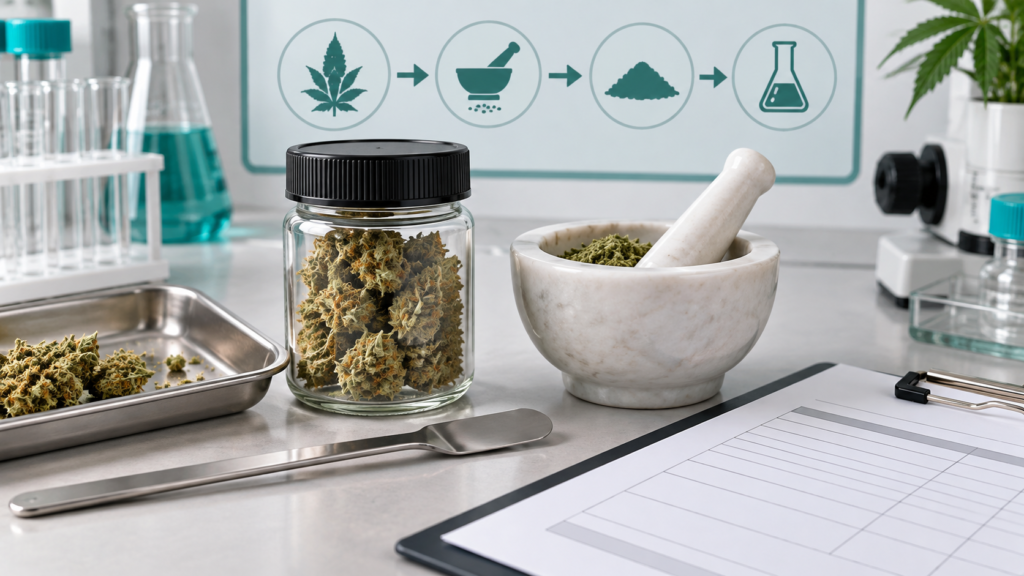
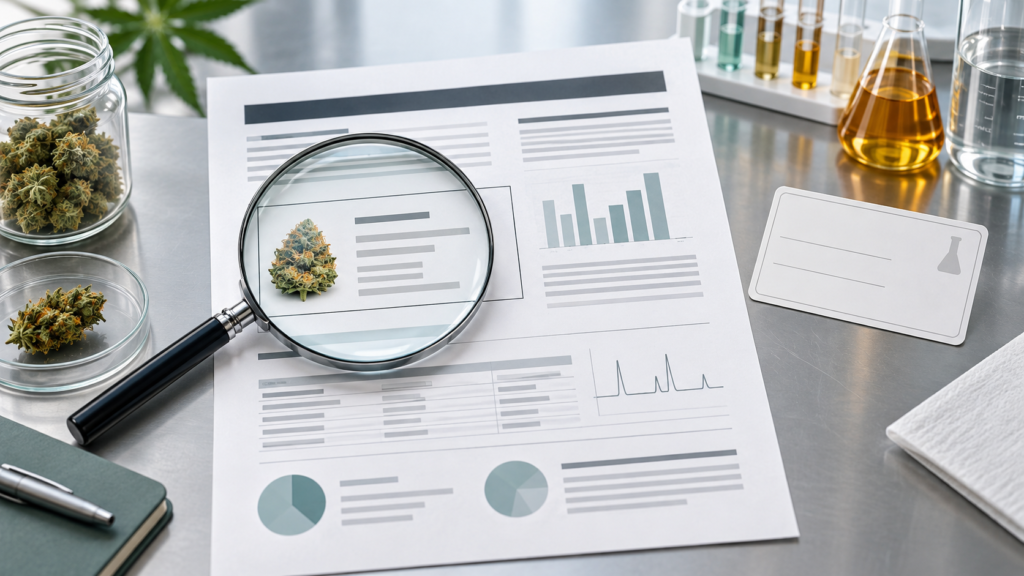
A COA can include cannabinoid measurements, and it may also contain panels for other analytes depending on the product, laboratory, and program. The visible categories are part of the information. If a report shows cannabinoids, that does not mean it reports pesticides, residual solvents, heavy metals, microbes, or every other conceivable concern. If a report lists a panel, read the analyte names, results, units, limits, methods, and notes as presented. Do not convert a single “pass” notation into a guarantee about everything else.
Laboratory terminology can be technical. Terms such as ND, LOQ, LOD, action level, and method name have specific analytical meanings that may differ among reports. The result field should be read with its unit and the laboratory’s legend. A buyer who needs a technical interpretation should ask the laboratory or seller what the report field means for that identified document, rather than relying on a generic online translation.
Herbxmind’s pesticide COA guide and total cannabinoids guide explain the boundaries of two common panels. They do not make any product-specific testing claim.
When the date and package do not appear to line up
A mismatch is a question, not a verdict. Preserve the package and take readable photos of the lot, date, product name, and QR code. Save the exact COA URL or PDF. Then ask the seller: “Does this COA apply to this product format and lot? Please explain the relationship between the COA’s sample or report date and the retail package identifiers.” If the answer points to a newer document, compare the new document afresh rather than assuming it fixes every field.
Do not edit, crop, or annotate the original document before you save it. Retaining the original URL, file name, and screenshot supports a clear support request. Avoid sending the product to an unrelated third party based on a date mismatch alone; follow the seller’s current return or support instructions and the information on the legal disclaimer.
What a careful buyer can conclude
A careful conclusion is modest: “This report identifies this laboratory, this date field, this tested sample description, and these stated results. The retail package shows this product and lot. The identifiers do—or do not—clearly connect.” That is enough to decide whether more information is needed. It is not enough to promise safety, effect, regulatory compliance in every place, or suitability for anyone.
Before ordering, consult the current shipping information, browse product information only where permitted through Shop All, and use contact support for product-document questions. These links do not override local law or make any availability guarantee.
Frequently asked questions
Is the COA sample date the same as the product expiration date?
No. A COA sample date identifies a laboratory-event field, while a retail package date identifies label information. Read each with its exact wording and match both to the product and lot before drawing any conclusion.
Can a close date prove a COA belongs to my product?
No. Dates can support a question, but product format, batch or lot identifiers, and a responsible seller’s explanation are needed to establish a clear document connection.
Does a cannabinoid result mean every quality panel passed?
No. A report only supports the analyses it actually identifies. Review the report scope, units, methods, and notes; do not treat one result or one panel as a universal guarantee.
Bottom line
A cannabis COA sample date is a useful clue, not a stand-alone credential. Read its label, match the product format and batch, inspect the scope of testing, and request a current explanation for any gap. Reviewed August 17, 2026 against FDA cannabis information and Oregon Liquor and Cannabis Commission public guidance as a state-specific regulatory example. This is adult buyer education where permitted, not medical or legal advice, a laboratory certification, or a product guarantee.
Sources: FDA, Cannabis and Cannabis-Derived Products; Oregon Liquor and Cannabis Commission, Marijuana Testing.