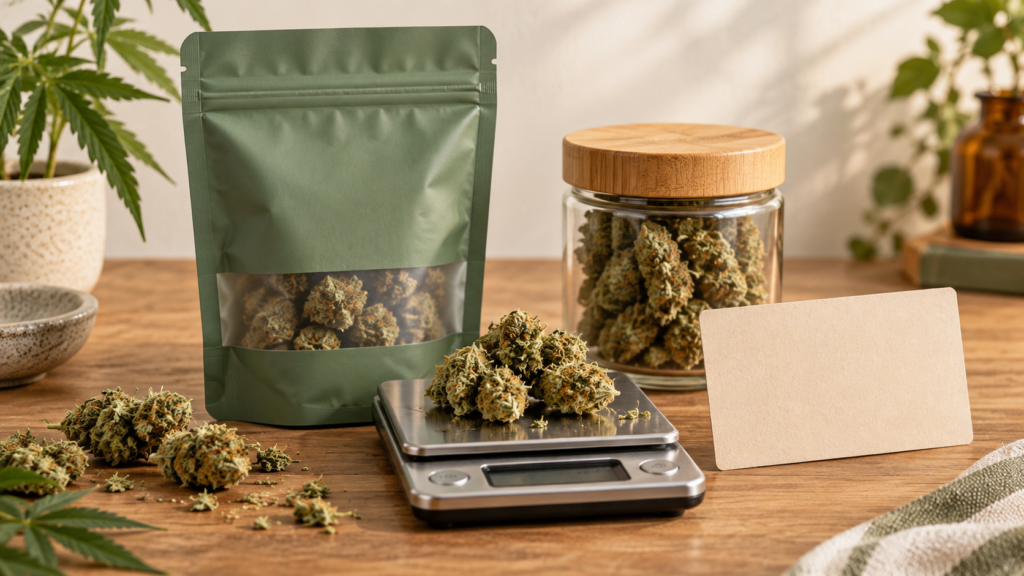



Quick answer: CBD oil can change over time, but a bottle’s practical shelf life depends on its ingredients, packaging, storage conditions, seal, and the seller’s date guidance. Check the best-by or expiration information, batch details, appearance, smell, and packaging integrity. Do not use a product that is leaking, contaminated, tampered with, or impossible to identify.
People searching how long does CBD oil last usually want a simple number. A responsible answer is more conditional: the printed date and product-specific instructions take priority, while heat, light, oxygen, moisture, repeated opening, and poor handling can shorten the useful period. This article provides a storage and label-reading routine, not a guarantee that any bottle remains suitable for a particular person.
What determines how long CBD oil lasts?
Several variables affect a packaged oil:
- Formula: carrier oil, extract type, flavorings, and other ingredients may have different stability considerations.
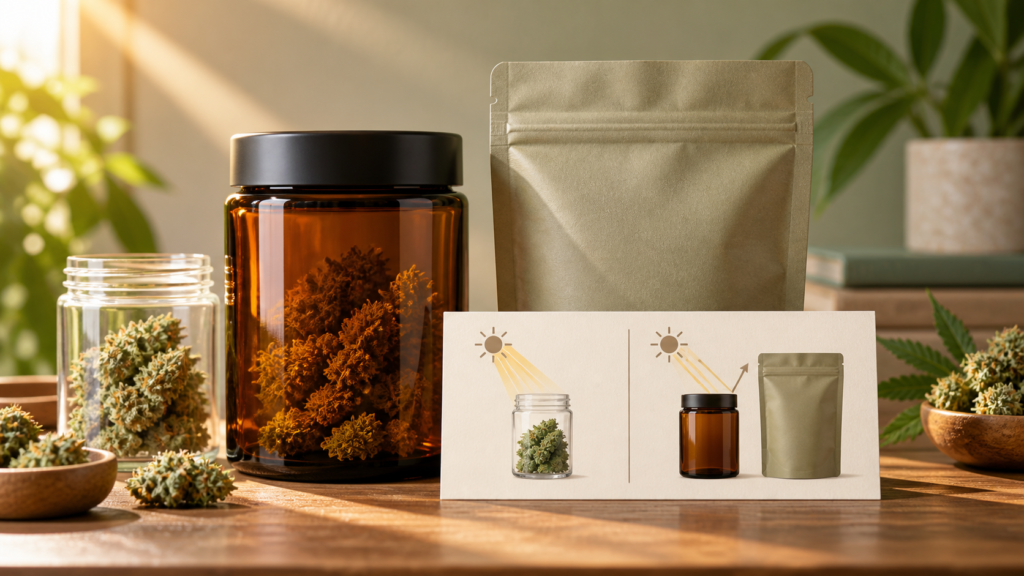
- Packaging: a sealed, light-protective container can limit exposure better than an open or damaged package.
- Opening history: each opening can introduce air, moisture, handling, and contamination.
- Storage: heat, direct sunlight, and repeated temperature swings are avoidable risks.
- Date guidance: the manufacturer’s best-by or expiration information should be used for that product.
- Traceability: a batch code and product record help identify the exact formula and report.
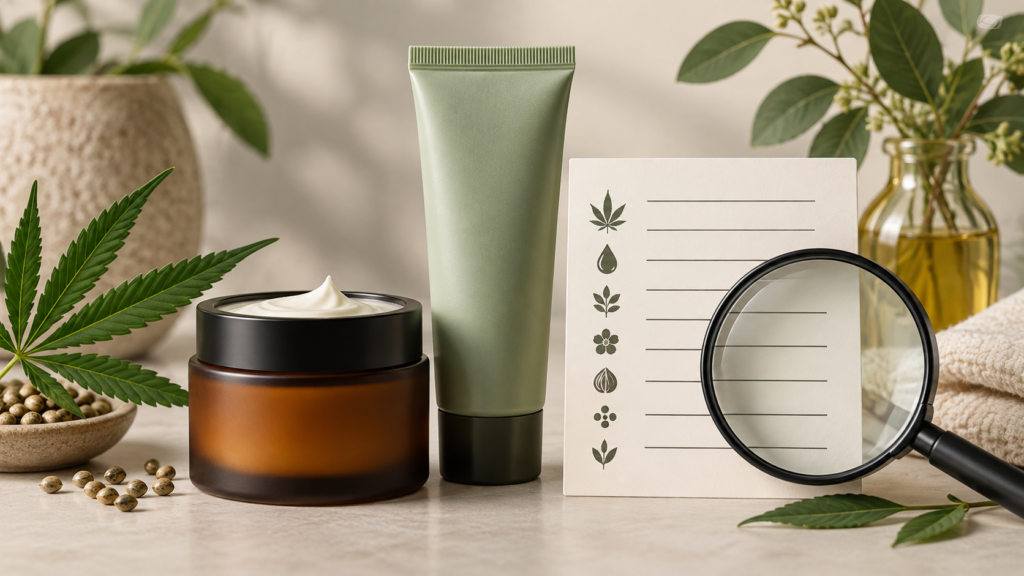
There is no universal “CBD oil lasts exactly X months” rule that overrides the product label. If a seller provides storage and date guidance, save it with the order. The CBD oil label guide explains how to distinguish bottle volume, total CBD, serving units, and ingredient information.
How to read the date on CBD oil
Look for “best by,” “best before,” “use by,” or an expiration date. These terms can communicate different manufacturer expectations, so do not silently treat them as interchangeable. A date printed on the box may not be visible on the bottle after the box is discarded. Photograph both before opening.
Check whether the date is paired with a batch code. The code can help customer support identify the production run and report. If the date is smudged, missing, or inconsistent across the bottle and carton, ask the seller for clarification before use.
An old date is not the only warning sign. A product may be unsuitable when the seal is broken, the bottle is cracked, the liquid has leaked, or the package was stored in extreme conditions. Conversely, a date alone cannot prove that a bottle was stored correctly. Use date, condition, and storage history together.
Best practices for storing CBD oil
- Keep the bottle in its original packaging when possible.
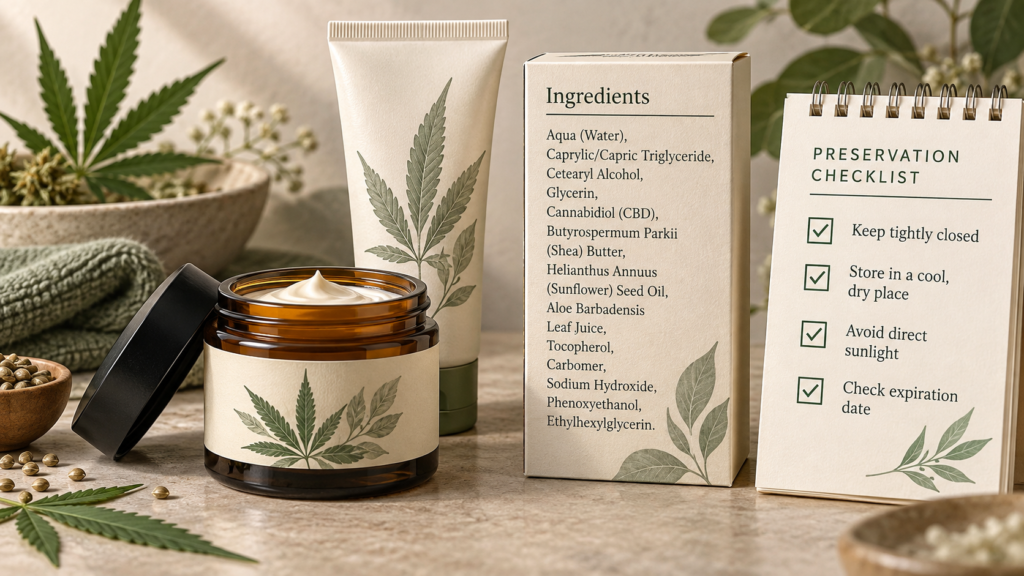
- Store it in a cool, dry, dark location consistent with the product instructions.
- Keep the cap or dropper closed tightly after each use.
- Avoid windowsills, hot vehicles, bathrooms with high humidity, and locations near cooking heat.
- Do not share droppers between products or touch the dropper tip to surfaces.
- Keep products away from children and pets.
- Record the date opened if the seller gives an open-use timeframe.
- Retain the batch code and COA URL until the bottle is finished or discarded.
Storage is not a substitute for a reliable label. A well-stored product with no identity, ingredients, or batch information is still difficult to evaluate. For report traceability, see the batch number guide and COA reading guide.
How to tell when to pause
Do not rely on taste testing to decide whether an unknown or damaged product is acceptable. Pause if the oil has an unexpected smell, visible particles, separation that the product instructions do not explain, a damaged seal, a cracked bottle, unusual leakage, or a changed package. Natural extracts can vary in color and texture, so appearance alone is not a laboratory test. The safe consumer step is to compare the product with its instructions and contact the seller.
If a product was exposed to heat or sunlight, document what happened and ask the seller whether the product should be replaced. Do not mix it into another bottle to “save” it, because that removes traceability. For a damaged shipment, photograph the package before opening and use the seller’s contact route.
Does the CBD amount decline over time?
Consumers should not assume that a printed total CBD number remains an exact measurement indefinitely. Cannabinoids and other ingredients can be affected by time and conditions, but the amount of change depends on formulation, packaging, and storage. A product page is not a substitute for a current batch test, and a report describes the submitted sample rather than every future bottle.
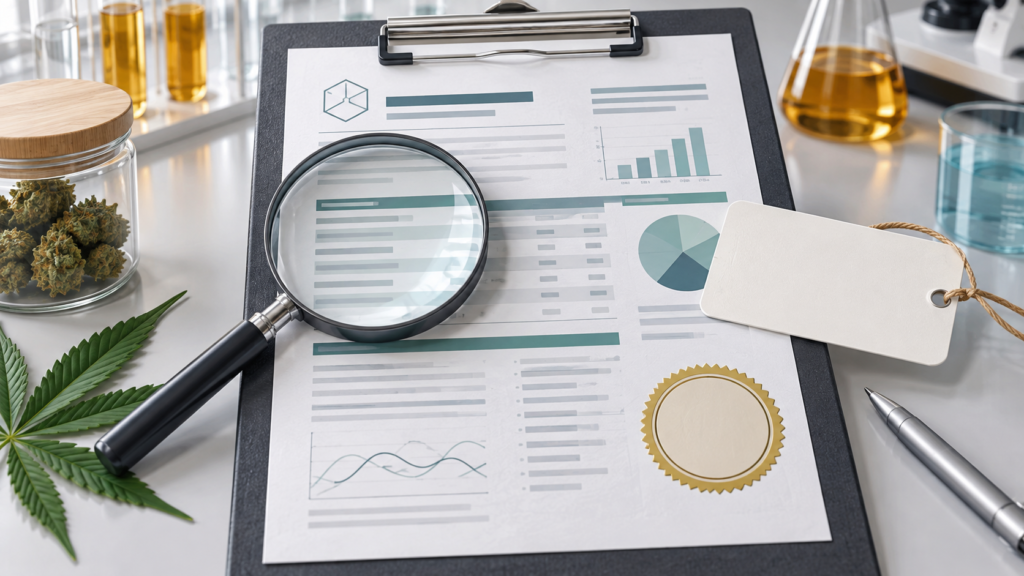
Use a COA to understand a batch at the time it was tested. Confirm laboratory identity, report date, product description, batch code, units, and relevant panels. The COA batch checklist can help. If a report is far older than the bottle or the code does not match, ask for a current document.
Safety and evidence boundaries
The FDA says many retail CBD products have not been evaluated or approved as general medicines and that there are unanswered questions about safety, quality, interactions, and appropriate use. Read the FDA consumer update and FDA approval facts. Do not use a storage article to decide whether CBD is suitable for a health condition, pregnancy, medication regimen, or child.
The CDC provides public-health information about cannabis products and routes of use in its FAQ. For personal safety and interaction questions, consult a qualified healthcare professional. This article does not diagnose, treat, cure, prevent, or guarantee any outcome.
CBD oil shelf-life checklist for buyers
- Is the date printed clearly on both bottle and carton?
- Is the batch or lot code still readable?
- Does the COA identify the same product and batch?
- Are storage instructions easy to find?
- Was the package sealed and undamaged on arrival?
- Has the bottle been stored away from heat, light, and moisture?
- Was the cap closed and the dropper kept clean?
- Is any change in smell, leakage, or appearance explained by the product instructions?
- Can customer support answer a date or damaged-package question?
Check the shipping policy for delivery conditions and the regional availability page before reordering. Shipping practices and destination rules may change.
Frequently asked questions
Can CBD oil be used after the expiration date?
Do not assume it is appropriate. Follow the product’s date guidance and contact the seller or a qualified professional for questions. A consumer article cannot certify an individual bottle.
Should CBD oil be refrigerated?
Only follow refrigeration guidance supplied for that product. Temperature changes and condensation may create their own handling issues. A cool, dry, dark place is a common general storage concept, but the product instructions control.
Why did the oil change color?
Color can vary by extract, carrier, light exposure, and time. Color alone cannot establish whether an oil is acceptable. Compare the instructions, condition, storage history, and seller response.
Can I pour old CBD oil down the drain?
Follow local disposal directions and product guidance. Do not dispose of a labeled cannabinoid product where a child or pet could access it.
What to record after opening a bottle
Write the opening date on a private purchase record rather than directly on a label that must remain readable. Note where the bottle is stored and whether the cap, seal, and dropper remain intact. Keep the carton or photograph its date and batch code. If the seller publishes a replacement COA later, you can compare it with the record rather than trying to reconstruct which bottle you bought.
Use a first-in, first-out approach when you have multiple unopened products: finish reviewing the oldest clearly identified product first, while following its own instructions. Do not keep a bottle indefinitely simply because liquid remains. If the date has passed, the package has been damaged, or storage was uncertain, ask for guidance or dispose of it according to local instructions.
A clean record also helps when a product is recalled, a label changes, or a seller updates its formulation. The record should contain only information you need: product name, purchase date, batch number, date guidance, COA URL, and support contact. Avoid storing unnecessary identity information with a product note.
When in doubt, stop the comparison at the evidence boundary: ask the seller for a current answer, then decide whether the available information is sufficient.
Do not let a low price or a familiar product name replace this check. Traceability and honest storage information are part of the buying decision.
Keep the decision simple: identify the bottle, verify the date and batch, follow storage guidance, and stop when the evidence is unclear.
Conclusion
How long CBD oil lasts is a product-specific question. Use the printed date, batch code, packaging condition, storage history, and current seller information together. Keep the bottle cool, dry, dark, sealed, and traceable; pause when the package or liquid is damaged or unexplained. Good records make it easier to choose a replacement and to ask a precise question about the exact product you received.
Editorial note: Herbxmind publishes adult-use consumer education. This article is not medical, legal, or individualized advice. Dates, formulas, laboratory reports, and regulations can change; verify current information before purchase or use.