

Quick answer: A CBD gummy date label is most useful when you treat it as a product-identification and quality-information check, not as a promise about safety, freshness, effects, or legality. Read the exact words beside the date, compare the date with the package condition and storage directions, record the lot or batch code, and ask the seller what the date means for that product. In the United States, most food-date wording is voluntary and generally communicates quality rather than a safety deadline; infant formula is a notable exception. CBD products may not be regulated like conventional foods, so a familiar date phrase does not establish FDA review or approval.
This adult buyer-education guide does not diagnose product condition, give medical advice, recommend use, or guarantee delivery or legality. Rules and product handling can change by jurisdiction and item. When a package looks damaged, tampered with, or materially different from its listing, pause and use the seller’s current support process.
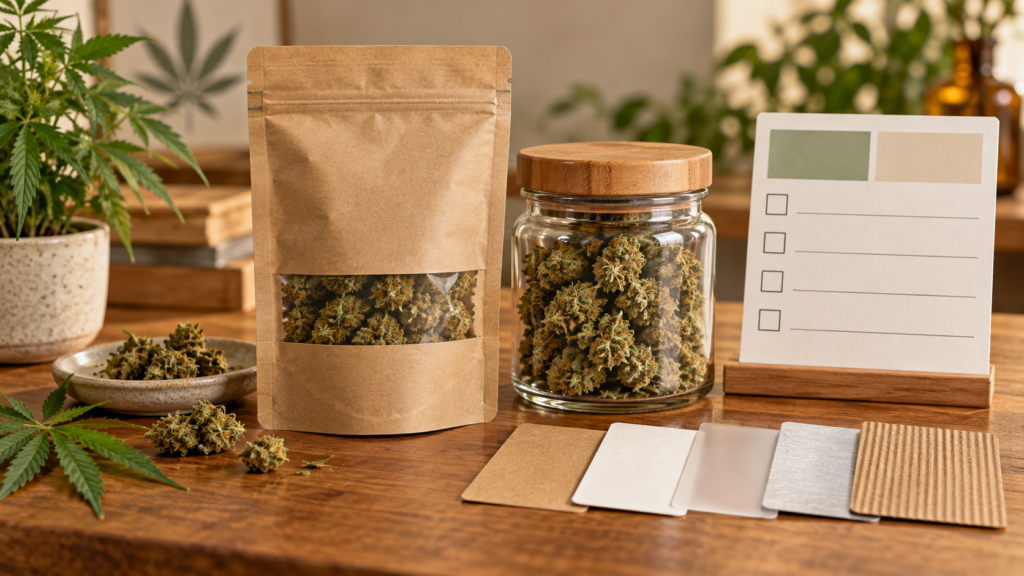
Start with this CBD gummy date-label checklist
- Read the label word for word. Note whether it says “best if used by,” “best by,” “use by,” “sell by,” packed on, or a different phrase. Do not replace the printed wording with an assumption.
- Identify the package. Write down the product name, flavor, package size, stated cannabinoid information, date, and lot or batch code.
- Check the seal and storage directions. A date cannot tell you whether an individual pouch was stored correctly or remains in its original condition.
- Compare documents. Confirm the current product page describes the same product format and look for a batch-linked COA where one is provided.
- Ask a focused question. If the date is unclear, ask the seller or manufacturer what that specific date represents and whether it applies to the listed lot.
- Keep evidence, not guesses. Photograph the unopened package, including the date and lot, before reporting a concern.
What a date on a CBD gummy package can tell you
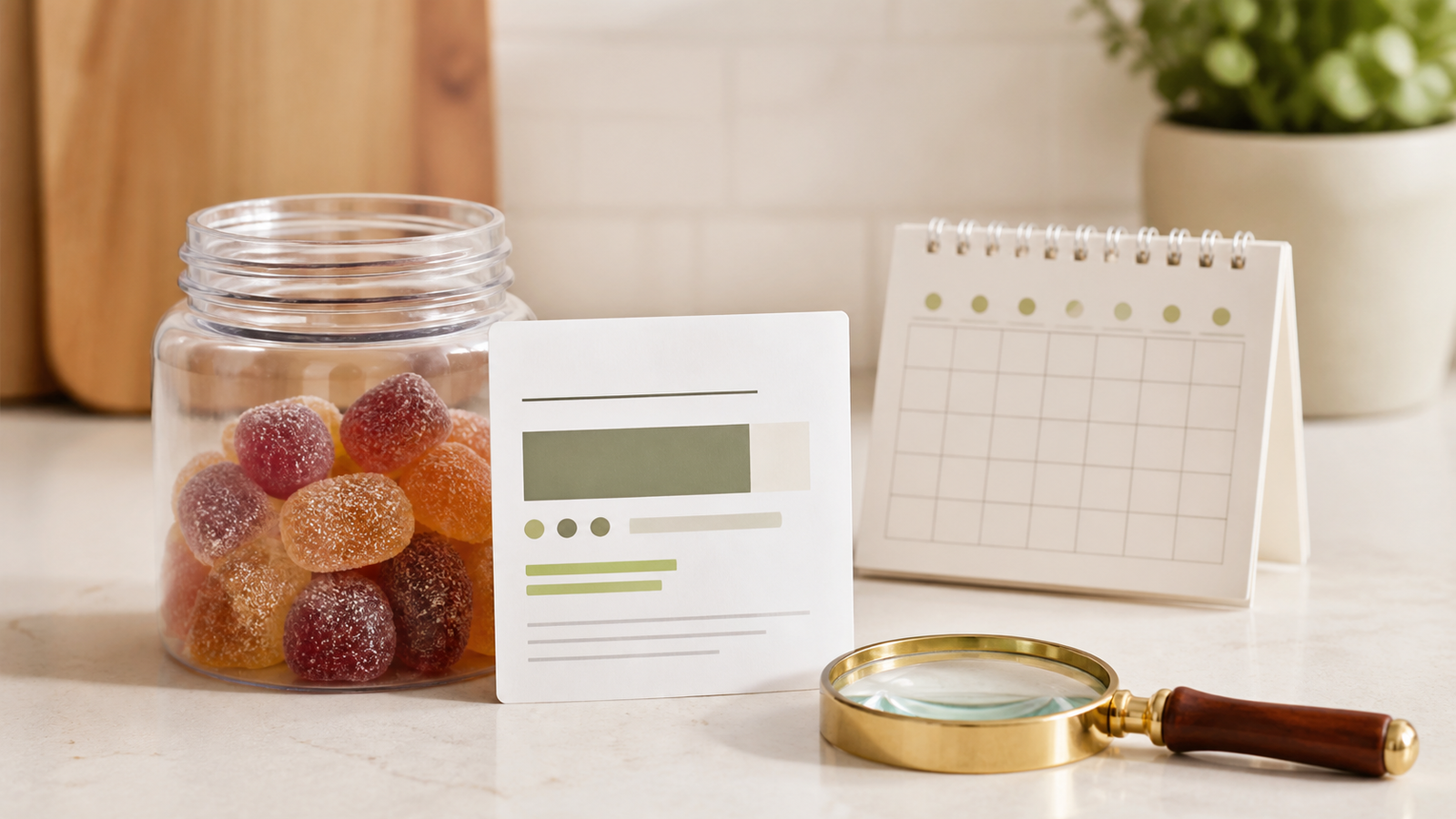
A package date gives you a reference point for a conversation and a comparison. It can help distinguish one production lot or retail package from another. It may also tell you that the maker intends a product-quality window, especially when the label says “best if used by” or a similar phrase. It does not independently verify the formula, prove a product was stored in a particular way, establish the amount of any cannabinoid, or determine whether an item is suitable for a person.
The U.S. Department of Agriculture explains that, except for infant formula, federal law does not require date labels on packaged foods and that date labels commonly address quality rather than food safety. That is helpful background for reading a familiar date phrase. It is not a claim that every cannabinoid gummy follows conventional food-label rules, is FDA-evaluated, or has identical state treatment. The safest reading habit is narrow: this package carries this date phrase for this product and lot.
Do not turn a date into a potency prediction. A date alone does not prove that cannabinoid content is unchanged, that flavors or texture will meet an expectation, or that a lab report applies to the retail item. The product page, package, lot code, and any laboratory document each answer different questions. Herbxmind’s CBD gummies label guide explains how to keep the package facts in view before comparing products.
Best by, use by, sell by, and packed on are not interchangeable
Readers often treat any printed date as an expiration date. That shortcut can obscure the most important detail: the phrase that accompanies the number. “Best if used by” commonly signals the maker’s view of peak quality. “Sell by” can be an inventory instruction for a retailer. “Packed on” identifies a packing date rather than an end date. “Use by” may carry a different meaning under a particular state program or manufacturer policy. Definitions can vary, and a state rule can change, so do not generalize a label term beyond the package and applicable instructions.
For an adult buyer, the practical response is simple. Capture the complete phrase, not only the month and year. Check whether the package gives storage instructions or a contact channel. If a product page uses different wording from the package, identify both versions when asking support. A clear question is better than a broad one: “The sealed package for lot X shows this date. What does this date mean for this item, and does it match your current product information?”
There is no reliable universal conversion from a date phrase to a personal decision. Health, dietary, allergy, and medication questions require an appropriate qualified professional; an article cannot make that determination. For a condition, odor, leak, missing seal, or damaged package concern, preserve the package and follow the seller’s current process instead of relying on a calendar calculation.
Read the date with the lot or batch code
The date becomes much more useful when paired with a lot or batch identifier. A lot code can connect the physical item to a manufacturer question, an order record, or a product-specific certificate of analysis. It does not guarantee that a report applies; you still need to check whether the product name, format, and identifying details match. But it makes the question precise enough for support to investigate.
Take a readable photo of the unopened package. Include the date, lot code, product name, and any storage wording. Keep the order confirmation separately. Then compare the package with the seller’s listing. Does the package size match? Does the product name describe the same cannabinoid format? Is the COA link clearly tied to an identified batch? If the answer is not clear, do not fill gaps with an old product photo or a social-media comment. Use the documentation process in the CBD COA comparison guide and contact the seller with the exact identifiers.
Lot information also helps if two packages use the same flavor name but have different labels or dates. That difference does not, by itself, prove an error or defect. Formulas, packaging, and listings can change. It is a reason to ask which product information is current for the specific package in hand.
Storage directions matter, but they are not a quality guarantee
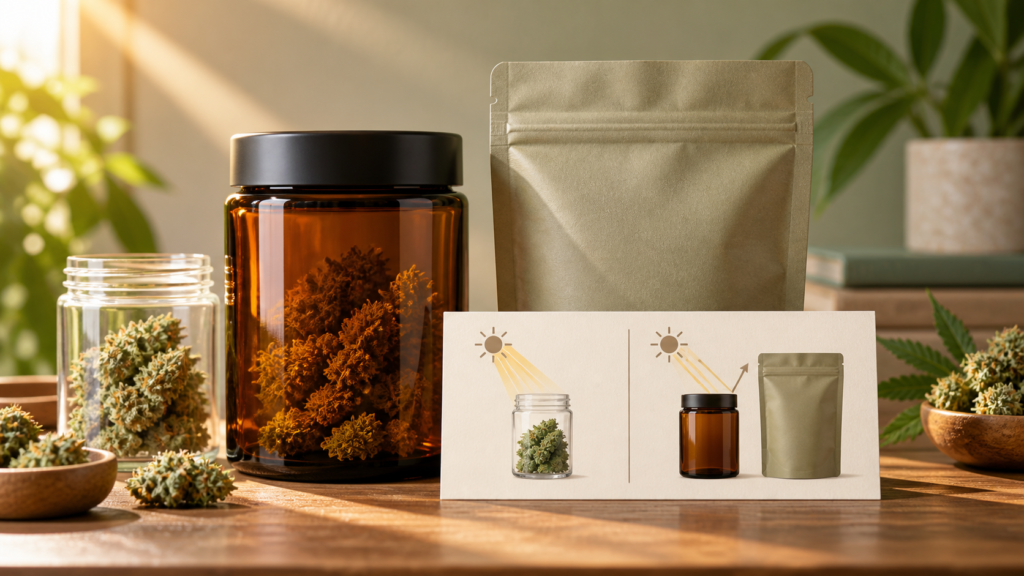
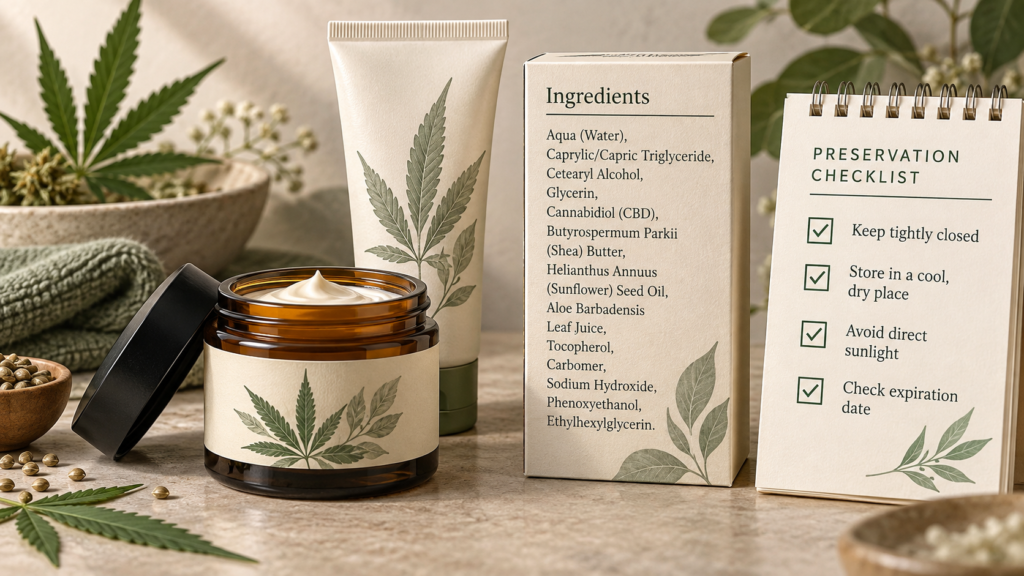
CBD gummy packages may provide directions about temperature, light, moisture, resealing, or keeping the product away from children. Follow the directions printed on the actual package rather than importing a generic storage rule from another brand or format. A product stored in a car, a humid room, or an opened container may not be comparable to an unopened package shown in a retail listing. Conversely, a package that looks normal cannot be certified by appearance alone.
Use the same document-first approach described in how to store CBD gummies: check the label, preserve the packaging, and ask when conditions or directions are uncertain. Storage information is not a dosing instruction and does not make a product appropriate for a particular person. Keep product handling separate from health advice.
If a package arrives damaged, has a broken seal, has a label discrepancy, or appears materially different from the order, do not try to resolve the issue by reading the date more closely. Photograph the condition, keep the packaging, and use the seller’s support channel. The damaged gummy package checklist gives a practical evidence-preservation sequence.
Compare the date, package, product page, and COA as separate records
Good buyer education avoids making one document do every job. The retail package identifies the item you received. The product page explains the seller’s current offer. A COA may report analysis of an identified sample. The date and lot help you ask whether those records relate to the same item. None of these sources, alone or together, provides a guarantee about future availability, legal status in every destination, personal effects, or medical suitability.
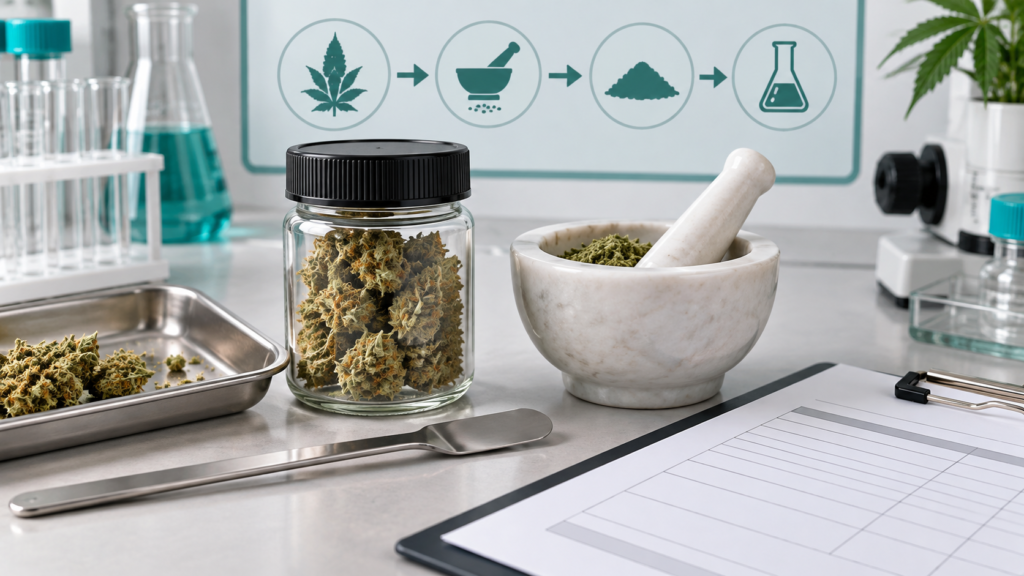
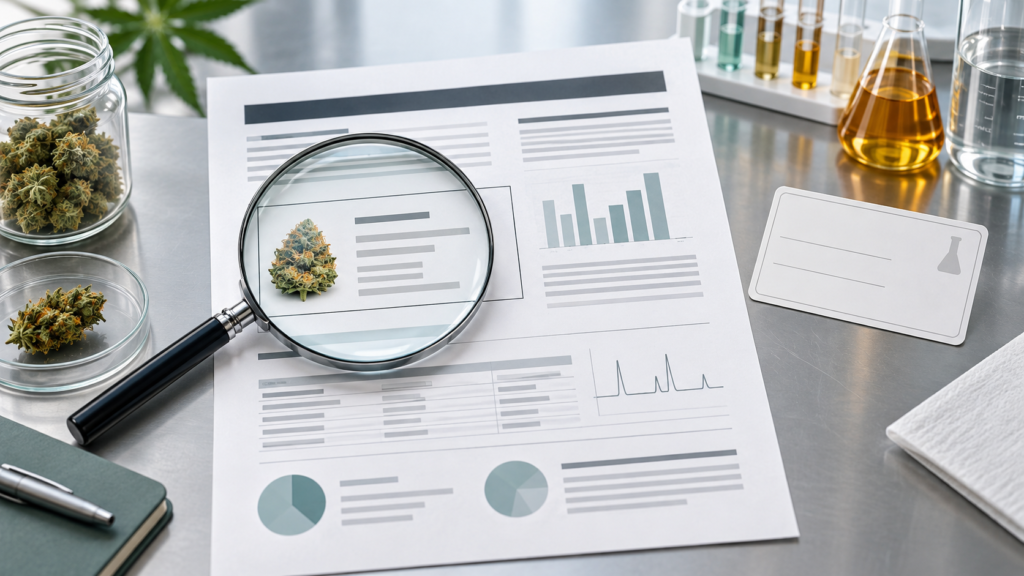
When a COA is available, compare the product identity first. Look for the product name or format, batch or lot reference, sample or report date, and laboratory identification. A report with a matching month but a different product name is not a match. A matching product name without a traceable batch may still leave a question. See how to verify a cannabis COA QR code for a step-by-step way to keep the link, document, and package distinct.
Questions to send before you rely on a date
- What does the exact printed date phrase mean for this product and lot?
- Does the current product page apply to this package size and flavor?
- Which storage directions apply to the unopened product and to the package after opening?
- Is there a current, product-specific COA connected to this lot, and how should its identifiers be matched?
- What should I do if the seal, label, or contents appear unusual?
Use Herbxmind contact support for order or product-document questions. Before arranging an order, review the current where we ship information and the legal disclaimer; those pages are informational and do not make availability or legality a universal conclusion.
Frequently asked questions
Does a CBD gummy date mean the product is expired?
Not necessarily. The meaning depends on the exact label wording, the manufacturer’s current information, and applicable rules. Many U.S. food date labels communicate quality rather than a universal safety deadline, but CBD products can have different regulatory treatment. Ask the seller about the specific product and lot.
Can I use a COA date instead of the package date?
No. A COA date may identify sample collection, analysis, or report timing. The package date identifies a retail-label detail. Compare both records with the product name and lot code rather than treating either date as a substitute for the other.
What should I do if the date or lot code is unreadable?
Do not guess. Photograph what is visible, keep the package, and contact the seller or manufacturer with the order and product details. A readable identifier is important for a specific support or document question.
Bottom line
A CBD gummy date label is a prompt to verify, not a shortcut to certainty. Read the exact wording, pair it with the lot code and package condition, compare only matching product records, and ask direct questions when something is unclear. Reviewed August 17, 2026 against USDA food-date guidance and FDA cannabis information. This is adult buyer education where permitted, not medical, legal, dietary, or safety advice and not a product approval or guarantee.
Sources: USDA FSIS, Food Product Dating; FDA, Cannabis and Cannabis-Derived Products.