

Quick answer: CBD vapes and gummies are different product formats with different ingredients, serving units, storage needs, and use-related considerations. Compare the exact CBD amount, THC information, ingredient list, batch-specific COA, package condition, seller policies, and destination rules. Neither format is universally better, and a label cannot promise a medical result.
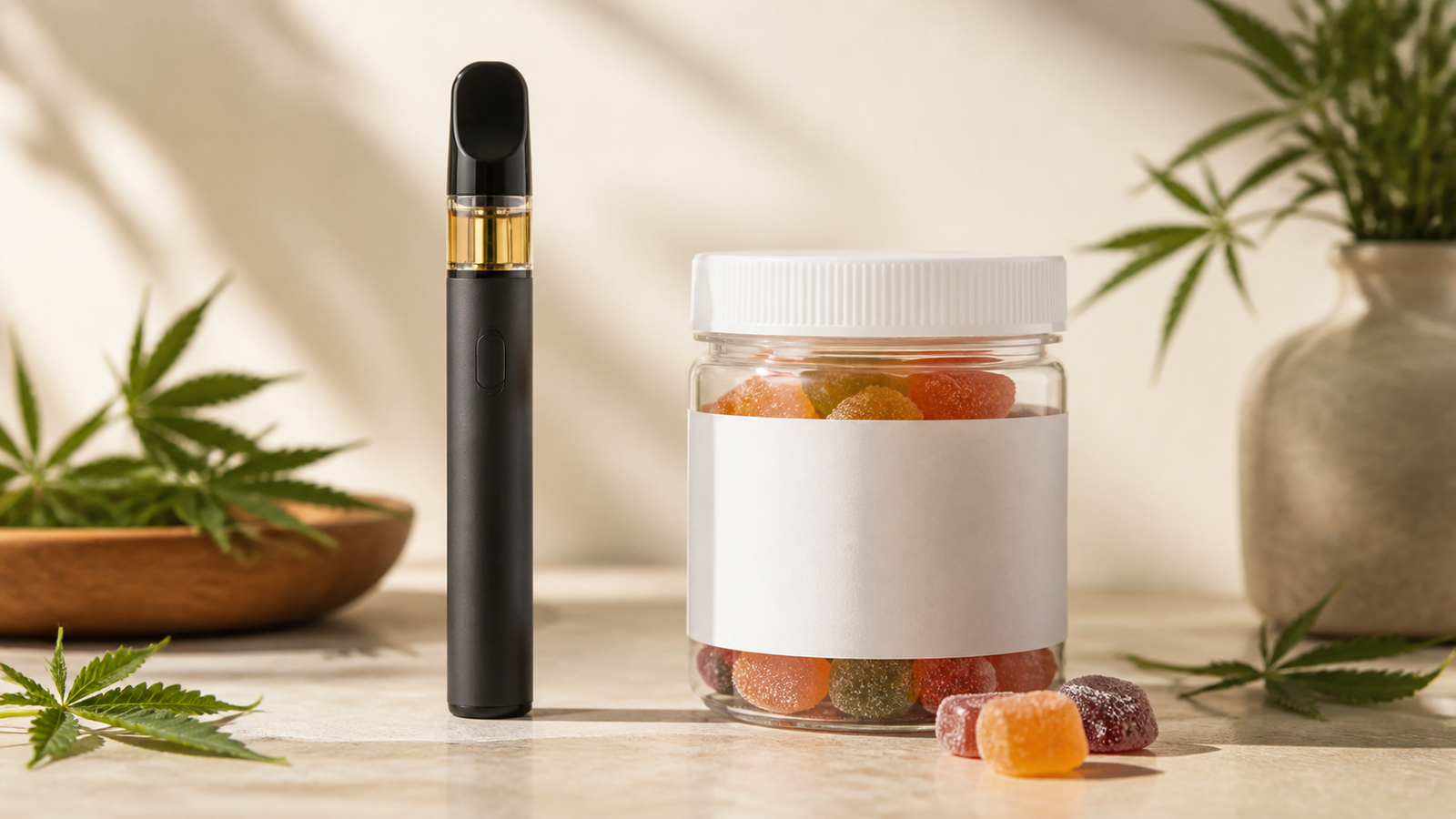
The search CBD vapes vs gummies is usually a shopping comparison. A vape may involve a device, cartridge, battery, and inhalation-related product information, while a gummy is a food-like chew with sweeteners, flavors, and a per-piece cannabinoid amount. The right comparison starts with the evidence on the package rather than a broad claim about speed, strength, or effect.
CBD vapes vs gummies at a glance
- Vapes: may include a cartridge or disposable device, extract, carrier ingredients, hardware information, and battery or storage instructions.
- Gummies: may include CBD extract, sweeteners, flavors, colors, pectin or gelatin, and a stated amount per piece.
- Both: should identify the product, cannabinoid amount, ingredients, batch or lot code, and testing access.
Do not compare a number printed on a vape package with a gummy number without checking the unit. A vape may list total oil or total cannabinoids, while a gummy may list CBD per piece and per container. Record the format, amount, number of servings, and other cannabinoids.
Read the CBD vape ingredients guide and CBD gummy ingredient guide before comparing.
How to compare the label
Find the exact CBD amount and determine whether it means CBD, total extract, or total cannabinoids. Check the bottle or package size and the labeled serving definition. If a gummy jar contains 30 pieces, one serving might be one piece or more than one piece. If a vape lists 1 mL, that is product volume, not automatically a CBD amount.
Review THC information carefully. “Hemp-derived” does not by itself answer whether THC is present, nor whether the product can be shipped to a particular destination. Check the label, the report, and current seller rules.
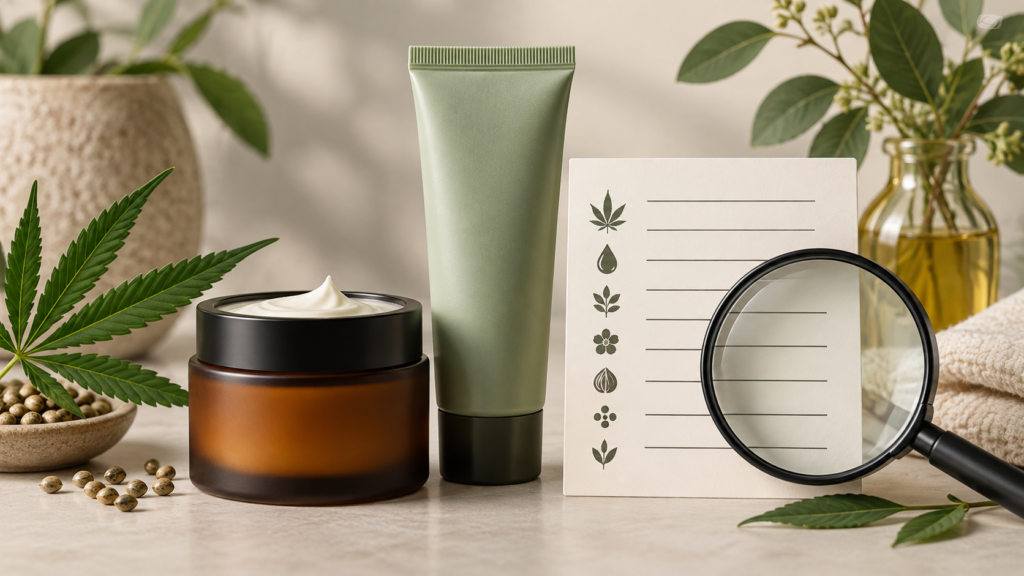
Read the complete ingredient list. Vapes require attention to the extract, carrier, flavoring, device, and any hardware warnings. Gummies require attention to sugar, sweeteners, gelatin, pectin, flavors, colors, and allergens. A familiar format does not remove the need to inspect the ingredients.
How to verify both formats with a COA
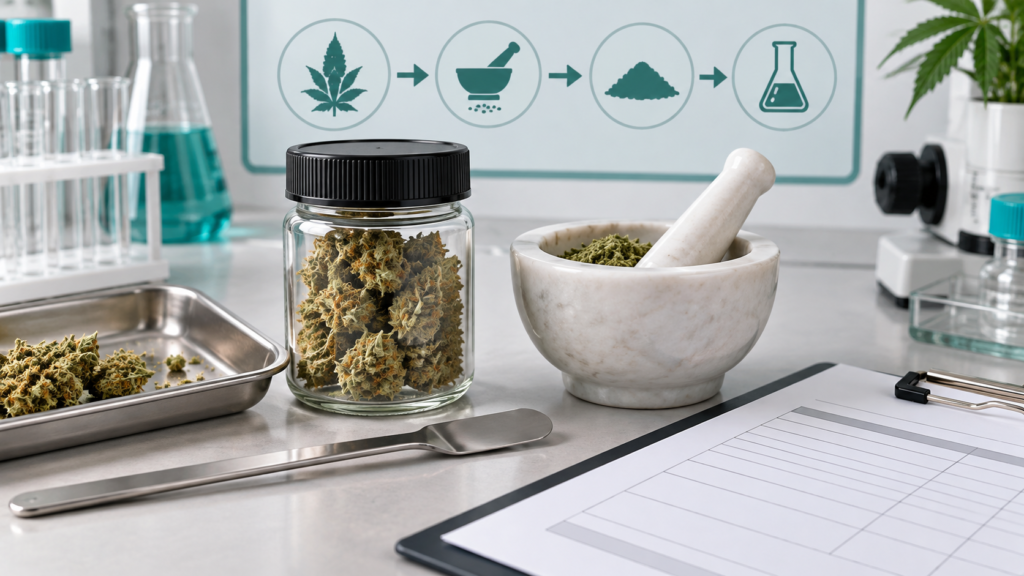
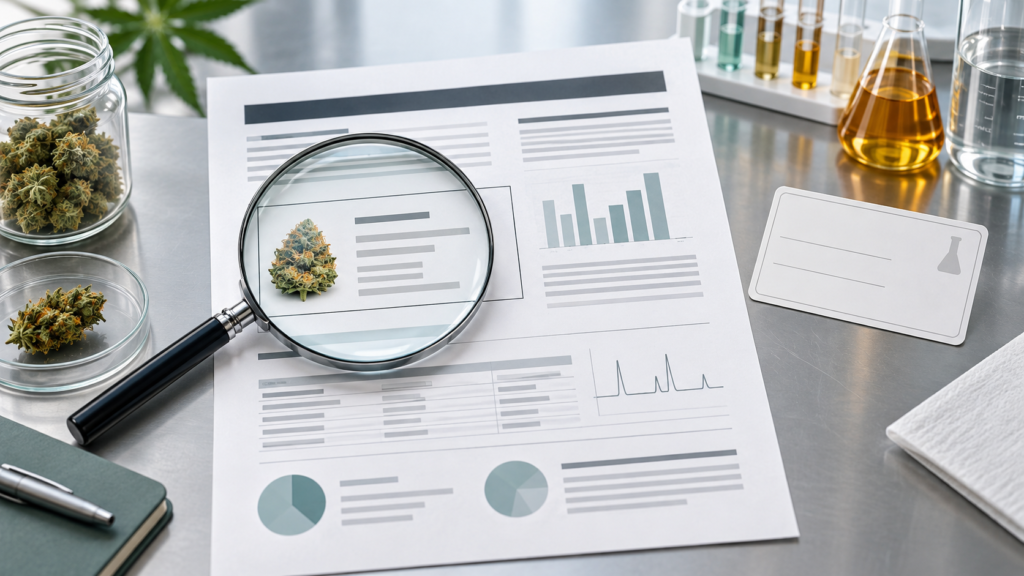
A certificate of analysis can support a claim about a tested sample when it identifies the laboratory, report date, sample date, product description, batch code, units, and relevant panels. Confirm that the report describes the finished vape or gummy, not merely a raw extract.
- Photograph the package and record its batch number.
- Open the seller’s current testing page.
- Match the code exactly.
- Confirm product format and formula.
- Compare CBD and THC units.
- Review reporting limits and relevant contaminant panels.
- Save the report with the order record.
Use the COA reading guide and batch checklist. A report does not prove every future batch or an individual response.
Hardware and package checks for vapes
For a vape, inspect the cartridge or disposable device for leaks, cracks, loose components, damaged seals, or unclear product identity. Keep it in original packaging and follow the seller’s handling directions. Do not repair, refill, disassemble, or use a damaged device while waiting for support.
The CDC discusses risks associated with cannabis products and vaping in its FAQ and health-effects information. This article does not provide inhalation instructions, medical advice, or a promise of safety.
Ingredient and storage checks for gummies
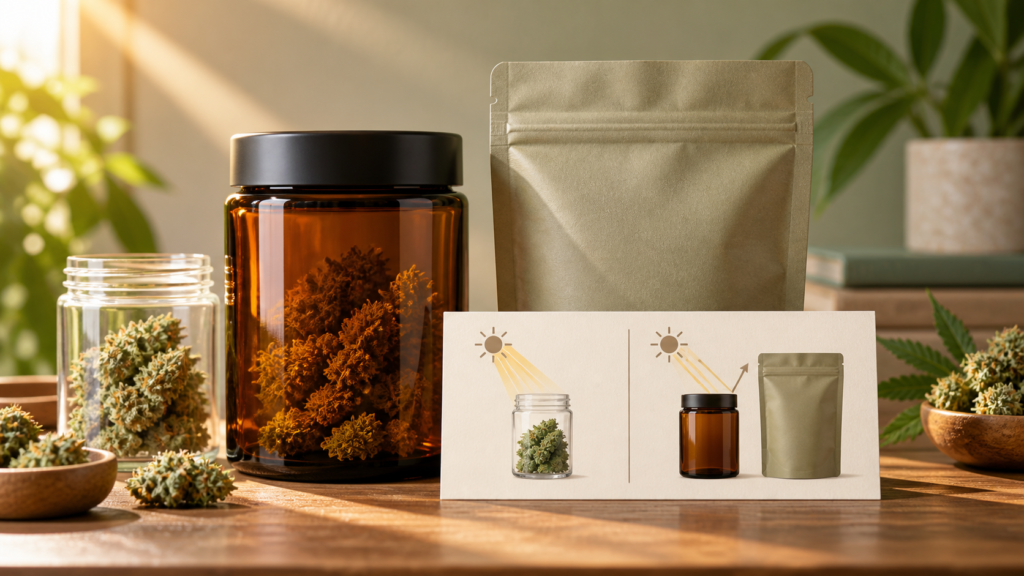
Keep gummies in the original labeled container and follow storage directions. Review sweeteners, allergens, flavors, colors, gelatin or pectin, and any other listed ingredients. If the seal is broken or the jar is damaged on arrival, photograph it and contact the seller before opening or using it. The return-policy guide explains useful records.
Evidence and compliance boundaries
The FDA says many retail CBD products have not been evaluated as general medicines and that safety, quality, and labeling questions remain. Review the FDA consumer update and approval facts. Avoid claims that either format treats, cures, prevents, or diagnoses a condition.
CBD vapes vs gummies checklist
- Is the CBD amount separate from total extract?
- Are servings and units clear?
- Are THC and other cannabinoids identified?
- Does the batch match a current COA?
- Are vape hardware or gummy ingredients disclosed?
- Are package and storage directions clear?
- Are shipping and regional restrictions stated?
- Does the copy avoid guaranteed effects?
Review shipping information and regional availability before checkout.
How to compare value without overreading the number
Calculate the labeled CBD per piece, serving, or milliliter only after confirming the unit. A vape may report total liquid volume, while a gummy may report CBD per piece. A lower printed price or higher printed number is not automatically better value if the product description is incomplete or the batch cannot be verified.
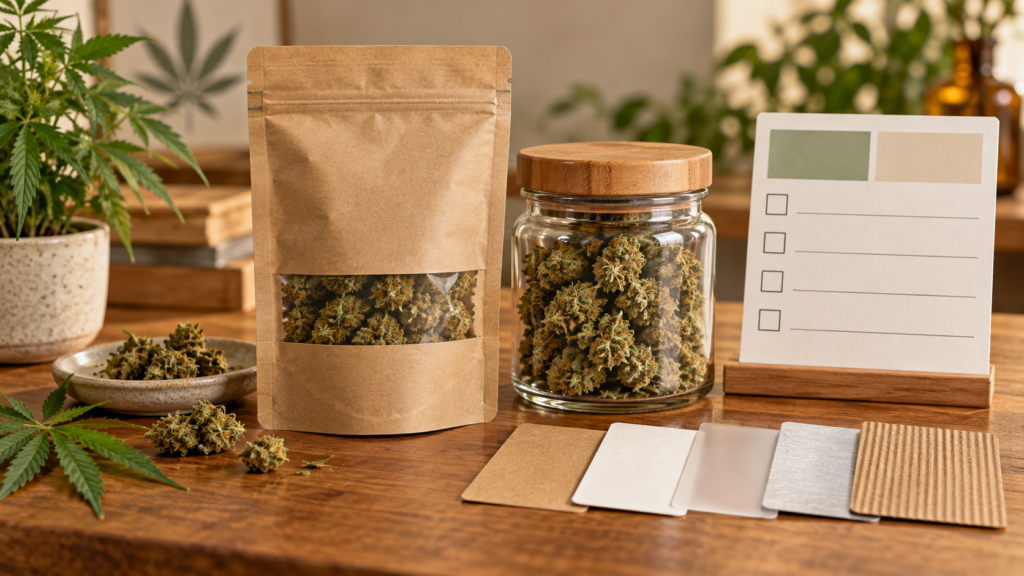
Record the product format, net contents, total CBD, serving count, THC result, ingredients, batch code, COA date, and seller policies. Compare the same fields across both products. This worksheet keeps a visual package claim from replacing the information you actually need.
Questions to ask before buying
- Does the amount refer to CBD or total extract?
- What is one labeled serving?
- Does the COA cover the finished product?
- What ingredients are in the vape or gummy?
- What happens if the package arrives damaged?
- Which destinations are excluded?
Save answers with the order record. If a formula, package, or destination changes, repeat the comparison rather than relying on an old screenshot.
Separate preference from evidence
Some adults prefer a flavored chew, while others prefer a liquid or device format. That is a personal shopping preference, not proof that one format is medically stronger or safer. The FDA and CDC explain that cannabis-derived products have important evidence and safety boundaries. Keep marketing language, product facts, and personal health questions in separate categories.
What to do when a package is unclear
If the vape or gummy package does not state a batch, amount, ingredient list, or THC information clearly, photograph it and ask the seller for the exact product record. Do not remove labels, transfer contents, refill hardware, or throw away the package while a question is open. A specific question such as “Does this report cover this finished batch?” is more useful than asking whether the product is generally safe.
If a package arrives damaged, keep the box and take photos before opening it. Use the seller’s official support route and follow its return instructions. This protects traceability and avoids mixing a routine shipping claim with a product-information question.
Compare claims, not just formats
A product page may describe a vape as convenient or a gummy as enjoyable, but those words are not evidence of a cannabinoid amount or a health outcome. Separate the format preference from the verified product facts. Ask whether the product contains CBD as stated, whether the batch report matches, whether THC is disclosed, and whether the seller can explain its units.
If you are sensitive to flavors, oils, sweeteners, or device ingredients, read the exact formula. If workplace or travel rules matter, do not rely on a broad “hemp” statement; review the current THC information and destination guidance. The CDC and FDA provide public information, but this article cannot make a personal legal or medical determination.
Write down what you know and what you do not know. A product with a clear label, accessible report, working support route, and specific shipping policy is easier to evaluate than one that asks the shopper to infer important facts.
Keep the comparison factual: product format, amount, units, ingredients, batch match, report date, packaging condition, and destination policy. Do not turn those fields into an individual health recommendation. If any field is missing, ask for clarification or choose a listing with better traceability.
That record also helps when an order arrives with different packaging or a changed batch. Preserve the original container and use the seller’s official support route.
Verify before buying, and keep the comparison limited to what the evidence shows.
Clear evidence supports a calmer buying decision.
When a detail cannot be verified, pause and ask for the current document.
A good record names the format, unit, ingredients, batch, report, and destination. That is enough to explain your comparison without making a promise about effects.
Frequently asked questions
Are vapes stronger than gummies?
There is no universal comparison. Check the exact product, units, ingredients, and evidence.
Do CBD gummies contain THC?
Some products may contain THC or report a non-detectable result. Read the label and batch report.
Are CBD vapes safe for everyone?
This article cannot make that determination or provide medical advice. Review official health information and consult a qualified professional for personal questions.
Can I ship both formats anywhere?
Do not assume so. Check current product and destination rules.
Conclusion
CBD vapes vs gummies is a format and evidence comparison. Normalize the units, inspect ingredients, match the batch to a COA, check package condition, and review current shipping information. Choose the product whose details are clear enough for your own criteria.
Editorial note: Herbxmind publishes adult-use consumer education. This article is not medical or legal advice; formulas, reports, and rules can change.