

Quick answer: If you suspect a cannabis product recall, stop using the product, keep the package and batch code, compare the notice with the exact product, and contact the seller or the relevant official agency through a verified channel. Do not rely on a product name alone: recall notices often depend on lot, batch, date, product format, and destination.
A cannabis product recall checklist helps an adult shopper respond calmly when a seller, agency, lab, carrier, or news report raises a product concern. A recall is not the same as a vague social-media rumor, and a notice may apply only to specific units. The goal is to preserve traceability, avoid further use while the facts are checked, and follow the current instructions from an authoritative source.
First steps when you see a recall notice
- Stop using the product until the notice is understood.
- Move it away from children and pets without opening or transferring it.
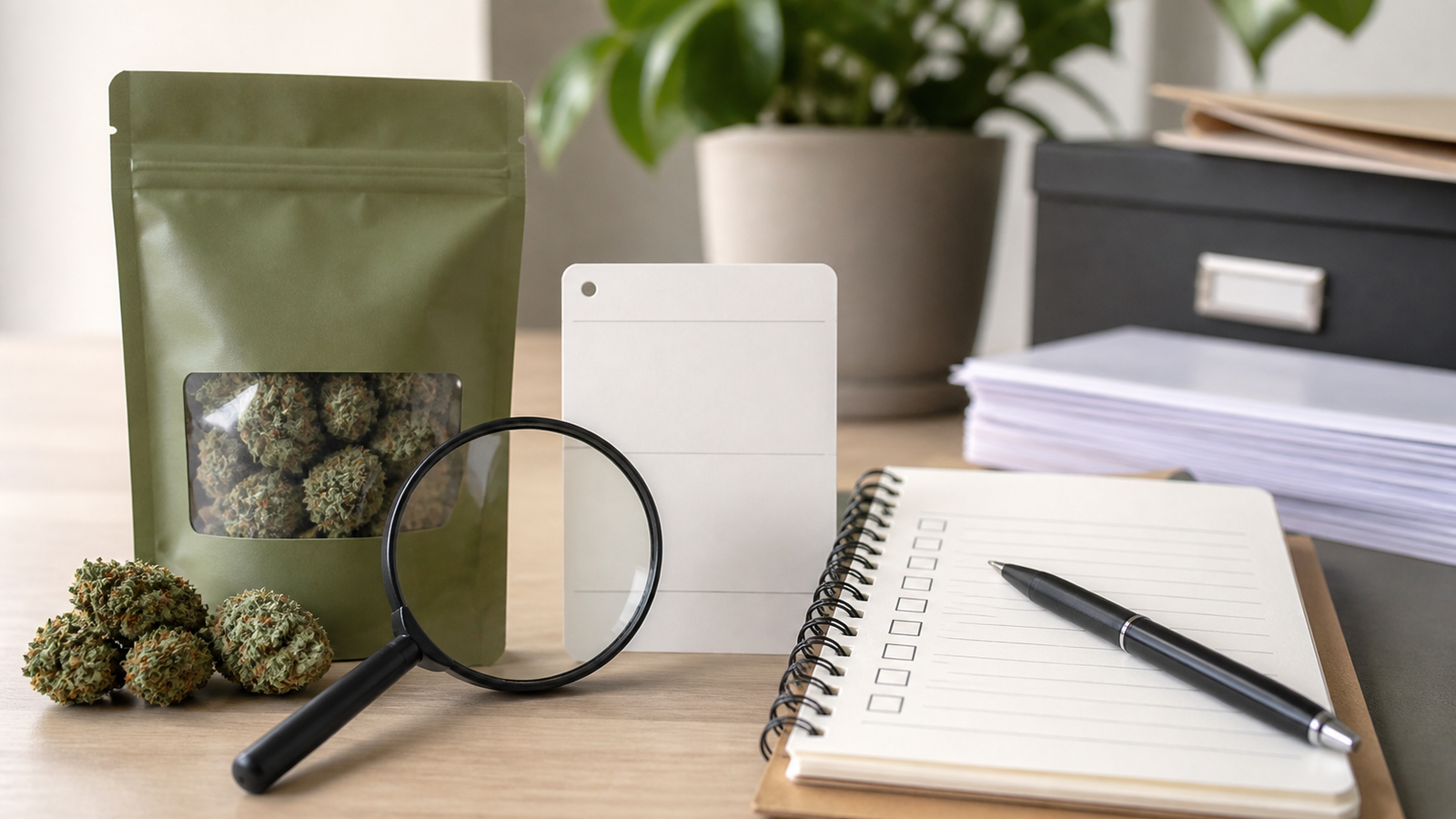
- Keep the original bottle, carton, seal, and shipping materials.
- Photograph the product name, batch code, lot number, date, and seller.
- Find the notice on the seller’s official page or an agency website.
- Compare every identifier, not just the product name.
- Contact support for disposal, refund, replacement, or return instructions.
Do not throw away the package before recording the identifying information. Do not mail it anywhere unless the seller or official notice gives verified instructions. If the package is leaking, damaged, or appears tampered with, avoid direct contact and follow local safety guidance.
How to match a notice to your product
Check the product category, brand or seller, package size, cannabinoid description, batch or lot number, production or expiration date, and distribution region. A recall may concern a particular batch while other batches remain outside the notice. Conversely, a similar product name does not prove that your item is unaffected.
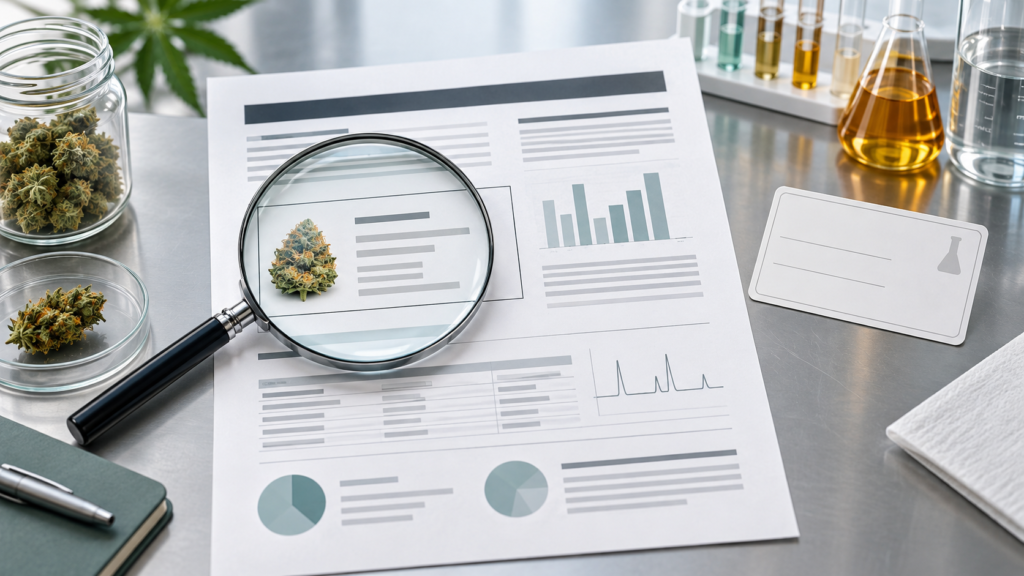
Use the batch-number guide and COA reading guide to locate the relevant fields. A COA can help identify a tested sample, but a product-safety notice or official recall instruction takes priority. Do not use a COA to argue that an official notice does not apply unless the issuing source confirms the distinction.
Save the notice URL, date accessed, and a screenshot. Notices can be updated. If the seller’s page is unavailable, contact support through the official website rather than clicking an unexpected message link.
Where recall information may appear
Information may appear on a seller’s recall or support page, a state regulator’s site, an official public-health notice, a carrier notice, or a payment and marketplace alert. The appropriate authority depends on the product, location, and reason for the notice. The FDA explains that cannabis-derived products are subject to a changing regulatory landscape and that many CBD products have not been evaluated as general medicines; read its consumer update and regulation overview.
Do not treat a seller’s “third-party tested” statement as a recall database. Testing evidence and recall instructions answer different questions. The third-party testing guide explains why a testing claim still needs batch matching.
What to ask the seller
- Does the notice apply to my exact batch or lot?
- Should I stop use immediately?
- Should the product be returned, isolated, or disposed of?
- Will the seller provide a refund, replacement, or store credit?
- What evidence or order information is needed?
- Is return shipping authorized and prepaid?
- Will the seller notify customers if the notice changes?
- What official source supports the instruction?
Use the contact page and include only the information requested. Keep your order number, purchase date, batch code, photos, and support correspondence. Do not invent a health or safety conclusion in the first message; report observable facts.
Health and safety boundaries
A recall notice may concern labeling, contamination, packaging, a missing component, an unauthorized ingredient, or another issue. The notice should define the concern and response. Do not diagnose yourself from a product alert, and do not assume that absence of symptoms proves there is no risk.
The CDC provides general cannabis public-health information in its FAQ and health-effects overview. For an exposure, symptom, medication, pregnancy, or child-safety question, contact an appropriate healthcare or poison-information professional. This article does not diagnose, treat, cure, prevent, or guarantee an outcome.
What not to do during a recall
- Do not keep using the product while waiting for an answer.
- Do not transfer it to a new container.
- Do not alter or remove the label.
- Do not send personal documents to an unverified address.
- Do not post a batch code as if it were proof that every unit is affected.
- Do not promise others that their product is safe or unsafe based on a similar name.
- Do not claim a refund or official determination before it is confirmed.
Recall checklist for future purchases
Keep a simple purchase record with the product name, seller, order date, batch code, label photo, COA URL, and support contact. Check the package when it arrives and store it in the original container. Review the seller’s return policy and shipping policy so you know how a product issue will be handled.
When buying a new product, prioritize clear batch identification and accessible reports. A transparent system does not eliminate risk, but it makes a product easier to trace if the seller updates a notice. Current product and regional rules may change, so also check regional availability.
How to document a recall response
Create one folder or note for the affected order. Include the notice URL, date accessed, product and batch photos, order confirmation, seller contact, and any return or disposal instructions. Keep a short timeline of messages and responses. Do not add unnecessary identity documents or payment data. A clean record helps you distinguish what was officially stated from what you inferred.
If a notice is updated, save the new version separately and note the change. If the seller says your batch is outside the scope, keep that response with the product record. If the seller cannot confirm the scope, continue to isolate the product and seek information from the issuing source. Do not pressure support for an answer that the notice itself does not provide.
When the matter is resolved, record whether the product was returned, replaced, refunded, or disposed of. Retain the batch information long enough to answer a later follow-up. Never relabel the product or pass it to another person while the status is uncertain.
How to separate a recall from a routine return
A routine return concerns preference, damage, or an order mistake under the seller’s policy. A recall concerns a specific product issue and may require isolation, special handling, or an official response. Tell support that you are asking about a potential recall and provide the batch code. Do not describe a possible recall only as “I changed my mind,” because the correct process may be different.
Keep communications factual and avoid repeating an unverified claim publicly. If the seller’s explanation conflicts with an official notice, save both records and ask which instruction controls. A calm, traceable response is more useful than guessing whether every package with a similar name is involved.
When the facts are incomplete, the safest publishing and buying language is also the simplest: pause, preserve the label, and verify the source.
Record the final instruction and the date it was given so the response remains understandable later.
If the outcome is a refund or replacement, retain the original order record and the new confirmation. Do not treat a replacement as proof that the original notice was unimportant; it is simply the seller’s documented remedy.
Keep the response factual and traceable until the notice is closed.
A short dated log is enough; it does not need to contain unnecessary personal information.
Save the official notice with that log.
Keep it available for future support questions.
Use the same batch identifier in every message so the seller can follow the case without guessing.
Frequently asked questions
What if I cannot find my batch number?
Keep the package and contact the seller. The order number, product photo, date, and shipping record may help identify the unit. Do not guess the batch.
Can I return a recalled product?
Follow the notice and seller instructions. Do not mail a product to an old address or return it without authorization.
Is every product with the same name recalled?
Not necessarily. Match the exact identifiers and read the scope of the notice. If unclear, pause use and ask the issuing seller or agency.
Does a COA prove my product is safe?
No. A COA describes a tested sample and selected panels. It does not override an official recall notice or establish every safety question.
Conclusion
A cannabis product recall checklist is mostly a traceability routine: stop, preserve the package, match the batch, verify the notice, contact the seller, and follow authoritative instructions. Keep records and avoid public guesses. A careful response protects your own decision-making and helps the seller or regulator identify the correct product scope.
Editorial note: Herbxmind publishes adult-use consumer education. This article is not medical or legal advice. Recall notices, product formulas, and regulations can change; verify the current notice and official instructions before acting.