

Quick answer: Hemp seed oil and CBD oil are different products. Hemp seed oil is made from hemp seeds and is commonly used as a culinary or cosmetic carrier ingredient, while CBD oil is marketed around cannabidiol from hemp extract. A product name alone is not enough: check the ingredient list, declared CBD amount, batch report, THC information, and seller policies.
People searching for hemp seed oil vs CBD oil often see the terms used close together on a bottle or product page. That can create an expensive misunderstanding: “hemp” does not automatically mean CBD. This guide explains the practical label, COA, ingredient, and buying checks an adult shopper can use without turning product education into a medical or legal claim.
Hemp seed oil vs CBD oil at a glance
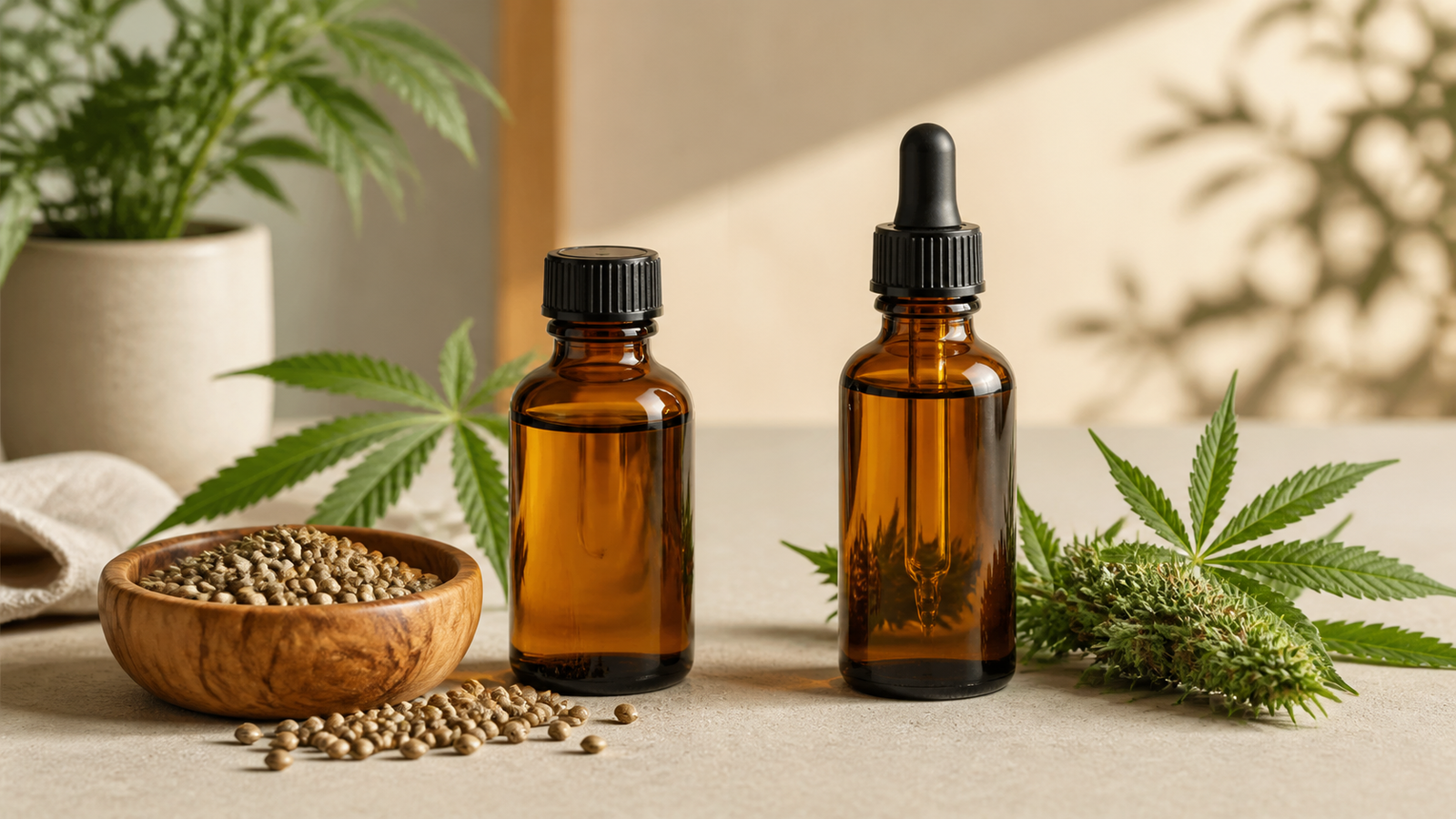
- Hemp seed oil: comes from hemp seeds and is commonly listed as a carrier oil, food ingredient, or cosmetic ingredient.
- CBD oil: generally combines a CBD-containing hemp extract or CBD isolate with a carrier oil and other ingredients.
- Both: can appear in tinctures, cosmetics, foods, or personal-care products, so read the finished product label.
Hemp seed oil can be present in a CBD product without being the source of its CBD. Conversely, a product can contain hemp seed oil and no meaningful CBD at all. The front label may use “hemp” as a broad botanical reference, while the ingredient panel gives the more specific information.
Start with the CBD oil label checklist and compare the CBD topical ingredients guide if the product is a balm, cream, or lotion.
How to read the ingredient list
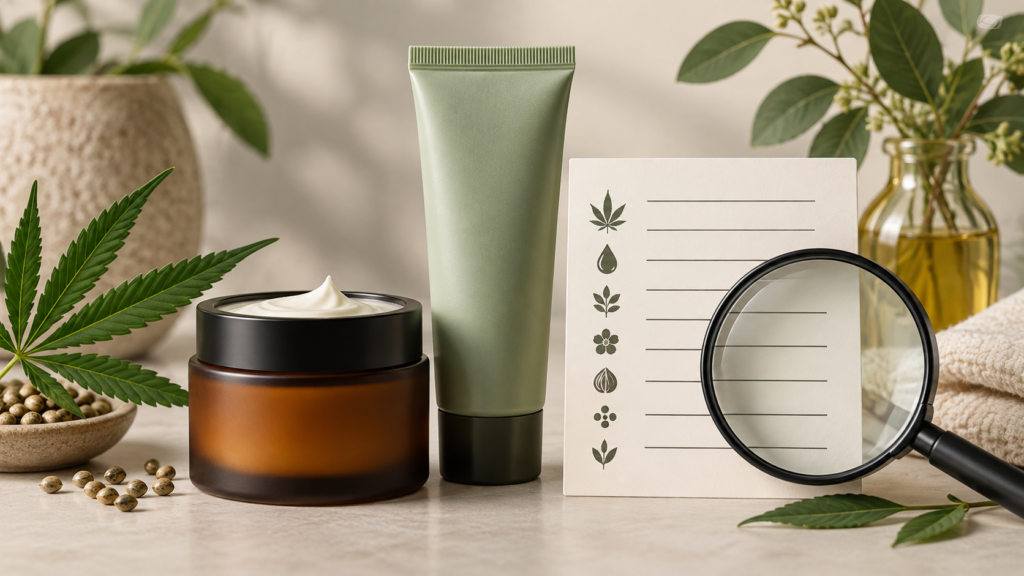
Find the exact terms used in the ingredient panel. “Hemp seed oil,” “Cannabis sativa seed oil,” “hemp extract,” “CBD,” “cannabidiol,” and “full-spectrum extract” do not all communicate the same thing. Then check whether the label gives total CBD, total cannabinoids, total hemp extract, or no cannabinoid amount.
Look at the serving or application information, container size, seller identity, batch code, storage directions, and date information. A product that says “hemp oil” without a CBD amount should not be treated as a CBD product simply because the package has a hemp leaf image.
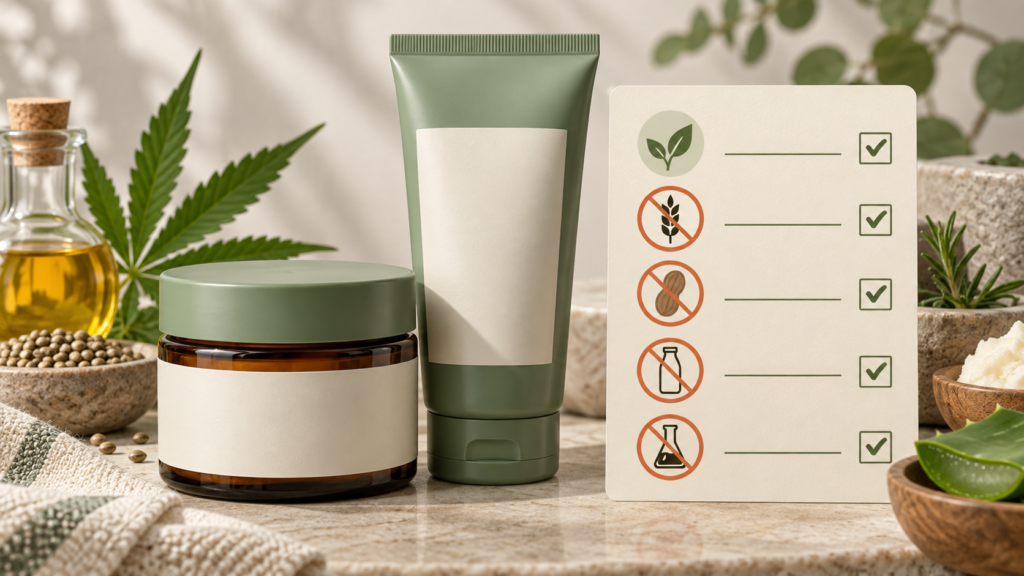
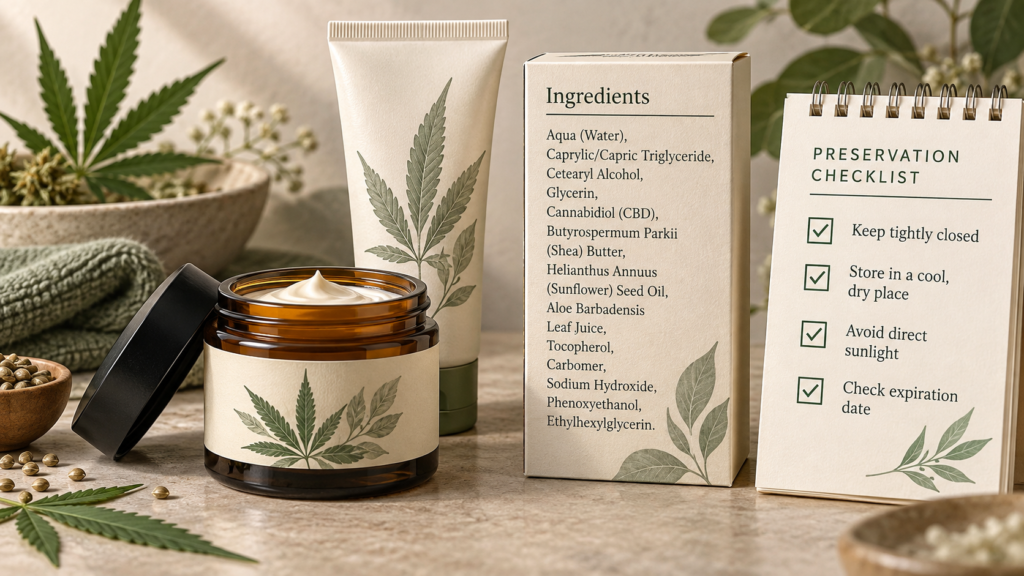
Carrier oil matters for comparison, but it does not establish the cannabinoid profile. A CBD tincture may use hemp seed oil, MCT oil, olive oil, or another carrier. A topical may use seed oil alongside waxes, butters, water, botanicals, fragrance, and preservatives. Read the full list rather than assuming a carrier determines quality.
How to verify CBD with a COA
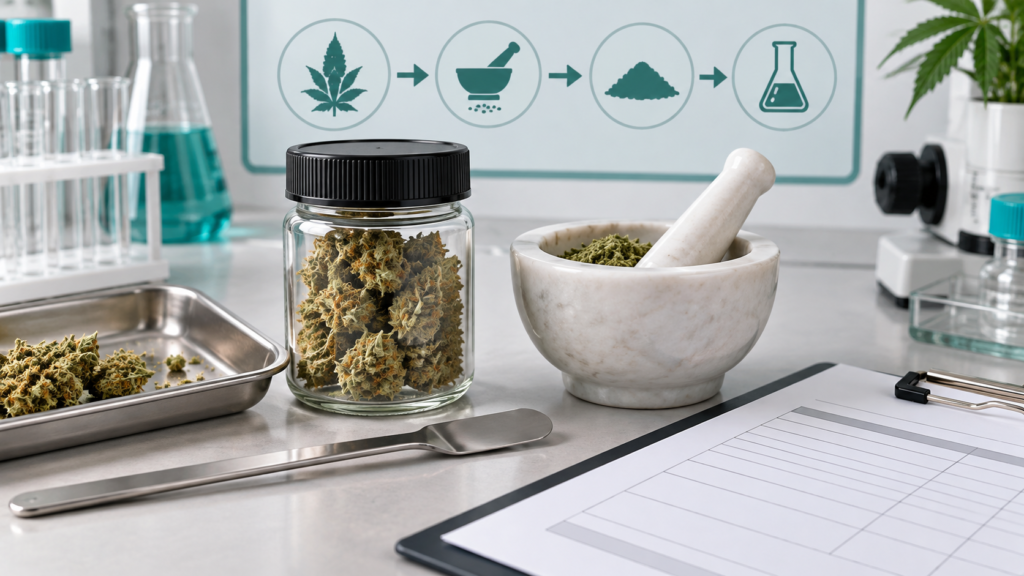
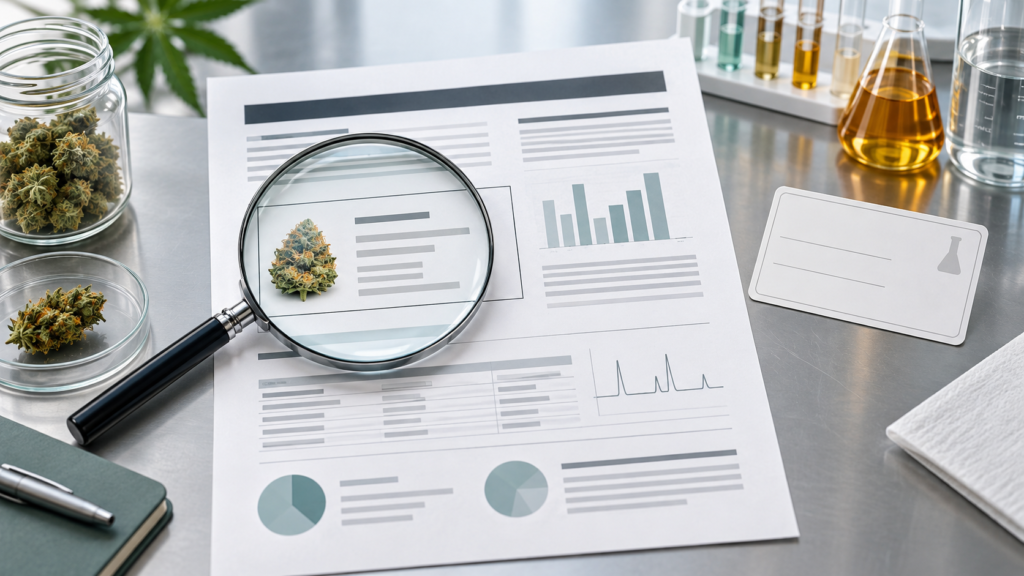
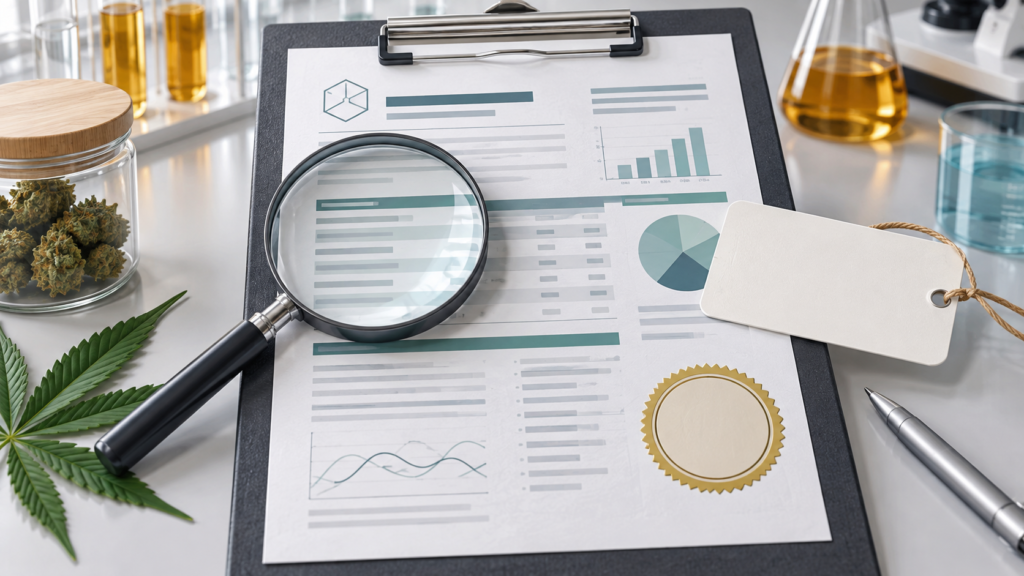
A certificate of analysis can help confirm the cannabinoid content of a tested sample. Check the laboratory identity, report date, sample date, product description, batch code, units, and relevant panels. A generic report or a report for raw extract may not verify the finished bottle.
- Photograph the product label and record the lot or batch code.
- Find the seller’s current testing page or request the report.
- Match the code exactly.
- Confirm that the report describes the same format and formulation.
- Compare CBD and THC results with the label’s units.
- Review the reporting limit and any relevant contaminant panels.
- Save the report with the purchase record.
Use the COA reading guide and batch-matching checklist. A COA describes the submitted sample and method; it does not prove every future container, medical claim, or individual response.
Why the distinction matters for shoppers
If you are shopping for a food, cosmetic, or carrier ingredient, hemp seed oil may be exactly what the label describes. If you are shopping for a cannabinoid product, you need a clear CBD or cannabinoid statement and evidence tied to the finished product. Confusing the two can make you compare the wrong products, expect a cannabinoid amount that is not present, or overlook a THC statement.
The FDA explains that many retail CBD products have not been evaluated as general medicines and that safety, quality, and labeling questions remain. Read the FDA consumer update and FDA regulation overview. Do not rely on product copy that promises treatment, cure, prevention, or diagnosis.
For general cannabis context, consult the CDC FAQ. Personal medication, pregnancy, allergy, or health questions belong with a qualified professional.
Hemp seed oil vs CBD oil buying checklist
- Does the label identify seed oil, hemp extract, CBD, or a combination?
- Is the CBD amount separated from total hemp extract?
- Are container and serving units clear?
- Is THC information present when relevant?
- Does the batch code match a current COA?
- Does the report cover the finished product?
- Are carrier, flavor, fragrance, and allergen ingredients listed?
- Does the copy avoid medical guarantees?
- Are shipping and regional eligibility pages accessible?
Review shipping information and regional availability before ordering.
Common label mistakes to avoid
The first mistake is treating a hemp leaf graphic as a cannabinoid statement. Graphics can communicate a plant theme, but they do not tell you whether CBD is present or how much is present. The second mistake is treating “hemp oil” as a single standardized ingredient. Ask whether the seller means seed oil, extract, isolate, or a finished blend.
The third mistake is comparing a product by container weight alone. Two bottles can have identical net contents but different declared CBD amounts, serving units, and carrier oils. Compare the information that answers your actual question. If your question is “Does this contain CBD?” find the CBD amount and COA. If your question is “Which carrier is used?” read the ingredient panel.
Questions to ask customer support
- Is the listed hemp seed oil separate from the CBD extract?
- What is the total CBD in the finished container?
- Does the current COA match the finished batch?
- What does the product’s THC statement mean in laboratory units?
- Where are formula changes and new reports posted?
Keep the answers with the product page and order record. A clear response should identify the exact product instead of making a broad claim about all hemp products. If the seller cannot explain its terminology, pause before purchasing.
Frequently overlooked details
Check whether the product is intended as a food, cosmetic, or adult-use cannabinoid item, because the label language and relevant policies may differ. Check for allergens and storage instructions even when your primary interest is CBD. A carrier ingredient may be important to your own preference, while a batch code is important to traceability.
A practical comparison worksheet
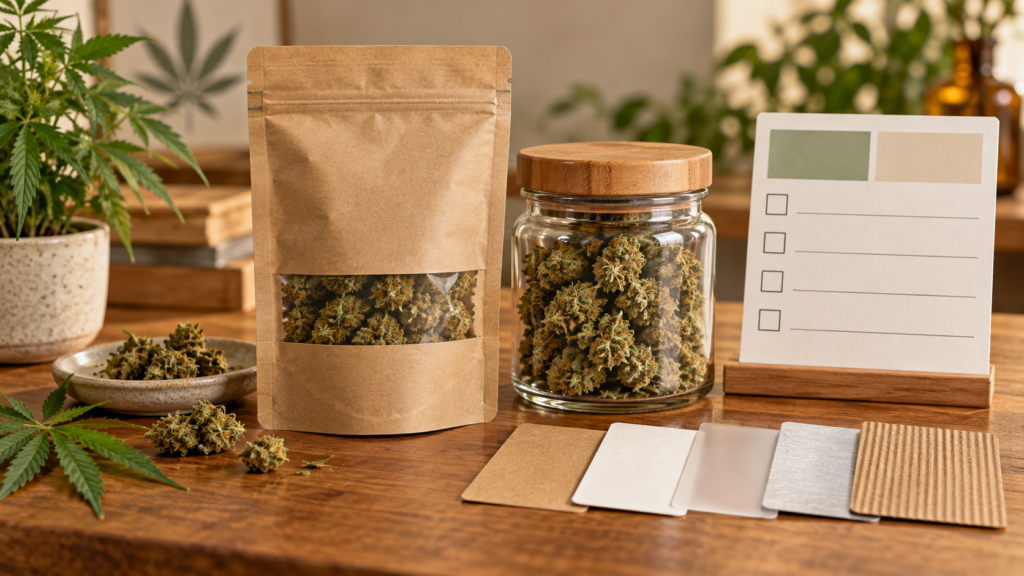
Make five columns: product identity, CBD amount, other cannabinoids, ingredients, and evidence. Under product identity, write the exact format and container size. Under CBD, write the number and unit. Under other cannabinoids, record THC and any CBG or CBC statement. Under ingredients, copy the carrier and notable additives. Under evidence, record the batch, report date, and support answer.
This worksheet prevents the common error of comparing hemp seed oil with CBD oil as if they were interchangeable. It also gives you a clear reason to reject a listing that does not provide enough information. The goal is not to make a medical judgment; it is to buy the product the label actually describes.
Repeat the worksheet when the product format, flavor, batch, or seller changes. A familiar name is not enough to establish an identical formula.
When information remains unclear, choose a product with a more complete label rather than filling gaps with assumptions.
What a transparent product page looks like
A useful page identifies the product format, exact ingredients, total CBD if claimed, batch or lot process, testing access, storage instructions, age requirements, shipping limits, and support route. It does not make the visitor infer cannabinoid content from a plant graphic. It also explains whether the current COA covers the finished product. This level of detail makes the hemp seed oil versus CBD oil distinction easier to apply.
Keep the comparison focused on what the product actually declares and what the report verifies.
If the page does not distinguish seed oil from extract, ask before ordering and keep the answer with your records.
Frequently asked questions
Does hemp seed oil contain CBD?
Hemp seed oil is not the same as a CBD extract. Read the finished label and report rather than inferring CBD content from the word hemp.
Can hemp seed oil be used as a CBD carrier?
It may be used as an ingredient in a product marketed with CBD, but the label should identify the cannabinoid separately and provide an amount or report.
Is CBD oil always made with hemp seed oil?
No. CBD products can use different carrier oils. The ingredient list tells you which one is present.
Is this comparison medical advice?
No. It is product-label education and does not recommend cannabinoids for a condition.
Conclusion
Hemp seed oil vs CBD oil is a distinction between a seed-derived ingredient and a cannabinoid-focused product description. Read the ingredient list, verify CBD and THC amounts, match the batch to a COA, and review current shipping policies. A clear label helps you choose the product you actually intended to buy.
Editorial note: Herbxmind publishes adult-use consumer education. This article is not medical or legal advice, and formulas and rules can change.