

Quick answer: CBG and CBD are different cannabinoids, so “CBG vs CBD” is a comparison of compounds and product formulations, not a universal better-or-worse decision. Read the exact ingredient list, declared cannabinoid amounts, batch-specific COA, THC information, and seller policies. Avoid treating a label comparison as medical advice or a promise of a particular effect.
Adult shoppers often search CBG vs CBD because a product may highlight one cannabinoid while listing several others in the fine print. A careful comparison starts by separating the compound name from the product format. CBG oil, CBD gummies, a multi-cannabinoid tincture, and a hemp flower product can all require different label and testing checks. This guide focuses on how to understand the information without overreading a marketing claim.
What CBG and CBD have in common
CBD and CBG are cannabinoids associated with hemp and cannabis plants. They are not identical compounds, and a product’s name does not establish the amount present. Both can appear in oils, gummies, capsules, vapes, flower, and other formats. Both should be evaluated through a complete label and a report tied to the specific batch.
Neither “CBG” nor “CBD” is a quality certification. The amount, purity, ingredients, extraction process, and testing scope can vary from one product to another. A bottle with a higher printed number is not automatically a better choice, and a product containing both cannabinoids is not automatically more effective.
Start with the CBD oil label checklist for bottle size and serving-unit math. For the broader extract categories, review the full-spectrum CBD guide and the broad-spectrum versus isolate comparison.
How to read CBG and CBD amounts
Find whether the label reports CBG and CBD per serving, per milliliter, per gram, or per container. Write each unit down before comparing products. A label that says “1,000 mg hemp extract” has not necessarily said that it contains 1,000 mg of CBD or CBG. Total extract, total cannabinoids, and a named cannabinoid are different fields.
For a hypothetical comparison, one bottle may state 600 mg CBD and 100 mg CBG in the full container, while another may state 30 mg CBD per serving without naming CBG. Those labels do not provide equivalent information. Count the labeled servings, check bottle volume, and distinguish declared content from a suggested serving. Arithmetic helps you compare listings; it is not a personal-use plan.
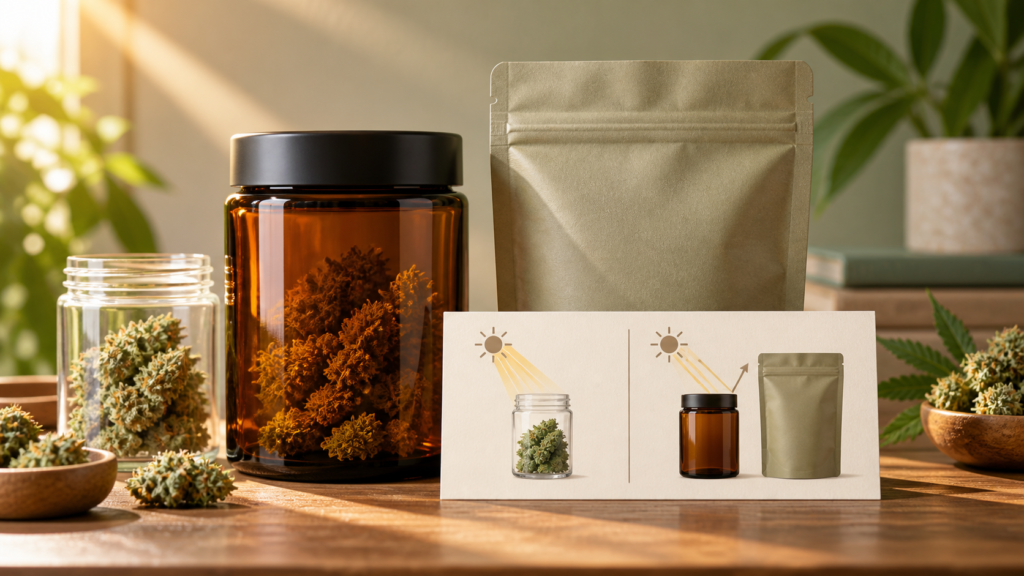
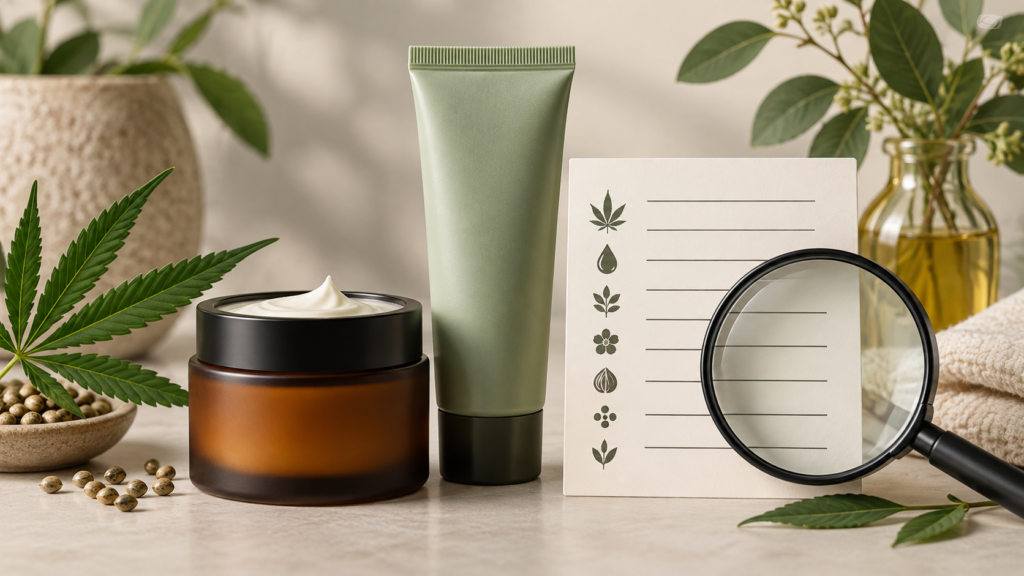
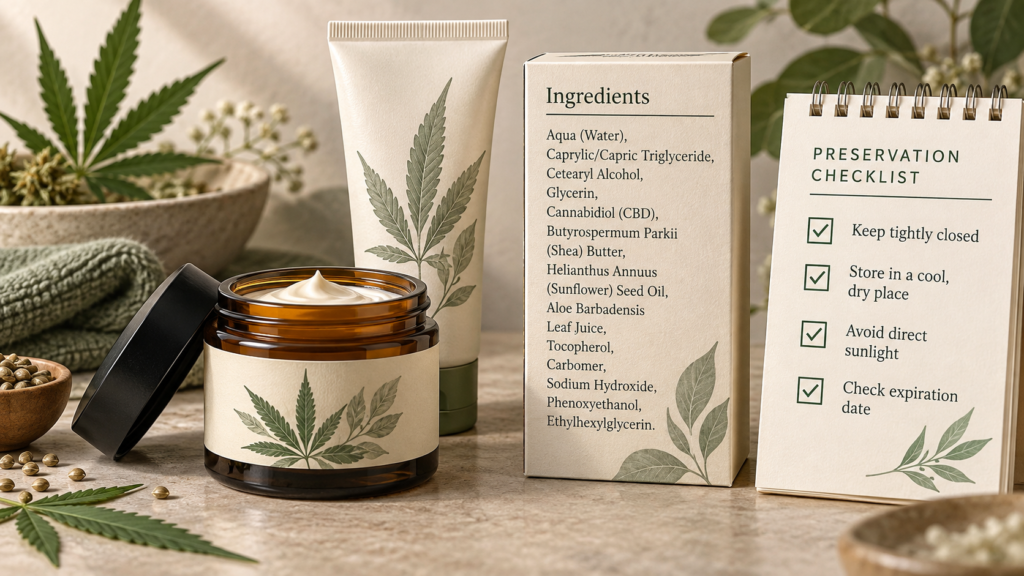
Also read the ingredient list. A CBG or CBD product can contain a carrier oil, flavoring, sweetener, botanical ingredient, or allergen. “Pure cannabinoid” on the front should not make you skip the back panel. Look for a seller or manufacturer identity, batch code, storage guidance, date information, and customer-support route.
How a COA can clarify the comparison
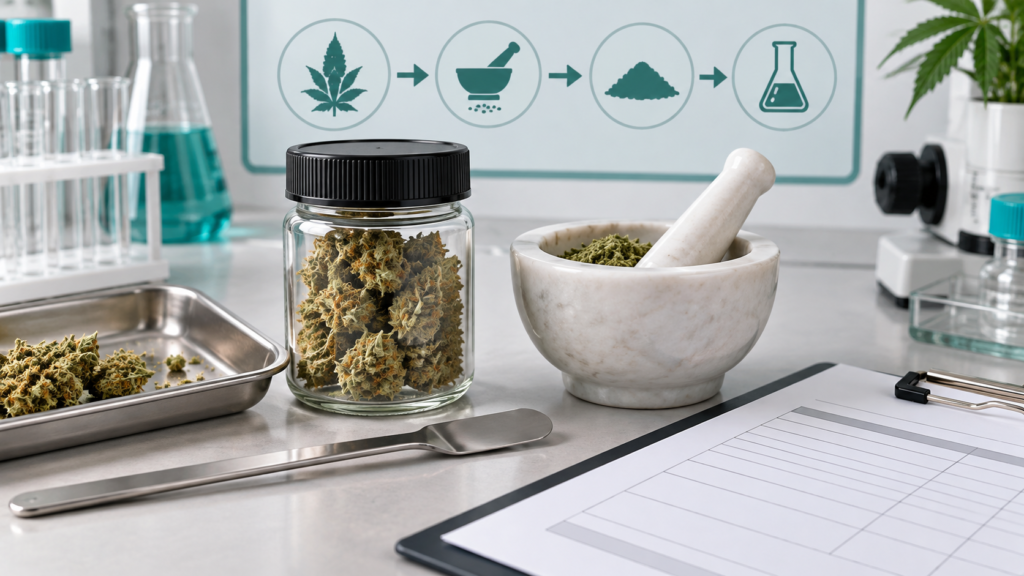
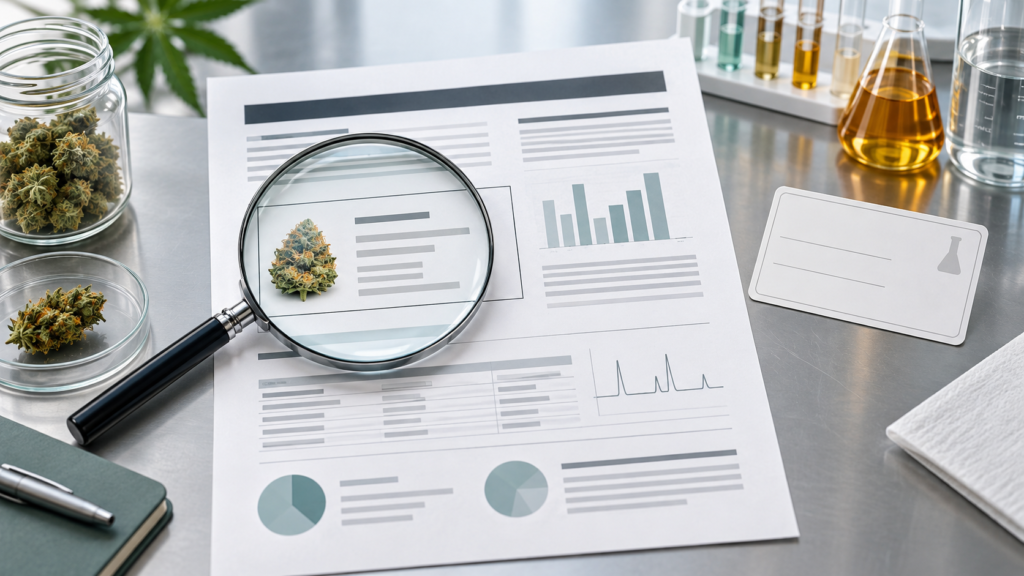
A certificate of analysis can show the reported cannabinoid profile for a submitted sample. Check the laboratory identity, report date, sample date, product description, batch number, units, and relevant test panels. The report should be connected to the product in your hand, not merely a generic image on a landing page.
- Copy the batch or lot code from the package.
- Open the seller’s report page or request the document.
- Match the code exactly, including punctuation.
- Confirm that the product format and formula match.
- Compare CBD and CBG results using the report’s units.
- Review THC results and the laboratory’s reporting limit.
- Save the report with the product page and purchase record.
Use the COA reading guide and batch-matching checklist. A COA is evidence about the tested sample and stated method; it does not prove every marketing statement or every future batch. If the report cannot be matched, treat the product as unverified and ask a specific question before buying.
CBG vs CBD: what a label can and cannot tell you
A label can tell you what the seller declares, how the product is packaged, and how the contents are intended to be described. It may not tell you whether the product is appropriate for a medical condition, whether an individual will experience a particular effect, or whether a broad wellness claim is supported by enough evidence.
The FDA explains that many retail CBD products have not been evaluated or approved as general medicines, and that safety and quality questions remain. Read its consumer update and approval facts. Avoid product copy that says CBG or CBD will treat, cure, prevent, or diagnose a condition.
The CDC provides public-health context for cannabis products in its FAQ and health-effects overview. These sources do not choose a product for an individual. For questions involving medication, pregnancy, age, allergies, or workplace testing, speak with a qualified professional.
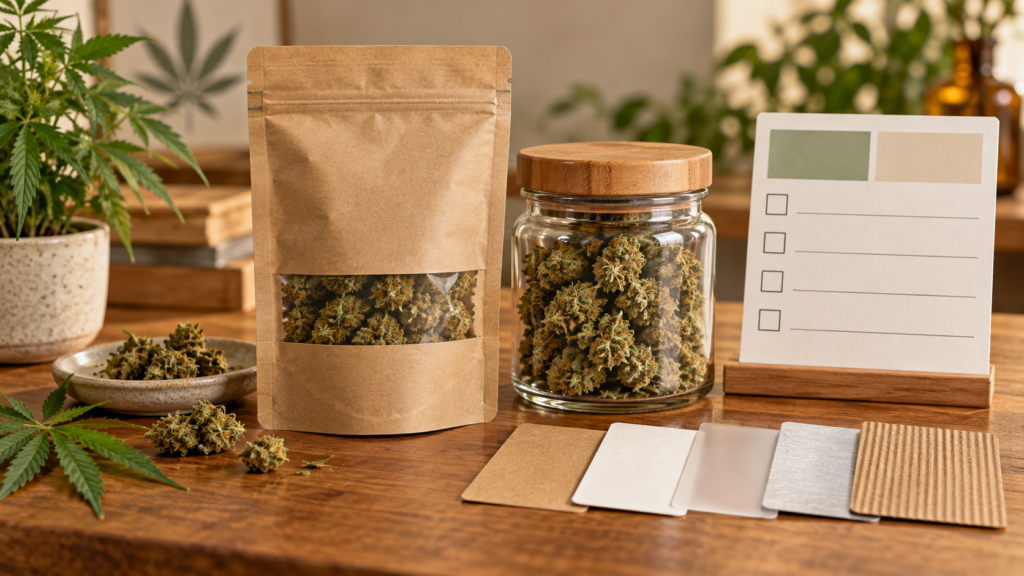
Buying checklist for CBG and CBD products
- Is the named cannabinoid separated from total hemp extract?
- Are CBG and CBD amounts reported with clear units?
- Does the serving calculation match the bottle volume?
- Are THC information and detection language present?
- Does the batch code match a current COA?
- Does the COA show laboratory, date, sample, units, and relevant panels?
- Are carrier ingredients and allergens disclosed?
- Does the copy avoid medical claims and guaranteed effects?
- Are shipping and destination restrictions stated clearly?
Check shipping information and regional availability before ordering. Rules can differ by product and destination and may change.
How to compare a single-cannabinoid and multi-cannabinoid formula
A simple comparison table can prevent confusion. Record the named cannabinoid, total amount, serving volume, bottle size, other cannabinoids, carrier ingredients, and the COA date. Then note what the page does not state. One product may have a detailed CBG result but no clear THC unit; another may list CBD prominently but provide only a total-extract number. These are different information profiles even if both use similar packaging.
Consider the format as well. An oil may use milligrams per milliliter, a gummy may use milligrams per piece, and flower may be reported by weight. Do not compare the printed numbers without normalizing the units. This is a shopping comparison, not an instruction to combine, increase, or change use.
Also keep the evidence boundary visible. A laboratory result can support a claim about a tested sample; it cannot prove that a product will feel the same for every adult. If the seller’s copy turns a compound description into a guaranteed result, treat the claim as a reason to ask for clarification.
Questions to ask before choosing a cannabinoid
Ask what the product actually contains, whether the named amount is for the entire container or a serving, and whether the report covers the finished formula. Ask how the seller handles a changed formulation and where the new COA is posted. If THC avoidance matters, ask for the current detection limit rather than accepting an unexplained “THC-free” phrase.
Keep personal goals separate from product facts. “I want a simple ingredient list” is a shopping preference. “This will fix a condition” is a medical claim that the label cannot establish. That separation makes it easier to evaluate CBG, CBD, or a combination without letting advertising decide what the evidence means.
Finally, record what you verified and what remains unknown. That small habit protects against confusing a familiar cannabinoid name with proof of quality.
A useful note can be short: product format, CBD and CBG units, THC result, batch match, report date, and the question you still need answered. This makes a later reorder easier to audit.
It also makes customer support more efficient. Instead of asking whether a product is generally “good,” ask whether the reported CBG amount is for the finished container and whether the current report matches the printed lot. Specific questions reveal whether the seller has a traceable process.
Keep a copy of the answer with the product record. If the product page later changes, you can see which formulation and report you evaluated at the time of purchase.
Frequently asked questions
Is CBG stronger than CBD?
“Stronger” is not a useful universal label comparison. It could refer to amount, subjective response, marketing language, or a medical claim. Compare the actual formula and evidence instead of assuming that one cannabinoid is superior.
Can a product contain both CBG and CBD?
Yes, some formulations list multiple cannabinoids. Verify the amount of each, the serving units, and the matching COA. A multi-cannabinoid claim does not replace batch testing.
Does CBG contain THC?
CBG itself is a different cannabinoid from THC, but a hemp extract product may contain multiple compounds. Read the finished product’s THC statement and batch report rather than inferring the answer from one compound name.
Can I use CBG or CBD for a health condition?
This article is not medical advice and does not recommend cannabinoids for treatment. Ask a qualified healthcare professional about personal safety and interactions.
Conclusion
CBG vs CBD is most useful as a product-information comparison. Identify the compound, translate the units, inspect ingredients, match the batch to a COA, review THC information, and check destination policies. When a claim goes beyond what the label and report establish, pause and ask for evidence. Transparent buying decisions are built from specific records, not from a single bold cannabinoid word.
Editorial note: Herbxmind publishes adult-use consumer education. This article is not medical or legal advice, and it does not promise a product effect. Formulas, reports, and regulations can change; verify current information before purchase or use.