


Quick answer: Broad-spectrum CBD and CBD isolate are different formulation categories. Broad-spectrum products are generally described as multi-compound hemp extracts marketed without detectable THC, while isolate products center on separated CBD. The label alone cannot prove the exact profile. Compare the ingredient list, stated CBD and THC information, batch number, recent COA, and seller policies before buying.
Searches for broad-spectrum CBD vs isolate usually come from a practical question: which product description is more relevant to a shopper’s preferences? The answer depends on what you need to verify, especially whether avoiding detectable THC is important, whether you prefer a shorter ingredient list, and how much batch evidence the seller provides. Neither term is a universal quality score or a promise of a particular effect.
Broad-spectrum CBD vs isolate at a glance
Broad-spectrum is commonly used for an extract that retains multiple hemp compounds while being processed or selected to remove THC to a stated detection limit. CBD isolate is commonly used for a formulation centered on isolated cannabidiol. Commercial products can vary, so treat these definitions as a starting point.
- Broad-spectrum: may include CBD and minor cannabinoids or aromatic compounds; the product is generally marketed without detectable THC.
- CBD isolate: is centered on CBD as an isolated compound; other ingredients may still be present in the finished product.
- Both: can include a carrier oil, flavoring, or other ingredients and should have product-specific testing information.
For context, review the full-spectrum CBD guide to see how a third category differs. The CBD oil label checklist explains how to translate container size, serving units, and total CBD into a useful comparison.
What the product label should tell you
Start with the exact product name and the extract description. Then find the total CBD amount, serving size, bottle volume, ingredient list, and any stated THC amount or detection language. Do not assume that “hemp,” “THC-free,” or “pure” means the same thing as a laboratory result. A label that says only “hemp extract” has not clearly established how much CBD is present.
Check whether numbers are expressed per serving, per milliliter, per gram, or per container. A 600 mg claim may refer to total CBD in a bottle, while another product may display a per-serving figure. Write the units down before comparing price or potency. This is arithmetic for shopping, not a personal-use recommendation.
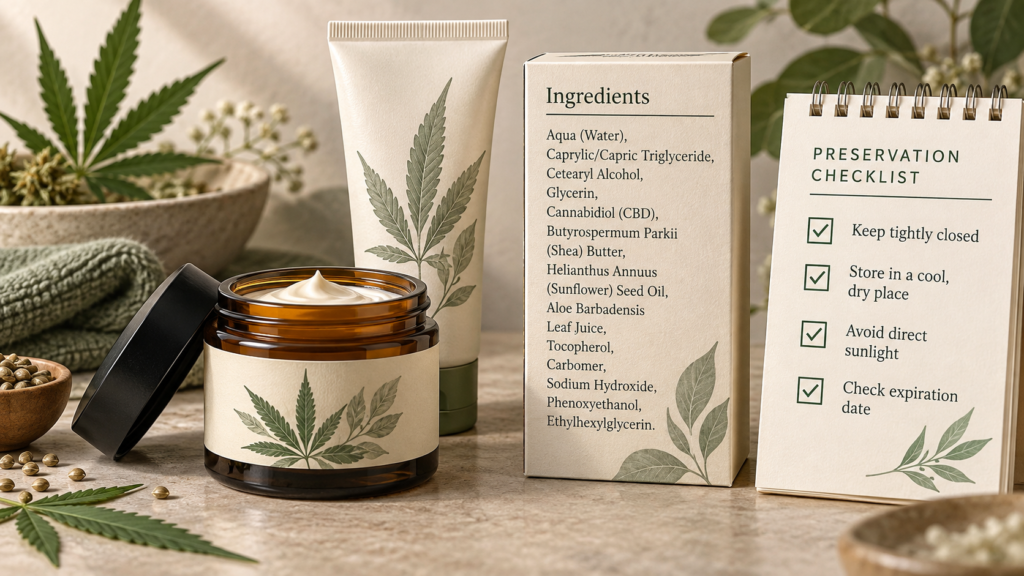
Read the entire ingredient panel. An isolate product can still contain a carrier oil and flavor; a broad-spectrum product can contain several extract components even if the front label emphasizes CBD. Look for manufacturer or seller identity, contact information, batch or lot code, storage guidance, and a current report link.
How to use a COA for the comparison
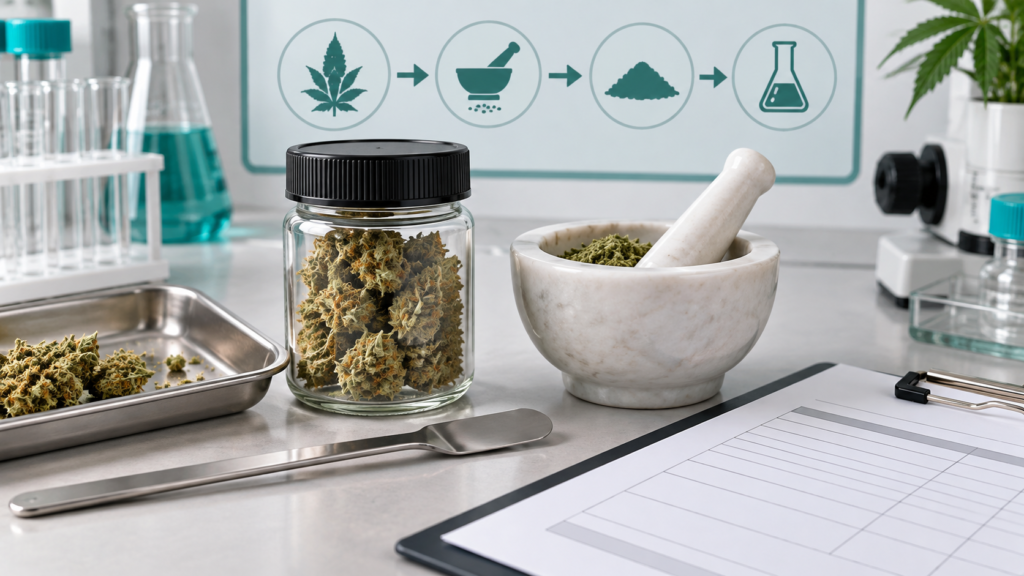
A certificate of analysis gives evidence about a submitted sample and the laboratory’s stated method. It is strongest when the report identifies the product, batch, sample date, report date, testing laboratory, units, and relevant panels. A generic report for an old batch cannot confidently verify the bottle in your hand.
- Copy the batch or lot code from the package.
- Open the seller’s testing page or request the report.
- Match the code character by character.
- Confirm that the product description is the same formulation.
- Compare CBD and THC results using the report’s units.
- Read the reporting limit before interpreting “not detected.”
- Save the report and purchase details together.
Use the site’s COA reading guide and batch-matching checklist for a repeatable process. If a seller says broad-spectrum means zero THC, ask what “zero” means in the report and which detection limit applies. A result below a laboratory limit is different from a mathematical guarantee that no molecule is present.
When shoppers may prefer broad-spectrum
A shopper may prefer broad-spectrum when they want a multi-compound extract but want the seller to provide a non-detectable THC result for the batch. This preference can matter for people with workplace rules, drug-testing concerns, or a personal choice to avoid THC. Even then, the product’s actual report and the buyer’s current requirements matter more than the category name.
Do not treat broad-spectrum as automatically stronger, safer, or more effective. The number of compounds in an extract does not by itself establish a better outcome. Marketing language about an “entourage effect” is not a guarantee. The FDA says that many CBD products have not been evaluated for general therapeutic use and that safety and quality questions remain; read its consumer update.
When shoppers may prefer isolate
A shopper may prefer isolate when a shorter cannabinoid profile is easier to understand or when they want a formulation centered on CBD. Isolate does not mean the finished product contains nothing else. The carrier oil, flavor, capsule, gummy base, or topical ingredients still need review. Nor does isolate automatically mean THC-free; the batch report is the better evidence.
Compare the stated formula with the COA. If the report lists minor cannabinoids that are not explained by the product page, ask the seller for clarification. If the report describes a different sample type, such as raw extract while the product is a finished tincture, it may not answer the question you are asking.
THC, safety, and evidence boundaries
Full-spectrum, broad-spectrum, and isolate labels should not be used as medical labels. The FDA has approved a prescription CBD drug for specific seizure disorders, but that approval does not make ordinary retail CBD products approved medicines. The agency also warns that CBD can raise safety questions and interact with other drugs. For personal health, pregnancy, medication, or allergy questions, speak with a qualified healthcare professional.
The CDC provides general cannabis health information and notes that products and routes of administration can carry different risks; read its cannabis FAQ and health-effects overview. These are public-health references, not individualized directions. This article does not diagnose, treat, cure, or prevent a condition.
Broad-spectrum CBD vs isolate buying checklist
- Is the extract category stated consistently across the label and product page?
- Is total CBD clearly separated from total hemp extract?
- Are serving units and bottle volume easy to calculate?
- Is THC stated, including the relevant detection language?
- Does the batch number match a recent COA?
- Does the COA identify laboratory, dates, methods, units, and sample?
- Are carrier oil, flavors, and other ingredients disclosed?
- Does the copy avoid treatment and guaranteed-effect claims?
- Are regional shipping limits easy to find?
Before checkout, review shipping information and regional availability. Federal, state, workplace, carrier, and product rules may not align, and they may change.
Frequently asked questions
Is broad-spectrum CBD better than isolate?
Not as a universal rule. It is a formulation choice. Compare the exact ingredients, batch report, THC information, policies, and your own buying requirements.
Does CBD isolate contain THC?
Isolate is intended to center on isolated CBD, but the finished product and test result are what you should review. Do not assume a category word answers a sensitive THC question.
Is broad-spectrum guaranteed to be THC-free?
The term is commonly used for products marketed without detectable THC, but detection limits and batch variation matter. Read the current COA rather than relying on a slogan.
Can I combine different CBD products?
This article does not provide personal-use instructions. Products can have different ingredients and cannabinoid profiles. Ask a qualified healthcare professional about individual safety questions and interactions.
How to compare two product pages fairly
Open both pages at the same time and record the information in a small table. Start with serving volume, total CBD, total product weight, and THC statement. Then record the ingredient list, batch-report link, shipping restrictions, and return terms. This prevents an attractive front-label phrase from taking the place of the information that actually affects a buying decision.
Compare like with like. A tincture, gummy, capsule, and vape may use different serving units and different carrier ingredients. A broad-spectrum tincture should not be compared with an isolate gummy using only the number printed beside CBD. The package format changes the calculation and the relevant handling questions. If a seller makes the comparison difficult, ask for a plain-language explanation of what its numbers mean.
It is also useful to record what is unknown. For example, a page may state “THC-free” but provide no detection limit, or list a COA without identifying the sample date. Unknowns are not proof of a bad product, but they reduce confidence. A trustworthy comparison can say, “This is what the page establishes, and this is what still needs verification.”
That habit is especially valuable when product pages are revised. Save the page date with your notes and recheck the label when you reorder. A changed formula should trigger a fresh COA review.
Conclusion
Broad-spectrum CBD vs isolate is a label-and-evidence comparison, not a contest with one winner. Broad-spectrum may appeal to shoppers seeking multiple hemp compounds without a reported detectable THC result; isolate may appeal to shoppers seeking a CBD-centered formula. In both cases, verify the batch, units, ingredients, COA scope, shipping policy, and current rules before you buy.
Editorial note: Herbxmind publishes adult-use consumer education. This article is not medical or legal advice. Formulas, laboratory reports, and regulations can change, so verify current information before purchase or use.