

Quick answer: A cannabis product return policy should explain which unopened items qualify, how quickly a buyer must contact the seller, what proof of purchase is needed, who pays return shipping, how damaged or incorrect orders are handled, and whether refunds are issued to the original payment method. Read the policy before ordering because cannabis and hemp product rules, payment processing, and shipping restrictions can limit ordinary retail returns.
Buying education does not end at checkout. A clear cannabis product return policy helps an adult shopper understand what happens if a package arrives damaged, an item is missing, a product is sent in error, or a personal change of mind occurs. It also prevents a common mistake: assuming every product can be mailed back like ordinary merchandise. This guide explains how to evaluate a policy and what information to record.
What a good cannabis return policy should answer
A return page should be specific enough to use during a real order problem. Look for direct answers to these questions:
- Is the item eligible only when unopened, unused, and in original packaging?
- How many days does the buyer have to report a problem?
- Does the seller accept returns for preference or only for defects and fulfillment errors?
- What photos, order number, tracking details, or batch information are required?
- Is a return authorization required before sending anything?
- Where should the package go, and which carrier is allowed?
- Who pays shipping for a seller error, damage, or an approved preference return?
- When does the refund or replacement decision occur?
- Are shipping charges, discounts, gift cards, or expedited fees treated differently?
- Are age, state, payment-provider, or product-category restrictions mentioned?
If a policy says “all sales final” without explaining damaged, incorrect, or defective-order procedures, ask customer service for clarification before ordering. A short policy can still be useful, but it should not force the buyer to guess about the most likely exceptions.
Why cannabis returns can differ from ordinary retail
Product category matters. A seller may have different handling rules for sealed CBD products, hemp-derived THC products, flower, vapes, edibles, accessories, and apparel. Opened consumables create hygiene, tamper, safety, and inventory-control questions. A seller may therefore offer replacement or store credit instead of accepting a used product back. The policy should tell you which rule applies to the exact item.
Regulation is also not uniform. The FDA explains that cannabis and cannabis-derived products are governed by a changing mix of federal requirements and state rules; read the FDA consumer update and its regulatory overview. A return policy is not a legal opinion and should not be read as permission to ship a restricted product across a border or into a particular state.
Before checkout, review the store’s shipping policy and regional availability information. If those pages conflict, contact the seller and keep the response with your order records.
How to compare policy language
“Unopened” and “unused”
These words are not decorative. “Unopened” may mean the seal and package are intact; “unused” may mean the product has not been consumed, loaded, applied, or altered. Photograph the exterior before opening. If the product is visibly damaged or the wrong item arrived, contact the seller before opening it unless safety requires immediate action.
“Defective” and “damaged”
Defective may refer to a product problem, such as a damaged container or missing component. Damaged may refer to shipping damage. A policy should explain whether the carrier must be notified, whether the buyer must retain the box, and whether photos are required. Do not discard packaging until the case is resolved.
Refund, replacement, and store credit
A refund returns money to an approved payment method; a replacement sends another product; store credit changes the remedy into a future purchase. The policy should state which remedy is available for each situation and whether the buyer can choose. Payment providers may have their own timelines, but the seller should still explain when it submits the refund.
A practical return checklist for buyers
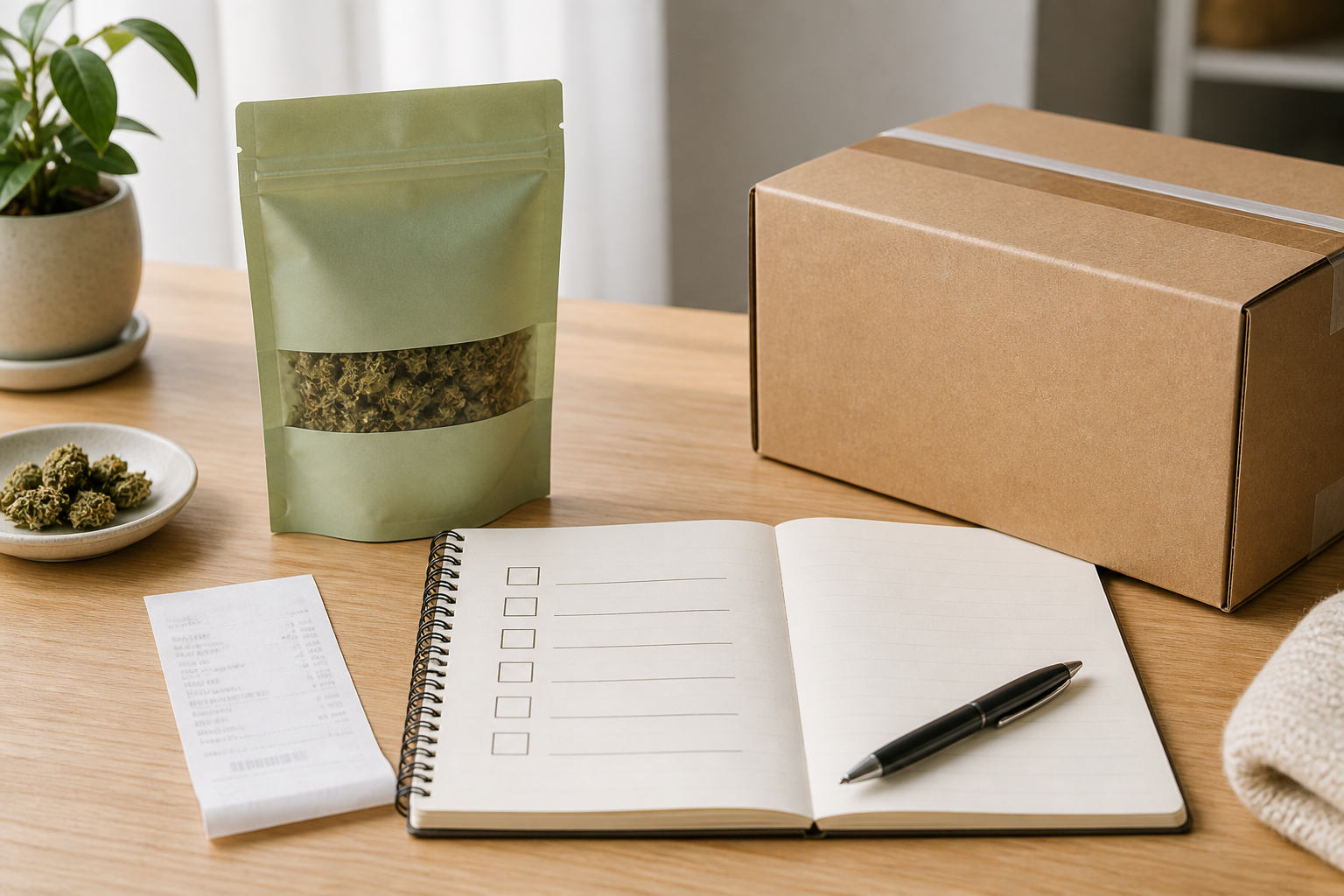
- Save the product page, return policy, shipping policy, and order confirmation as PDFs or screenshots.
- Record the order number, purchase date, tracking number, product name, and batch or lot code.
- Photograph the shipping box, label, seal, and product from several angles.
- Do not consume, open, refill, relabel, or combine a product that may need inspection.
- Contact the seller through the stated support channel before mailing anything.
- Describe the issue in plain language and attach only the requested evidence.
- Request written confirmation of the next step, destination, carrier, and deadline.
- Use tracking if a return is authorized and keep the receipt.
- Check the refund, replacement, or credit status against the policy timeline.
For product questions that involve testing rather than a return, compare the batch code with the lab-results page and use the batch-number checklist. A test-report question and a shipping-damage claim are different cases; separating them makes support communication clearer.
What to do when the package is wrong or damaged
Start with evidence. Photograph the unopened exterior, the carrier label, the packing slip, and the item. Note whether the outside package is crushed, wet, punctured, or resealed. If the order is missing an item, photograph the contents as received and list the missing product. Then send one concise message with the order number, what you expected, what arrived, and what remedy the policy appears to provide.
Do not throw away a product that appears unsafe or tampered with. Do not attempt to repair a leaking container or use a damaged vape device. Ask the seller how to isolate and dispose of the item, and follow applicable local instructions. The CDC notes that cannabis products can vary and that consumers should consider potential health and safety risks; consult its health-effects information for general education, not individualized advice.
Questions to ask before placing an order
- What is the deadline for reporting a wrong or damaged shipment?
- Do you replace items that arrive damaged, or do you refund them?
- Are opened products ever eligible for a remedy?
- How are returns handled if the destination’s rules change after purchase?
- Do you require the original packaging and batch code?
- Which email or form creates an official support record?
- Are shipping charges refundable for an order error?
- How long should a refund take after approval?
Use the site’s contact page if the policy does not answer these questions. A helpful seller should be able to explain process and eligibility without promising an outcome that conflicts with current rules.
Common return-policy red flags
- The policy has no effective date or contact route.
- It promises returns everywhere despite regional restrictions.
- It uses “satisfaction guaranteed” but provides no timing or remedy.
- It asks buyers to mail products back before approval.
- It gives no procedure for wrong, leaking, tampered, or damaged orders.
- It promises a refund without explaining payment-provider limitations.
- It encourages a buyer to remove labels or transfer a product to another container.
- It treats a batch-specific safety question as a simple preference return.
These signs do not independently prove that a seller is unreliable. They do show that you should get a written answer and decide whether the purchase risk is acceptable.
Frequently asked questions
Can I return an opened cannabis product?
That depends on the seller’s current policy and the product category. Many policies limit returns to sealed items, while damage or fulfillment errors may have a separate process. Do not assume that opening the package preserves eligibility.
Who pays return shipping?
The policy should distinguish a seller error or damaged shipment from a preference return. Never send a package to an address found in an old email or search result; obtain current written instructions first.
What if a product is unavailable in my state after I order?
Contact the seller promptly. Availability can depend on product composition, destination, carrier practices, and rules that change. A policy may offer cancellation, but it should not be treated as a guarantee that every transaction is lawful.
Do I need the batch number for a return?
Often it helps, especially for a product-specific question. Keep the original packaging and report the code accurately. The seller may use it to investigate the item, while the order number confirms the transaction.
How to write a useful support message
A well-organized message can shorten the time needed to resolve an order issue. Put the order number and the requested remedy in the subject line. In the first paragraph, state the delivery date and whether the package was opened. In the second, describe the problem using observable facts: “the bottle was cracked,” “the packing slip lists two items but one arrived,” or “the product name differs from the confirmation.” Avoid guessing about cause or making a medical conclusion.
Attach clear photographs in the format requested by the seller. Keep the original files and note when they were taken. If the seller asks for a batch number, transcribe it and include a close-up image. If the seller asks you to return the item, request the return address, authorization number, carrier instructions, and deadline in writing. Do not rely on an informal promise that is absent from the published policy when the cost of shipping or the product value is significant.
Keep a timeline: date of first contact, response date, instructions received, tracking number, delivery date, and refund or replacement status. This is not about escalating every disagreement. It gives both sides a shared record and makes it easier to identify whether the delay is caused by missing evidence, carrier movement, payment processing, or an unresolved eligibility question.
Separate product quality questions from preference returns
A preference return means the buyer changed their mind or selected the wrong flavor or format. A quality or fulfillment question concerns the product received, the information supplied, or the condition of the shipment. These categories may have different remedies and deadlines. Use neutral wording, preserve the packaging, and ask the seller to classify the request under its current policy. If the concern relates to an ingredient, batch report, or possible tampering, say so directly rather than describing it only as “not satisfied.”
Conclusion: read the policy before the problem
The best time to understand a cannabis product return policy is before payment. Confirm eligibility, deadlines, evidence, shipping instructions, and remedies for the exact product you plan to buy. Save the policy, inspect the parcel, keep the batch information, and communicate in writing. This simple recordkeeping approach gives both buyer and seller a clearer path when an order does not arrive as expected.
Editorial note: Herbxmind publishes adult-use consumer education. This article is not legal, medical, or payment advice. Product policies and regulations can change; verify the current seller terms and official government information before ordering or returning a product.