

Quick answer: Store cannabis flower in a clean, sealed, light-protective container in a cool, stable, dry location away from children, pets, heat, and direct sunlight. Keep the original label and batch information with the product, avoid unnecessary air and moisture exposure, and inspect the flower for damaged packaging, unusual moisture, or visible contamination. Storage protects the product’s condition, but it cannot change the product’s cannabinoid profile or make an unlabeled item verifiable.
A cannabis flower storage plan should be simple enough to follow and cautious enough to protect product information. Adult buyers often focus on appearance or aroma after delivery, but the container, environment, label, batch number, and handling history also matter. Good storage does not turn a questionable product into a reliable one; it helps preserve an item that was already properly identified and packaged.
Why storage matters
Flower is a plant material that can be affected by light, heat, humidity, air exchange, handling, and time. Changes in the environment can affect texture, aroma, and the overall condition of the material. Storage is also a traceability issue. If you move flower to an unmarked jar and discard the original package, you may lose the batch number, ingredient information, warnings, and connection to a COA.
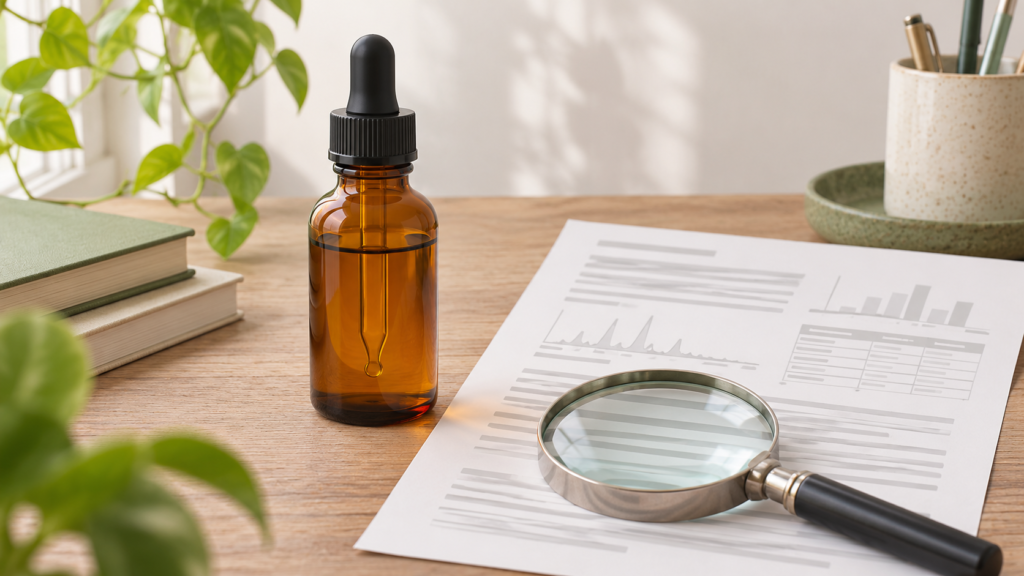
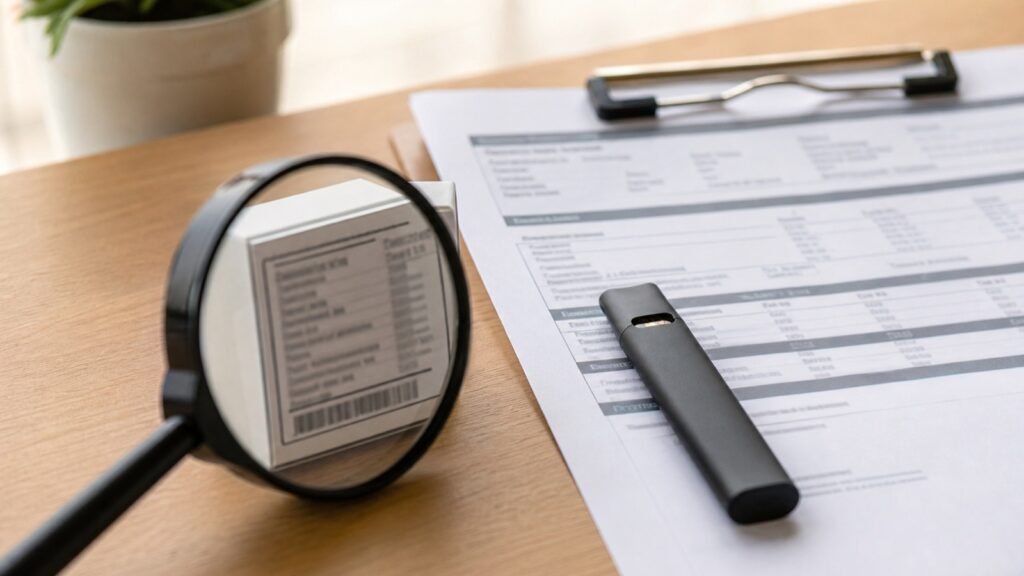
Storage is not a promise of safety or freshness. A certificate of analysis applies to a tested sample, while storage instructions describe how to handle the product after it reaches the buyer. Read our hemp flower package-label guide before putting the product away so you can record the details that should stay with it.
The best storage container
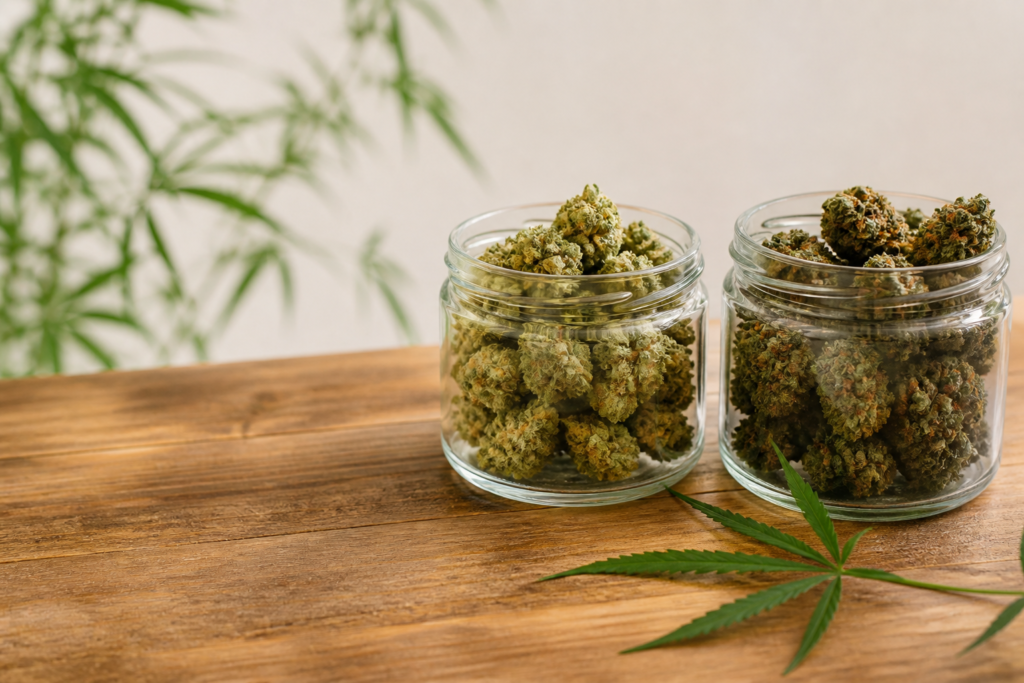
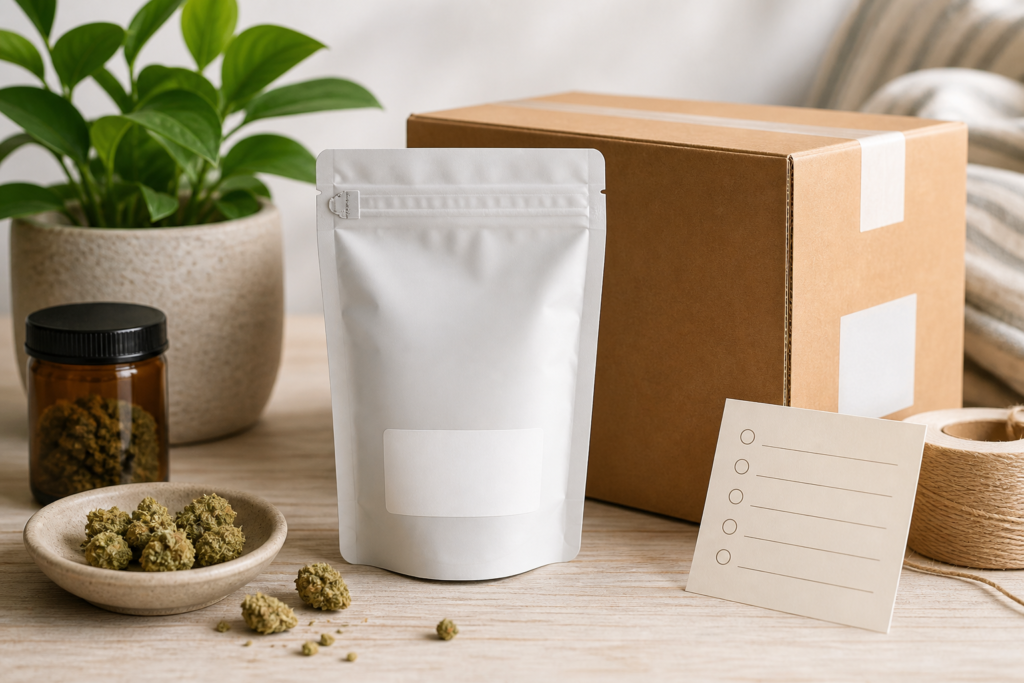
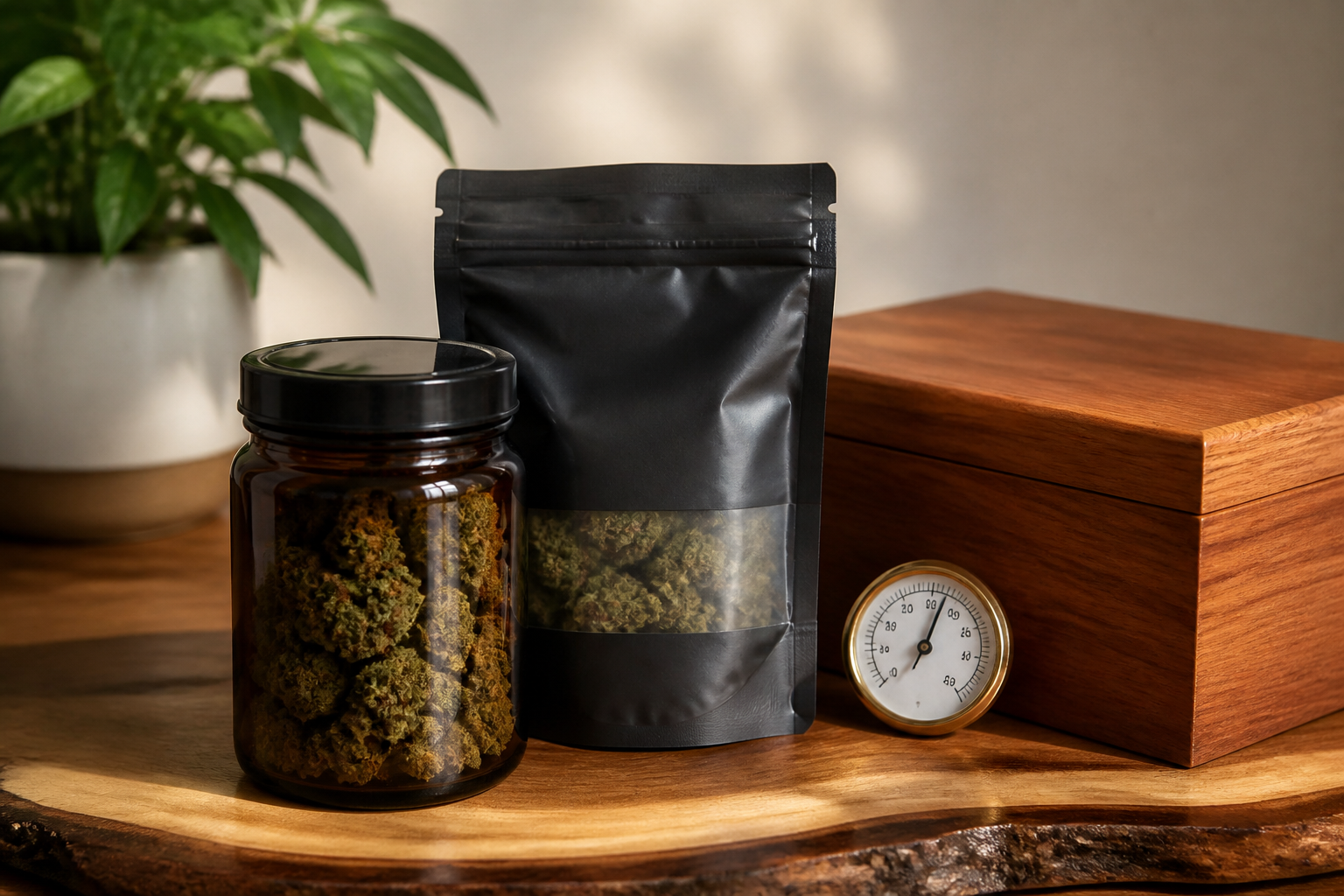
Use a clean, sealed container that protects the flower from light and unnecessary air. The original packaging may be appropriate if it is intact and provides a reliable closure. An opaque glass jar or purpose-built container can also work when it is clean, dry, and clearly associated with the original label.
A container should not introduce strong odors or residues. Do not use a container that previously held cleaning chemicals, fragrance, food with a strong smell, or another material that could transfer odor. Do not overfill the container to the point that the flower is crushed, and do not leave it open while inspecting it for long periods.
Light, heat, and location
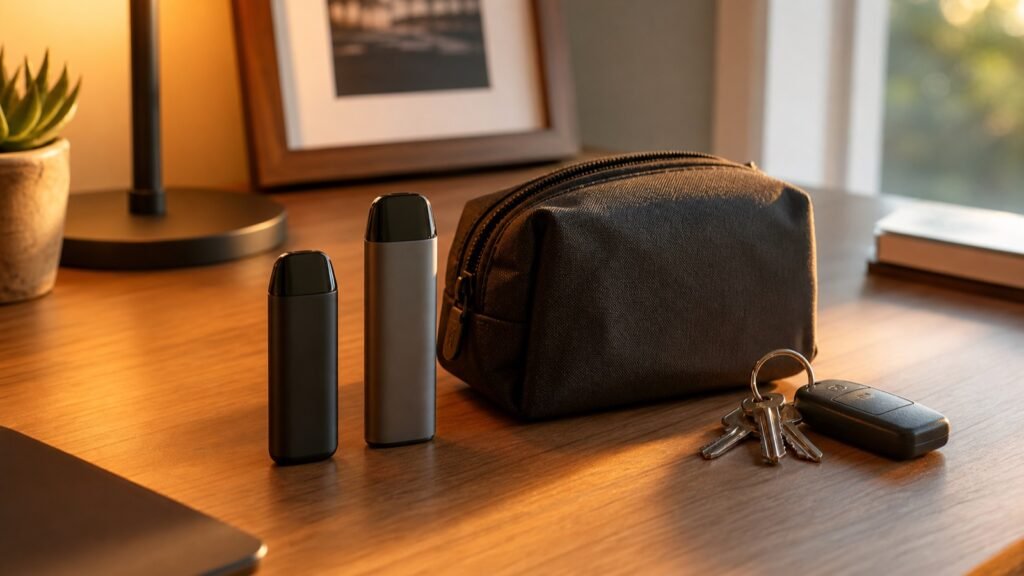
Choose a cool, stable location away from direct sunlight, radiators, appliances, hot vehicles, and windows with intense afternoon light. A dark cabinet is often more practical than a countertop. Avoid locations where temperature changes sharply, such as a garage, attic, or car. Heat can also damage packaging and make labels or seals harder to read.
Keep the container away from children and pets. The CDC notes that cannabis products can create health risks and that accidental exposure is a serious concern. Edible products deserve particular care because they can resemble ordinary food, but flower and concentrated products should also be stored securely.
Humidity and moisture
Moisture management requires balance. Excess moisture can create unpleasant storage conditions, while overly dry material may change texture and handling. Do not add water, fruit, wet paper, or homemade moisture sources to a product. If you use a commercial humidity product, follow its instructions and make sure it is appropriate for the container and product.
A small hygrometer can help you observe the container environment, but it does not test cannabinoid content, contamination, or legal status. It is a storage tool, not a laboratory instrument. If you notice condensation, damp packaging, a musty smell, or visible growth, stop using the product and contact the seller.
What to record before storing flower
- Photograph the package front and back.
- Record the product name and net weight.
- Write down the batch or lot number.
- Save the current COA or product report.
- Record the package date or test date when shown.
- Keep the seller’s support and shipping information.
- Note any visible damage or mismatch before opening.
This record helps you distinguish a storage change from a product or packaging issue. It also lets you match the flower to the correct report later. Our cannabis batch-number guide explains why the identifier matters.
How often should you open the container?
Open the container only when needed. Repeated opening introduces fresh air and increases handling. Use clean, dry hands or an appropriate tool, and avoid touching more of the product than you need. Do not leave the lid loose after inspection. If the product is shared, keep the original label and storage instructions available so the next adult user understands the item.
How to inspect flower after delivery
Start with the package, not the flower. Check whether the seal is intact, the label matches the order, and the batch number is readable. Then inspect the material for obvious packaging moisture, unusual odor, damaged pieces, or visible contamination. Appearance and aroma can provide useful observations, but they cannot prove CBD or THC amounts and cannot replace a COA.
If the product arrives leaking, wet, moldy-looking, mislabeled, or materially different from the listing, photograph it and contact the seller. Avoid using a questionable product while waiting for instructions. Keep the package, receipt, and report so the seller can identify the item.
Storage and COA evidence
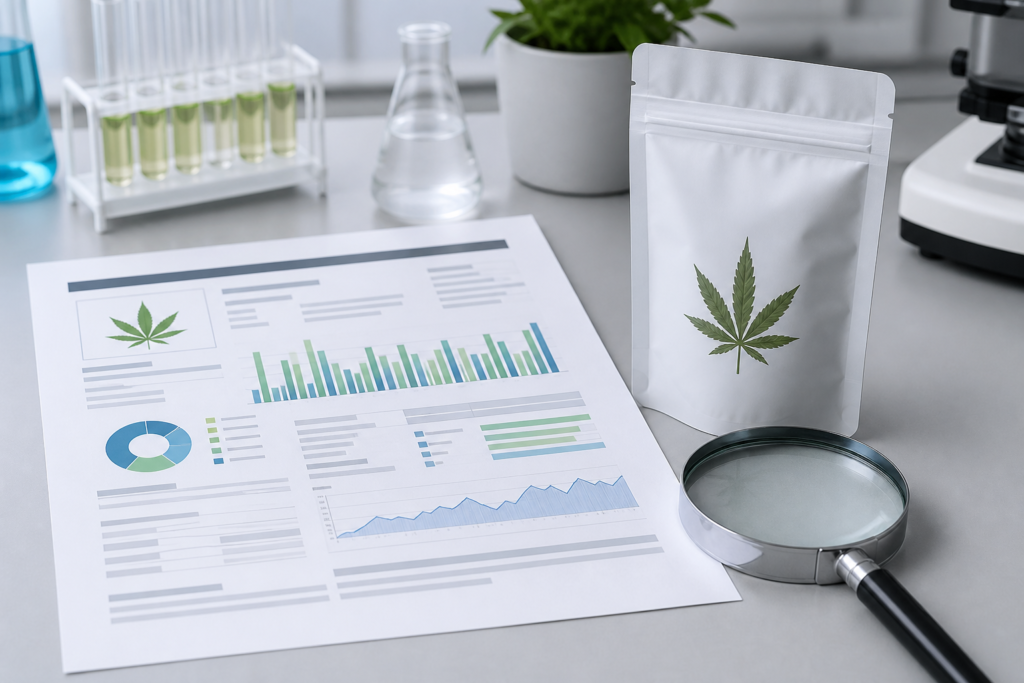
Storage does not update an old COA. When you buy a new batch, review the current report and match it to the package. Use the CBD COA comparison guide to check the product identity, batch, lab, date, units, and testing panels. A storage container cannot fix a report that belongs to another product.
The FDA has warned that consumer CBD quality can be uncertain and that some products may contain different amounts than claimed or contaminants. That makes careful documentation useful, but it does not mean a buyer can verify every quality question at home. Stay within the evidence provided by the label and report.
Common storage mistakes
- Leaving flower in direct sunlight or a hot vehicle.
- Using a container with strong residue or odor.
- Adding household moisture sources.
- Throwing away the original label and batch number.
- Storing product where children or pets can reach it.
- Assuming a hygrometer proves laboratory quality.
- Using flower that has unusual moisture, odor, or visible contamination.
- Confusing “fresh” marketing language with a tested freshness claim.
Storage, responsible use, and health boundaries
Storage advice should not be confused with medical advice. The FDA states that many questions about CBD safety remain unresolved and that consumers should speak with a healthcare provider before using CBD products, especially when medications or special circumstances are involved. The CDC explains that cannabis use can involve impairment and other health risks. Do not drive or operate equipment while impaired, and do not use cannabis-derived products for a child or pet without appropriate professional guidance.
How destination rules affect storage
Local rules can affect what products an adult may possess, receive, or transport. Packaging and storage at home do not make a product lawful in every location. Review the seller’s shipping policy and current regional availability information. Rules can change, so treat a current page and local authority as more reliable than a general social-media statement.
Frequently asked questions
What is the best container for cannabis flower?
Use a clean, sealed, light-protective container that preserves the original label and batch information. The original package may be suitable if it remains intact.
Should cannabis flower be refrigerated?
Do not assume refrigeration is necessary or appropriate. Temperature changes and condensation can create handling problems. Follow the product’s instructions and choose a cool, stable location.
Can a humidity pack prove quality?
No. It may help manage storage conditions when used correctly, but it cannot confirm cannabinoid amounts, contaminants, or legality.
What if stored flower smells musty?
Stop using it, keep the product and packaging, photograph the condition, and contact the seller. Do not try to mask the smell or “fix” the material with household products.
A simple weekly storage routine
Once a week, check the container without leaving it open: confirm the lid is secure, the product remains labeled, there is no condensation, and the storage location is still cool and inaccessible to children and pets. If the package has a batch-linked QR code or report, keep that information with the container. A short routine is more reliable than changing containers or adding products whenever the flower looks different.
Bottom line
If you are unsure whether a change is caused by storage, packaging, or the original product, do not guess from appearance alone. Keep the item isolated, preserve the label and batch information, and ask the seller for a documented answer.
Good cannabis flower storage is cool, stable, sealed, light-protected, traceable, and inaccessible to children and pets. Keep the original label and batch record, inspect the package on arrival, avoid improvised moisture or heat, and use a current COA for product verification. For more education, visit the Herbxmind blog, review COA batch matching, and contact support when storage or packaging details do not make sense.
Editorial note: This article is educational content for adults where permitted. It is not medical advice, legal advice, or a guarantee that any product is safe, lawful, or suitable for a particular person.
Start with the package and the product label
Cannabis flower storage begins with traceability. Keep the product in its original labeled package when practical, because the package connects the material to its product name, lot or batch code, stated weight, and any storage directions. A plain container may look convenient, but it can remove information you may need for a product question, return, or report review.
Before opening the package, photograph or record the label fields that matter to you. Note the product name, cultivar or strain description if shown, net weight, batch code, package date, expiration or review date, and the location of any current COA. These fields do not prove that a product is suitable for every adult, but they help you track what you received and whether a later document matches the package.
Do not assume that two packages with the same name have the same batch or composition. Flower can be sold across multiple lots, and product pages can be updated while the name remains unchanged. Add the date you checked the label to your notes, especially if you plan to reorder.
Control light, heat, moisture, and air
Good storage limits unnecessary exposure to light, heat, moisture changes, and air. Follow the product’s instructions first. If the label gives a temperature or container direction, use that information instead of applying a universal rule. Store the package in a stable, clean, dry place away from direct sunlight, radiators, hot vehicles, and appliances that produce heat.
Avoid repeatedly opening the package just to inspect the flower. Each opening can change the air and moisture conditions inside. Plan to remove what you need, close the container promptly, and return it to the same stable location. Do not store the package in a bathroom, near a sink, or in another place where humidity changes quickly.
Air exposure is also a reason to avoid oversized containers. If the product is moved into another approved labeled container, choose a size that does not leave excessive empty space and preserve the original product information. Never use an unmarked container when children, guests, or other household members could mistake the contents.
Use humidity information carefully
Flower labels and product guides sometimes discuss humidity, moisture, or water activity. These terms are not interchangeable. Water activity is a laboratory measurement related to the availability of water, while a humidity number describes a storage environment or a package condition. A buyer should not turn one number into a guarantee about the entire product.
If a COA reports moisture or water activity, record the exact panel, unit, date, and sample description. Check whether the report identifies the same batch and product form. A report for a different lot may provide background information but does not directly establish the condition of the package you received.
Do not add a humidity device, liquid, or other material to a package unless the product instructions specifically support it. An unapproved addition can change the product, create a traceability problem, or introduce a material that is not described on the label. When the storage guidance is unclear, ask the seller before altering the package.
What to check after delivery
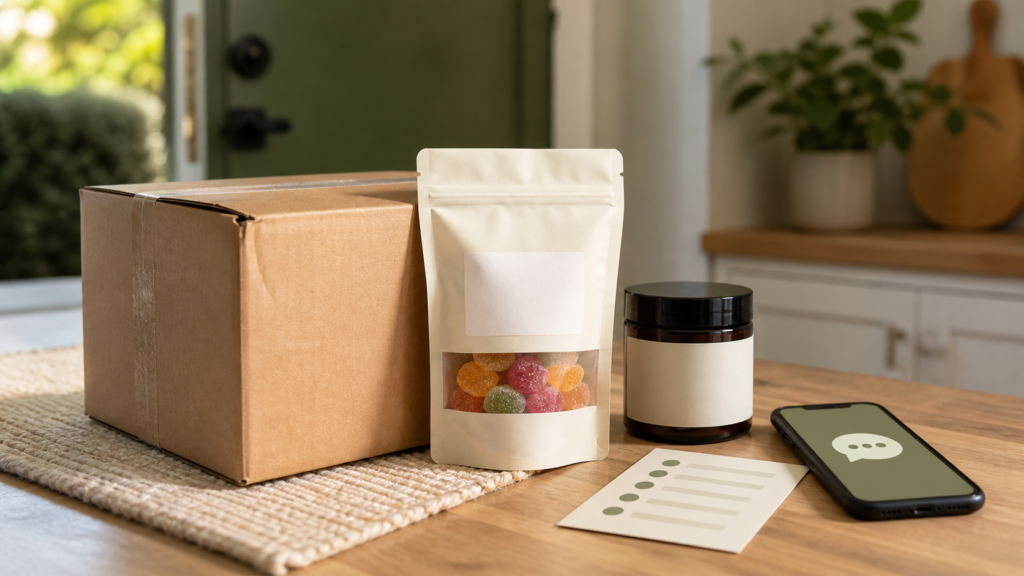
Inspect the outer packaging for damage, moisture, punctures, or a broken seal. Then compare the product with the order confirmation. Check the name, amount, batch code, and label information. If the product arrives wet, unusually hot, visibly contaminated, or materially different from the listing, pause before use and contact the seller through its official support channel.
Keep the shipping box, packing slip, and photos until the issue is resolved. A support request is easier to investigate when it includes the order number, tracking number, product name, batch code, and a clear description of the condition. Do not guess about the cause of a problem or discard the package before the seller explains its return process.
If the flower has a strong odor that does not match the product description, visible foreign material, or a damaged package, keep it separate from other products and ask for instructions. This article does not determine whether a product is safe or unsafe; it describes a cautious documentation and storage process.
Storage and product evidence are connected
A current COA can help you understand the reported batch, but it does not replace storage instructions or prove a universal safety result. Record the laboratory name, report number, date, sample description, batch code, and panels. Compare the report to the package instead of relying on a generic “lab tested” badge.
Read the panel names precisely. Cannabinoid results, pesticide results, heavy-metal results, microbiological results, and moisture-related results answer different questions. A report that lacks a relevant panel should not be described as testing for that issue. If a result is below a reporting limit or marked not detected, preserve the laboratory’s wording rather than rewriting it as a guarantee of zero.
Storage can also affect whether a later product review is meaningful. If the package has been left in direct heat or repeatedly exposed to changing moisture, note that history. A buyer should not assume that a laboratory result from the production date describes every condition after delivery.
Long-term storage checklist
- Keep the original label, batch code, and package information.
- Choose a stable, clean, dry location away from direct light and heat.
- Keep the package closed except when removing the intended amount.
- Avoid bathrooms, hot vehicles, windowsills, and damp areas.
- Do not add unapproved liquids, humidity products, or other materials.
- Store away from children, pets, and unauthorized adults.
- Record any damaged seal, unusual condition, or storage incident.
- Keep the receipt, tracking information, and COA link.
- Review the label before a repeat purchase because batches and rules can change.
How to handle a storage mistake
If flower was left in heat, opened frequently, or exposed to moisture, do not try to correct the situation with an improvised treatment. Record what happened, check the product instructions, and contact the seller if you need product-specific guidance. Keep the material in its original package while you seek clarification.
A storage mistake does not automatically prove that the product is unusable, and a fresh appearance does not prove that every quality attribute is unchanged. Make a proportional decision based on the label, the product condition, the seller’s instructions, and any relevant professional advice.
If you have health concerns, take medication, are pregnant or breastfeeding, or are considering use by a minor, consult an appropriately qualified healthcare professional. This guide is consumer education and does not diagnose, treat, cure, or prevent a condition.
Legal and shipping boundaries
Rules for hemp flower, cannabis flower, hemp-derived THC, possession, and shipping can differ by jurisdiction and change over time. Do not treat a storage article as a universal legal statement. Check current official information for the relevant destination and read the seller’s current policy before ordering or transporting a product.
Keep products in labeled packages when traveling and avoid moving them across jurisdictions without confirming the applicable rules. A product’s label or a seller’s shipping policy does not settle every location-specific question.
FAQ
Should cannabis flower stay in its original package?
Keeping the original labeled package is usually helpful for traceability, batch information, storage directions, and product questions. Follow the product’s instructions and preserve the label if you use another approved container.
Is a humidity number a guarantee of freshness?
No. Humidity, moisture, and water activity are different concepts, and one number does not guarantee every product attribute. Read the exact label or laboratory context.
What if the package arrives damaged?
Document the condition, keep the packaging, pause before use, and contact the seller through its official support channel.
Can I store flower in a bathroom?
A bathroom can have frequent humidity and temperature changes, so it is generally a poor storage location. Follow the product’s specific storage directions and choose a stable, dry place.
Conclusion
Practical cannabis flower storage is a combination of stable conditions and careful records. Keep the original label, protect the package from unnecessary light, heat, air, and moisture changes, and document the batch and COA information. If the product arrives damaged or the storage history is uncertain, pause and ask the seller for product-specific guidance. Storage instructions and local rules can change, so review current information rather than relying on a universal formula.
Editorial note: Herbxmind publishes adult-use consumer education for US readers. This article is not medical or legal advice and does not guarantee product freshness, safety, legality, or effect. Editorial review date: October 29, 2026.
Keep a simple storage log
A storage log does not need to be complicated. Write down the date received, the package condition, the location where it is stored, and any change you notice in the label or container. If you move the package, record the new location and keep it away from areas that children or pets can reach. This record can help you identify when a problem began without guessing later.
For repeat purchases, compare the new package with the previous one. Check whether the lot code, net weight, package date, product description, and storage language have changed. A changed field is not automatically a problem, but it is a reason to review the current product page and any current report. Keep the newest document with the newest package rather than combining information from different lots.
If you share a home, explain the storage boundary without making unsupported claims about the product. The practical message is simple: the package is for an eligible adult, it must stay in its labeled container, and no one else should open or use it. Clear household instructions reduce accidental access and preserve traceability if a question arises.