

Quick answer: A CBD vape pen and a disposable CBD vape can both deliver a CBD-containing formula, but they differ in hardware, charging, maintenance, cost, waste, and the amount of information a buyer must manage. A disposable may be simpler for a first purchase, while a rechargeable pen may offer a replaceable cartridge or a longer-term device choice. The right comparison is not “which is stronger?” It is “which format has clear ingredients, batch evidence, safe hardware, and a setup you can use responsibly?”
People searching for CBD vape pen vs disposable are often comparing convenience and value. The words can describe several product designs, so start by reading the exact listing. Some pens are sealed all-in-one devices. Others use a rechargeable battery with a replaceable cartridge. A disposable may be draw-activated, button-activated, rechargeable, or completely single-use. The label and instructions—not the product name alone—should determine the comparison.
What is a CBD vape pen?
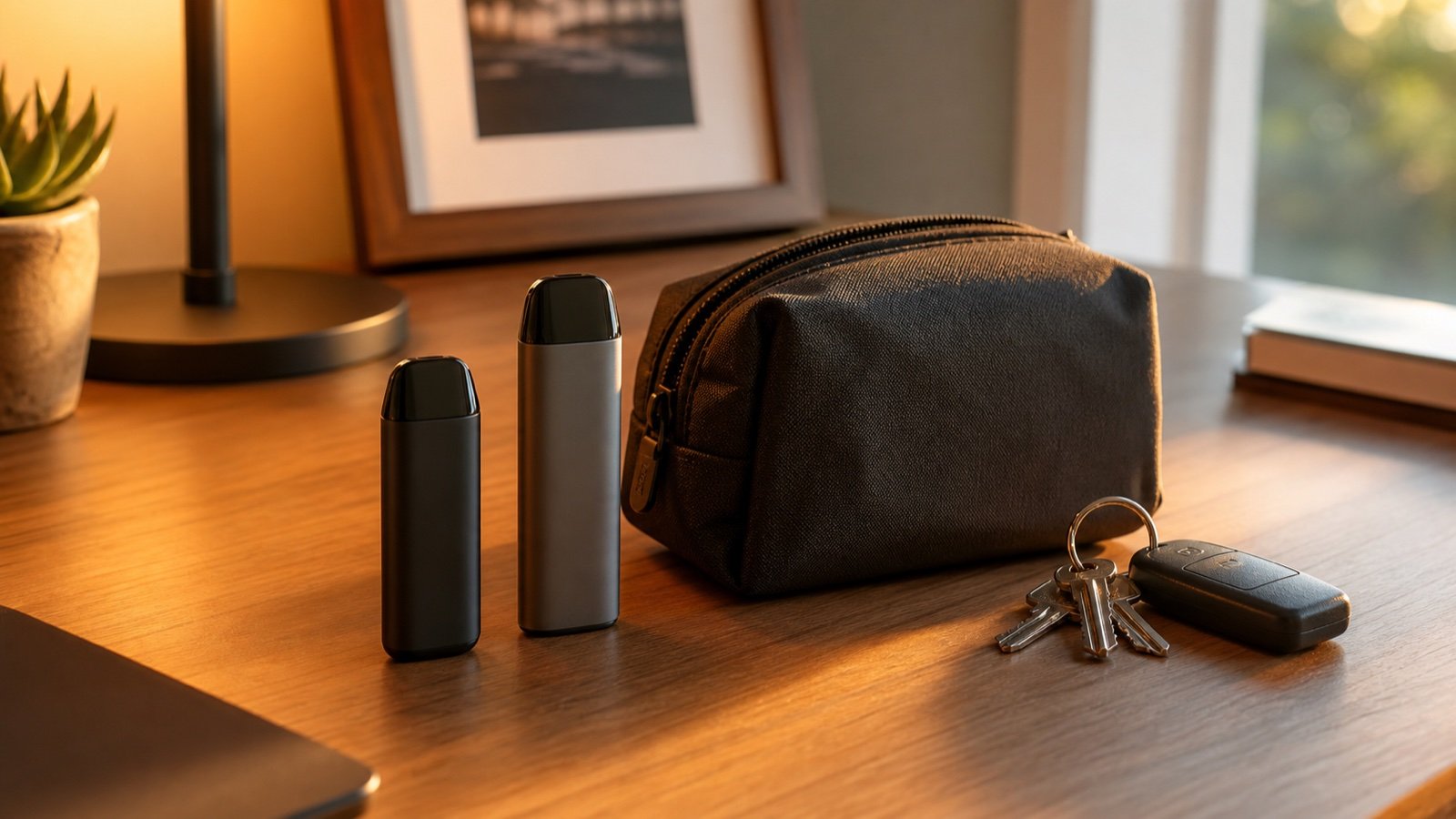
A CBD vape pen usually refers to a slim vaporizer format. In retail, the term may mean a reusable battery paired with a cartridge, or a sealed pen that is used until the formula or battery is depleted. A reusable design can separate the battery from the cannabinoid-containing cartridge. That may allow a buyer to replace one part rather than discard the entire device, but it also creates compatibility and cleaning questions.
Before buying, identify whether the pen is rechargeable, whether the cartridge is replaceable, how the device activates, what connector it uses, and whether the manufacturer provides charging and storage instructions. If a listing uses “pen” as a style word but does not explain the device, ask for clarification.
What is a disposable CBD vape?
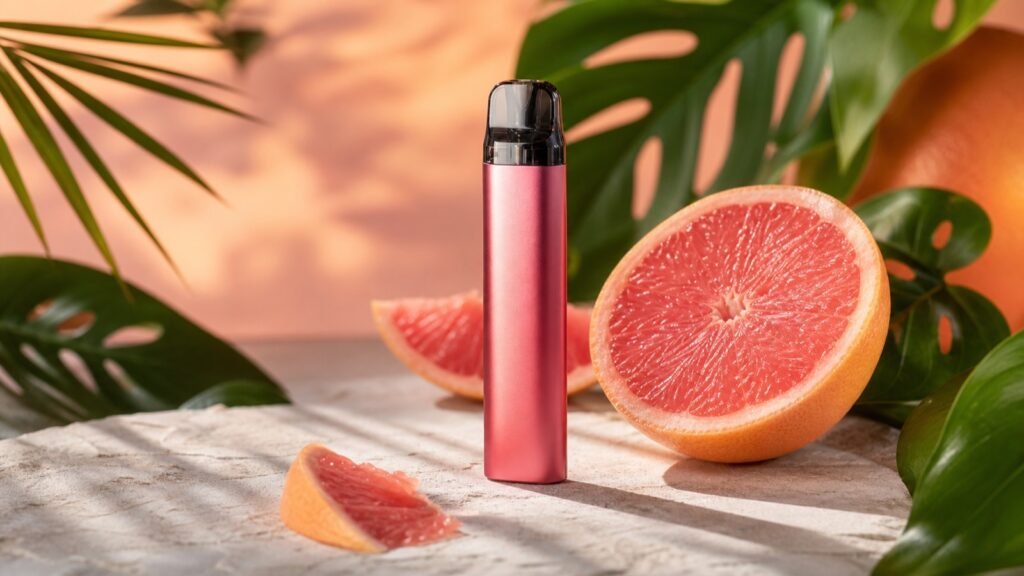
A disposable CBD vape is typically sold as a ready-to-use unit containing both the formula and the device. The buyer may not need to assemble a battery and cartridge, which can simplify the first-use experience. However, “disposable” does not always mean “non-rechargeable.” Some units include a charging port so the formula can be used before the battery runs down. Check the actual specifications and never assume that two disposable devices have the same capacity or battery design.
Side-by-side comparison
| Factor | CBD vape pen | Disposable CBD vape |
|---|---|---|
| Setup | May require a battery and cartridge connection | Usually ready to use after opening |
| Reuse | Battery may be reusable with compatible cartridges | Most or all of the device is discarded after use |
| Charging | Often rechargeable, but verify the instructions | May be non-rechargeable or USB rechargeable |
| Compatibility | Connector and cartridge fit matter | Compatibility is built into the unit |
| Waste | Potentially less hardware waste over multiple cartridges | More single-use hardware per purchase |
| Best comparison metric | Battery, cartridge, formula, and replacement cost together | Total formula, device capacity, batch evidence, and unit price |
The table is a starting point, not a quality ranking. A well-documented disposable can be a better-informed purchase than a reusable pen with unclear ingredients or no batch documentation.
Compare the formula before the hardware
Hardware should never distract from the formula. For both formats, check total CBD, CBD concentration, THC information, total liquid volume, and the complete ingredient list. Confirm whether the product contains a single cannabinoid or a blend. Compare the same units when possible: total CBD per device, CBD per milliliter, and the product’s labeled serving guidance.
Flavor names are not ingredient lists. A fruit or botanical name may refer to a flavor profile, but it does not tell you which flavoring agents or other ingredients are present. Ask the seller for a complete answer when the label is incomplete. Do not use an oral oil in a vape device unless the manufacturer explicitly states that the product is designed for inhalation.
Batch-matched testing is part of the comparison
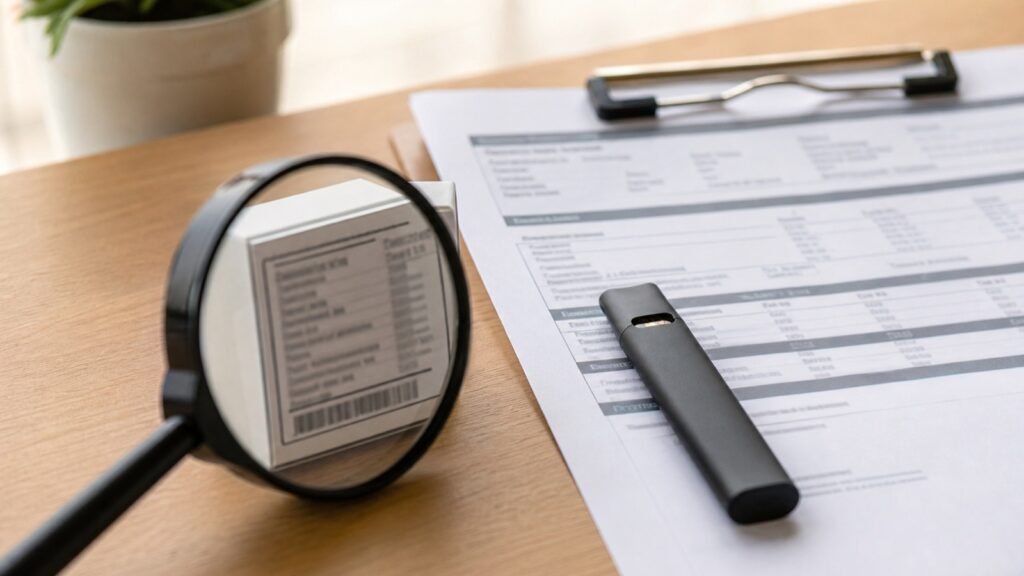
Both a pen cartridge and a disposable should be traceable to a batch or lot. Find the identifier on the package or product page, then compare it with the COA. Check the product name, batch, test date, laboratory identity, cannabinoid results, and available contaminant categories. A generic “lab tested” icon is not the same as a readable report that matches the product in your hand.
Use the COA comparison checklist when reviewing documentation. The FDA has reported concerns about inaccurate CBD amounts and contaminants in some products, so evidence boundaries matter. A report supports conclusions about the sample tested; it does not prove that every future batch is identical or that the product is suitable for every person.
Convenience and control
When a disposable may be simpler
A disposable may suit a buyer who wants a sealed, compact format with no separate battery or cartridge selection. It can be easier to understand when the product page clearly states capacity, battery behavior, ingredients, and disposal guidance. The tradeoff is that a hardware problem can make the whole unit unusable, and a single-use design creates more discarded components.
When a reusable pen may be more flexible
A reusable battery can offer more control over cartridge choice and may reduce the need to discard the battery each time. The tradeoff is a higher learning curve. The buyer must understand connectors, charging, cartridge storage, and compatibility. Reusing a battery does not mean every cartridge is compatible. Do not force parts together or use a charger outside the manufacturer’s instructions.
Battery and device safety
Vape devices contain batteries and should be treated as electrical products. Use the recommended charging cable and power source. Do not leave a device charging unattended or overnight unless the manufacturer specifically provides instructions that address it. Keep the device away from extreme heat, water, children, and pets. Do not use a device that is cracked, swollen, leaking, unusually hot, or producing a burnt smell.
Do not puncture, open, modify, refill, or repair a sealed device. If a product arrives damaged, take photos, stop using it, and contact customer support. Follow local rules for battery and electronic-waste disposal. The device’s end-of-life guidance is part of a responsible product comparison, not an afterthought.
Cost: compare the complete ownership picture
Price per device can be misleading. For a disposable, divide price by the labeled formula amount and consider whether the battery can use the entire contents. For a reusable pen, include the battery, cartridge, replacement frequency, charging accessories, and any shipping cost. Also consider whether the seller provides a replacement policy if the unit arrives defective.
A low initial price is not a bargain if the product has vague ingredients, an outdated COA, or hardware that cannot be used safely. A higher price is not proof of quality either. Make the comparison using transparent information and a product record you can verify.
Which format is better for different buyers?
- Choose based on simplicity: consider a clearly documented disposable if you do not want to manage a separate battery.
- Choose based on reuse: consider a rechargeable pen when the battery, cartridge system, and compatibility instructions are clear.
- Choose based on evidence: select the option with the better batch-matched COA and more complete ingredient disclosure.
- Choose based on storage: select the format you can keep safely away from heat, children, and pets.
- Choose based on destination: confirm the seller can legally ship the exact product to your location.
Questions to ask before checkout
- Is the product intended for adults where permitted?
- What is the total CBD and total liquid amount?
- What are the complete ingredients, including flavor components?
- What THC information appears on the label and COA?
- Where is the batch or lot number?
- Does the COA match this product and current batch?
- Is the pen rechargeable, and what charger is recommended?
- Can the cartridge be replaced, and which cartridges are compatible?
- How should the device be stored and disposed of?
- Can the product be shipped to my state and address?
Health and compliance boundaries
CBD vape content should not make treatment or cure promises. The Centers for Disease Control and Prevention describes health risks associated with cannabis use and notes that risks can exist across different forms of use. The FDA also emphasizes that many CBD safety and quality questions remain under study. Do not vape if the product is not designed for inhalation, and ask a qualified healthcare professional about personal risks, medication interactions, pregnancy, breastfeeding, or a health condition.
Review where we ship and the site’s legal disclaimer before purchase. Rules change, and online availability does not guarantee permission in every jurisdiction.
Frequently asked questions
Is a disposable CBD vape weaker than a vape pen?
Not necessarily. Strength depends on the formula and labeled concentration, not whether the device is disposable. Compare the actual CBD and THC information.
Can I use any cartridge with a rechargeable pen?
No. Connector type, voltage, airflow, and manufacturer compatibility matter. Use only parts the device maker supports.
Is a reusable vape automatically safer?
No. Reuse affects hardware and waste, but formula quality, ingredients, testing, battery condition, and correct use still matter.
What should I do with an empty disposable?
Follow the product’s disposal instructions and local rules for batteries and electronics. Do not burn, puncture, or place a damaged battery in ordinary recycling.
Bottom line
The best CBD vape pen vs disposable decision is evidence-led. Compare the complete formula, batch-matched documentation, device instructions, battery behavior, replacement cost, storage needs, and destination restrictions. For more label education, read the CBD vape guide and visit the Herbxmind blog.
Editorial note: This article is for adult educational use where permitted. It is not medical or legal advice and does not guarantee product safety, legality, or suitability.
Choosing between a CBD vape pen and a disposable is mainly a question of product design, maintenance, ingredients, hardware, and buyer priorities. A pen may use a refillable cartridge or replaceable component, while a disposable normally combines the oil and battery in one ready-to-use device. Neither format is automatically better for every adult buyer. The useful comparison is the exact formula, device information, package labeling, available COA, cost over the intended use period, and the seller’s support policy.
Define the two formats before comparing price
A CBD vape pen can describe more than one setup. Some products use a reusable battery with a replaceable cartridge; others use a closed device designed around a particular cartridge or pod. A disposable usually arrives as a complete device intended to be discarded when the oil or battery is depleted. Product names vary, so read the actual listing and packaging instead of assuming a format from a photograph.
- Identify whether the battery is reusable, rechargeable, or intended for one device.
- Check whether the cartridge or pod is replaceable and whether the connection is specified.
- Record the oil volume, declared cannabinoid amounts, and ingredient list.
- Note whether the device includes a charger, cable, button, or draw-activated control.
- Review age, storage, shipping, and handling instructions.
This first distinction prevents a common comparison error: treating a reusable battery plus cartridge as if it were the same purchase as a complete disposable. The initial price may look different because one format spreads hardware cost across later purchases while the other includes the full device each time.
Compare the formula, not only the hardware
The oil inside the device is the first product question. Read the complete ingredient list and identify the stated cannabinoids, carrier ingredients, flavors, and other additives. “CBD vape” is not a complete ingredient description. Two devices with similar hardware can contain different formulas, strengths, flavor systems, or batch documentation.
Check whether the report or product page identifies the finished oil and the current batch. A COA for a raw ingredient or earlier formula should not automatically be treated as direct evidence for a finished cartridge or disposable. Compare the report’s sample name, lot or batch, dates, units, and cannabinoid panel with the package you would receive.
Do not treat a laboratory report as a medical, safety, or legal guarantee. A cannabinoid panel tells you what the named sample showed under the stated method and reporting limits. Separate verified values from broad seller claims, and note whether the report includes any relevant safety panels.
Evaluate battery and charging details
Hardware affects convenience and handling. For a rechargeable pen, look for the charging method, indicator behavior, button or draw activation, and instructions for storage and use. For a disposable, check whether it is rechargeable, whether the charging port is described, and what the seller says about a device that arrives inactive. Do not use a cable or charger simply because it physically fits; follow the product instructions.
A reusable battery can reduce packaging and allow a buyer to replace only the cartridge, but it adds another component to maintain and match. A disposable reduces the number of separate parts, but the buyer may discard the battery and device together when the oil is gone. These are practical tradeoffs, not promises about environmental impact or overall value.
Inspect cartridge and airflow information
Look for the cartridge material, mouthpiece, airflow description, leak guidance, and storage instructions when the seller provides them. A product page that explains only the flavor but not the device may leave important questions unanswered. If the pen uses a replaceable cartridge, ask whether the replacement is compatible with the battery and whether the connection is standardized or proprietary.
Keep the device upright when the package says to do so, protect it from excessive heat, and do not alter the cartridge or liquid. If a product leaks, tastes unexpectedly different, or arrives damaged, stop and contact the seller according to its support policy. Do not attempt to repair a sealed disposable without clear manufacturer instructions.
Compare cost over the intended period
Price per device is not enough to compare a pen and a disposable. Calculate the amount of oil, the declared cannabinoid content, replacement frequency, and any separate battery or charger cost. A reusable pen may have a higher first purchase price but lower hardware cost on later cartridge purchases. A disposable may be simpler for occasional use but can cost more if replaced frequently.
Use the same measurement basis for every product. Compare package size with package size, total content with total content, and clearly labeled cannabinoid amounts with the same units. Avoid calculating a precise cost per draw when the product does not provide consistent draw-size information. Estimates can be misleading because draw duration and device performance vary.
Check the label and batch details
Before ordering, record the exact product name, oil volume, package count, lot or batch number if shown, and the label’s cannabinoid amounts. When the package arrives, compare it with the order confirmation and product page. If the product page links to a COA, confirm that the report covers the same format and batch or ask the seller how it applies.
Look for manufacturing or packaging dates, storage directions, responsible-company details, and contact information. A polished logo or “lab tested” badge does not replace traceability. The useful question is whether the buyer can move from the product to a current document and a support channel without conflicting names or missing identifiers.
Consider refillable versus closed systems
A refillable or cartridge-based pen may offer more control over replacement timing and format, but it requires careful compatibility checks. The battery, cartridge, connector, and instructions must work together. A closed disposable is usually simpler to understand as one package, but it offers fewer replacement choices and may create more frequent device purchases.
Do not add a different liquid to a cartridge or disposable unless the manufacturer explicitly says it is designed for that use. Mixing products can change the formula, performance, and documentation relationship. The safest comparison keeps the device and product information tied to the exact setup sold by the seller.
Review shipping and destination restrictions
Shipping policies can differ by product type, destination, carrier, age verification, and current rules. A seller’s willingness to ship is not a complete legal determination. Before ordering, review the current destination policy and check current official information for the applicable location. Do not assume that a vape product can be transported or shipped everywhere simply because a similar hemp product is available.
Pay attention to signature requirements, delivery instructions, packaging, and what happens if a parcel is returned. Save the policy version or page date when practical. If the seller cannot explain a destination restriction, treat that uncertainty as a reason to pause rather than a reason to infer permission.
Use a buyer decision checklist
- Is the exact format clear: reusable pen, cartridge system, or complete disposable?
- Are the ingredients and cannabinoid units listed clearly?
- Does the available COA match the finished oil and current batch?
- Are battery, charging, airflow, and storage instructions available?
- Can the cost be compared on the same package and content basis?
- Are the destination, age, and delivery restrictions explicit?
- Is there a clear support process for leaks, mismatch, or inactive hardware?
If several answers are missing, choose a listing with clearer documentation. The goal is not to find a universally best format; it is to find the product whose evidence and handling requirements match your situation.
Common comparison mistakes
Buyers often compare a refillable pen’s battery price with a disposable’s total price, compare oil volume without cannabinoid amounts, or assume a COA covers every cartridge from a brand. Other mistakes include ignoring the ingredient list, using an incompatible charger, and treating a seller’s shipping policy as proof of legality. Keep the comparison narrow and document-based.
Also avoid medical claims about a vape format. A device design cannot establish that a product will treat, cure, diagnose, or guarantee an outcome. If you have health questions, take medication, are pregnant or breastfeeding, or are considering a product for a minor, speak with an appropriately qualified healthcare professional.
FAQ
Is a CBD vape pen better than a disposable?
Neither is automatically better. Compare the exact formula, hardware, maintenance, batch evidence, cost over time, and support policy.
Does a reusable pen work with every cartridge?
No. Compatibility depends on the battery, connection, cartridge design, and manufacturer instructions. Confirm the setup before ordering.
Is a disposable vape rechargeable?
Some are and some are not. Check the package and product instructions rather than assuming that a charging port or similar shape means it is rechargeable.
Can a COA prove a vape is legal to ship?
No. A COA is laboratory evidence for a named sample. Shipping and legal rules depend on the product, destination, timing, and applicable requirements.
Conclusion
Compare a CBD vape pen and a disposable by looking beyond the device photograph. Verify the formula, ingredients, batch evidence, battery details, cartridge compatibility, cost basis, storage guidance, and destination policy. A careful comparison helps adult buyers choose a format they can understand and handle without turning marketing language into a medical, safety, or legal guarantee.
Editorial note: Herbxmind publishes adult-use consumer education for US readers. Product formulas, laboratory documents, hardware, shipping policies, and regulations can change. This article is not medical or legal advice. Editorial review date: November 4, 2026.