

Quick answer: Before ordering a cannabis-derived product, ask the seller about the exact product format, ingredients, cannabinoid amounts, batch number, current COA, shipping destination, age requirements, storage, and customer-support process. A reliable seller should answer clearly without promising medical results, universal legality, or a guaranteed personal experience.
Searching for the right questions to ask a cannabis seller usually means you are close to making a purchase but still have unanswered questions. That is the best time to slow down. Product names, flavor descriptions, and attractive images can make two listings look similar even when the formulas, testing records, packaging, and shipping rules are different. A short, practical conversation with the seller can reveal whether the product page is transparent enough to support an informed decision.
Why seller questions matter
Online cannabis and hemp-derived product listings often combine consumer education with sales copy. That is not automatically a problem, but buyers need to separate measurable information from promotional language. The U.S. Food and Drug Administration has explained that many questions remain about the safety and quality of consumer CBD products, and it warns against assuming that retail CBD is harmless or medically approved. Read the FDA consumer update about CBD and cannabis-derived products when evaluating a seller’s claims.
The goal of asking questions is not to demand a guarantee the seller cannot provide. The goal is to confirm what the seller knows, what documentation exists, and what remains uncertain. A seller who explains evidence boundaries is usually more useful than one who gives an overly confident answer to every question.
Questions about the exact product
1. What is the product format?
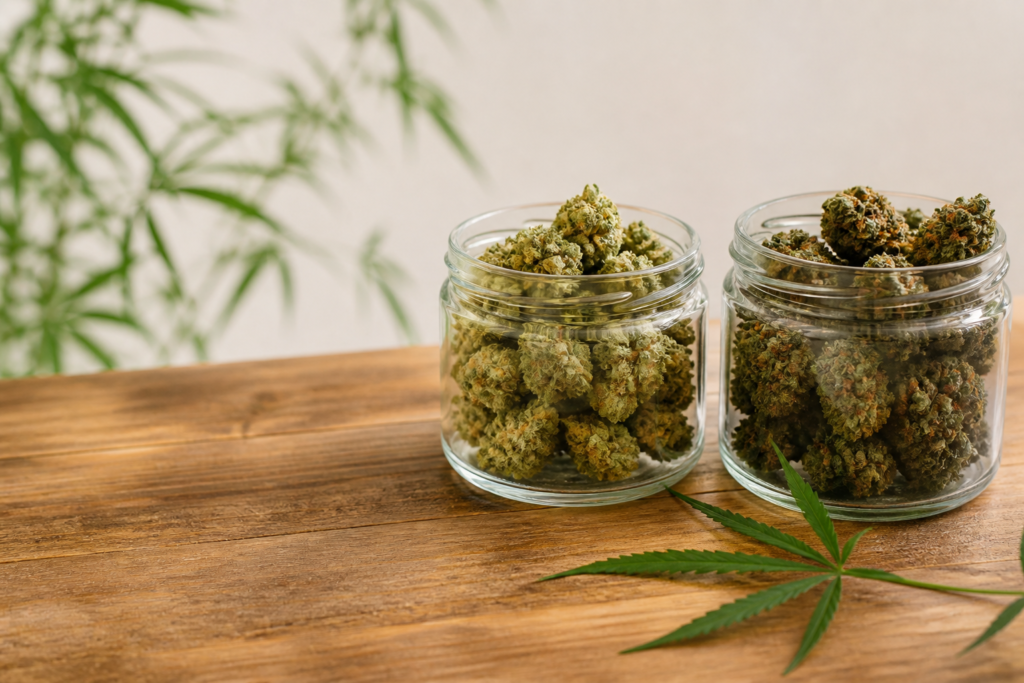
Ask whether the product is flower, a vape, a gummy, an oil, a capsule, a topical, or another format. Route of use matters. An oil intended for oral use should not automatically be treated as a vape formula, and a flower product should not be evaluated using an edible serving label. Ask for the complete product description if the title is vague.
2. What is the complete ingredient list?
Request every ingredient, including carrier oils, sweeteners, flavoring agents, botanical extracts, terpenes, preservatives, and additional cannabinoids. “Natural,” “clean,” and “premium” are not ingredient lists. If an ingredient is unfamiliar, ask what function it serves and whether it is intended for this product format.
3. How much product is in the package?
Confirm net weight, liquid volume, piece count, and total cannabinoid amount. Then ask whether the labeled serving is one piece, one milliliter, one dropper, or another quantity. Package totals and per-serving amounts are different measurements. Our serving-size label guide explains how to avoid comparing unlike units.
4. What are the CBD and THC amounts?
Ask for the actual cannabinoid profile rather than a broad “hemp” statement. Depending on the product, you may need to check CBD, total THC, delta-9 THC, THCA, CBG, or other listed cannabinoids. Ask which units are used and whether the numbers come from the current finished-product batch.
Questions about testing and COAs
5. What batch or lot does this product come from?
A batch or lot number connects the product in the package to production and laboratory records. Ask where the identifier appears on the product and whether it will match the COA. If the seller cannot identify the batch, the quality claim is harder to verify.
6. Can I see the current COA before ordering?
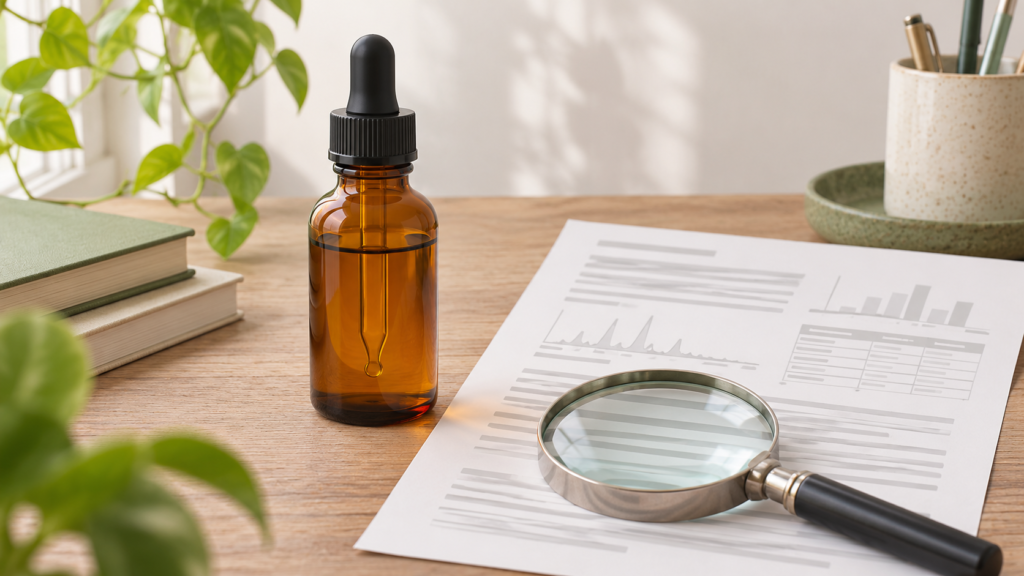
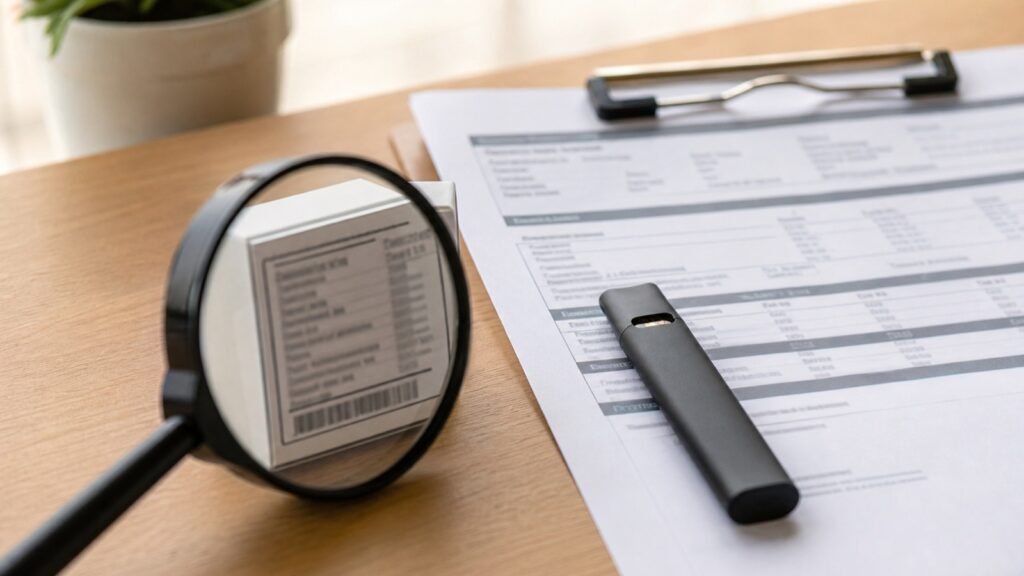
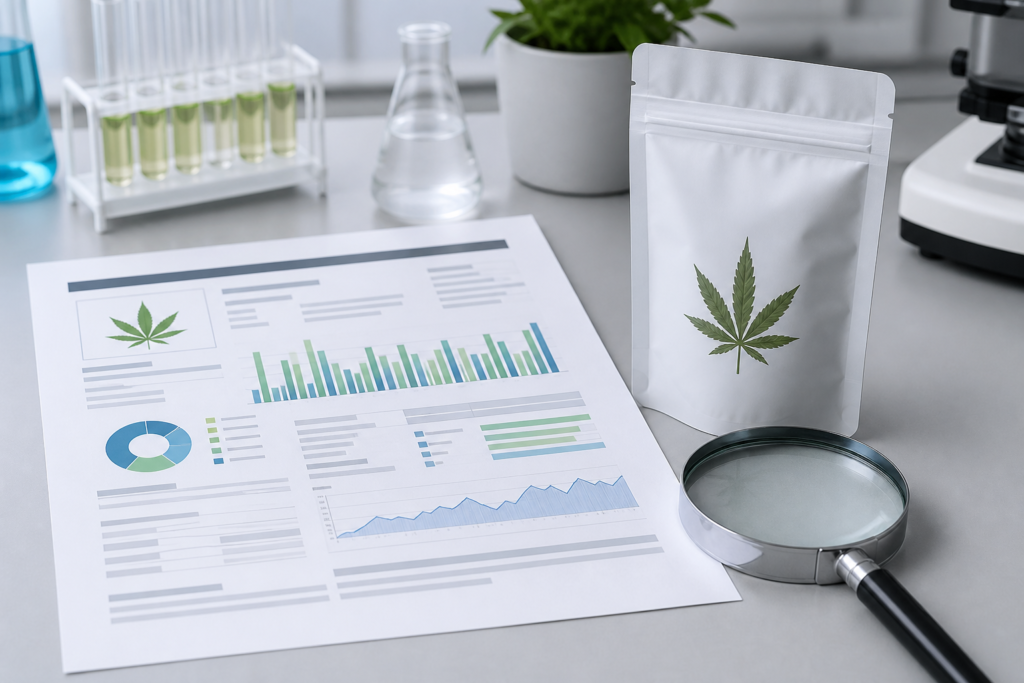
Ask for a readable certificate of analysis before purchase. A report that appears only after checkout makes comparison harder. Use the CBD COA comparison guide to check product identity, batch, test date, laboratory, and testing panels.
7. Does the COA match the finished product?
A raw ingredient report may not prove the composition of a finished gummy, vape, flower package, or capsule. Ask whether the report tested the final product and whether the product name and batch number match. A generic report for a brand is weaker evidence than a report tied to the item being sold.
8. Which safety panels were included?
Ask whether the report includes the categories relevant to the product, such as pesticides, heavy metals, residual solvents, microbes, or mycotoxins. Do not ask for a vague “is it safe?” answer only. Ask what was tested, what method or limit is shown, and what the report does not cover.
Questions about seller experience and transparency
9. Who manufactured and packaged the product?
Ask for the responsible company name, business contact information, and the relationship between the seller, manufacturer, and laboratory. A clear chain of responsibility makes it easier to ask about a mismatch, damaged package, or updated batch.
10. How often are products retested?
There is no single retesting schedule that answers every quality question, but the seller should be able to explain how batch records are maintained. Ask whether new production runs receive new reports and how old COAs are removed or labeled when a batch changes.
11. What happens if the package arrives damaged?
Ask about the process for leaking, broken, missing, or mismatched packages. A professional policy should tell you what to photograph, how quickly to contact support, and whether you should avoid using the item until the issue is reviewed. Keep the packaging and batch number.
Questions about shipping and location
12. Can this exact product ship to my destination?
Do not ask only whether the store “ships nationwide.” Ask whether the exact product, cannabinoid profile, package type, and destination are eligible. Rules can differ by state, local jurisdiction, carrier, and product category. Review the seller’s shipping policy and current destination information before checkout.
13. How are age requirements handled?
Ask whether the seller requires age verification at checkout, delivery, or both. Do not attempt to bypass an age gate. Adult-use eligibility is part of responsible purchasing, not an inconvenience to work around.
14. What are the delivery and return limits?
Ask about delivery estimates, carrier restrictions, failed delivery, returns, and products that cannot be returned after opening. Do not treat a delivery estimate as a guarantee. Save the policy with your order record.
Questions about use, storage, and personal circumstances
Ask for product-specific storage and handling instructions. Flower may require protection from heat, light, and moisture. Vapes require battery and charging guidance. Edibles need careful storage away from children and pets. The CDC explains that cannabis products can have health risks across different methods of use and that THC can impair attention, memory, decision-making, and reaction. Do not drive or operate equipment while impaired.
Do not ask the seller to diagnose a medical condition or recommend a product as a treatment. If you take medication, are pregnant or breastfeeding, have a health condition, or are considering a product for a minor or pet, ask an appropriate healthcare professional instead. The FDA has raised concerns about CBD safety, interactions, and unproven disease claims.
How to evaluate the seller’s answer
Look for specificity, consistency, and evidence. A strong answer identifies the product, points to the relevant label or report, explains the limit of the information, and gives you a way to verify it. A weak answer repeats marketing words, avoids the batch number, changes the subject, or promises a medical outcome.
- Specific: names the exact product and current batch.
- Documented: links a readable label, COA, or policy.
- Consistent: matches the product page and package.
- Bounded: does not claim universal legality, safety, or results.
- Actionable: explains what the buyer should check next.
Copy-and-paste buyer message
You can ask: “Could you confirm the exact product format, complete ingredients, total CBD and THC amounts, current batch number, finished-product COA, laboratory name, testing panels, storage instructions, age requirement, and whether this product can be shipped to my destination? If the package arrives damaged or the batch does not match the report, what is your support process?”
Frequently asked questions
What is the most important question to ask a cannabis seller?
Ask for the current batch number and a COA that matches the exact finished product. Then read what the report actually tested.
Should a seller promise a specific effect?
No. Personal effects vary, and medical promises can be misleading or unlawful. A seller should describe the product and evidence without guaranteeing treatment or results.
Can a seller confirm that a product is legal everywhere?
No. Eligibility depends on the exact product and the buyer’s location. Check current local rules and the seller’s destination policy.
What if a seller will not answer?
Pause the purchase. Missing information about ingredients, batch identity, testing, or shipping is a valid reason to choose a more transparent listing.
Bottom line
The best questions to ask a cannabis seller are the ones that connect marketing language to verifiable product information. Confirm the format, ingredients, cannabinoid amounts, batch-matched COA, seller identity, age rules, shipping limits, storage, and support process. For more buyer education, visit the Herbxmind blog, review batch-matching guidance, and contact customer support when the listing leaves an important question unanswered.
Editorial note: This article is educational content for adults where permitted. It is not medical advice, legal advice, or a guarantee that any product is safe, lawful, or suitable for a particular person.
Start with product identity and availability
The first question to ask a cannabis seller is not “What is your best product?” It is “What exactly is this product, and which batch is currently available?” Ask for the product format, net amount, lot or batch code, current package information, and the date the listing was last reviewed. A product title can remain unchanged while the formula, package, laboratory report, or inventory lot changes.
Ask whether the product page describes the finished retail item or an ingredient used to make it. A report for raw extract, distillate, isolate, or flower input may not describe the final gummy, tincture, vape, or packaged flower. The seller should be able to explain the connection between the product page, package, and current documentation.
If the seller cannot identify the current batch or product format, record that limitation. You do not need to accuse the seller of wrongdoing. You can ask for clarification, choose another listing, or pause the purchase until the information is clear.
Ask for the current COA and batch match
A useful COA question is: “Does this report match the finished product and the lot I would receive?” Then check whether the document identifies the product name, sample description, batch code, report number, issue date, laboratory, and test panels. A generic PDF without a batch or product description may provide background information, but it is not direct proof for every package with the same name.
Ask which panels were performed. Cannabinoids, pesticides, heavy metals, residual solvents, microbiological results, and moisture-related testing answer different questions. A phrase such as “full-panel tested” should lead to the actual panel names and report fields, not replace them.
Ask how the seller handles a changed formula, new lot, corrected report, or discontinued report. A transparent process should explain when new testing is posted and how an older document is marked as superseded. Record the date you checked the report because documents and inventory can change.
Ask precise questions about the laboratory
Ask for the laboratory’s exact legal name, address, report number, and the accrediting body or credential used in the documentation. If the seller uses a laboratory badge, ask for the current scope or official record that explains which methods, analytes, and product matrices were assessed. Accreditation is a scope-based credential; it is not automatically a guarantee for every test or every product.
Compare the laboratory scope with the actual report. If the scope covers one type of chemistry but the report claims a different panel, ask the seller to explain the relationship. “Accredited” should not be treated as a substitute for reading the sample description, method, units, limits, and qualifiers.
A buyer can write “lab identity verified,” “scope located,” and “scope-to-method match unclear” as separate notes. This keeps the conclusion proportional to the evidence and makes follow-up questions easier.
Ask about ingredients and formulation
Request the complete ingredient list for the finished product. For a vape, ask what carrier or base is used, whether terpenes or flavor compounds are added, and whether the formula is designed for the stated hardware. Do not treat a flavor name, “natural” label, or familiar food ingredient as proof of inhalation suitability.
For gummies, tinctures, capsules, and topicals, ask about the serving description, carrier ingredients, allergens, and package amount. Compare the label with the product page because a marketing summary may omit details that appear on the package. If a proprietary blend is used, ask for the actual ingredient names and the role of each ingredient.
Ask whether the formula has changed since the last batch. The answer can affect how you compare a review, COA, package, or previous order. A familiar product name does not prove that the current formula is identical to an earlier purchase.
Ask about labels and package traceability
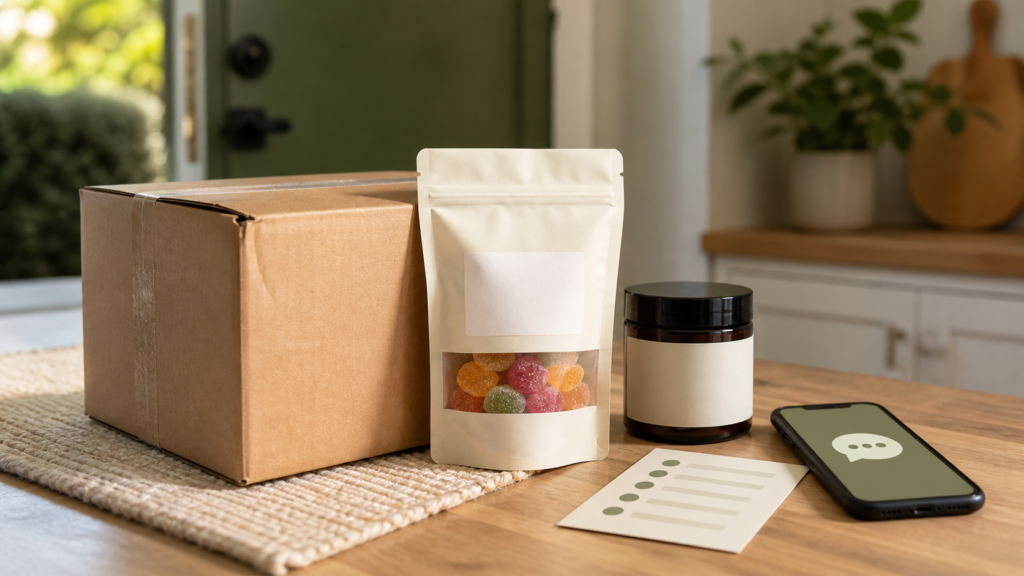
Ask what information will appear on the package: product identity, net contents, batch or lot code, ingredients, serving information, warnings, storage directions, and any QR or report link. A package should be identifiable after delivery without requiring a buyer to remember the product page.
Ask how a buyer should handle a missing label, broken seal, mismatched batch code, damaged package, or product that differs from the order. The seller should provide an official support and return process. Keep the package, packing slip, photos, order confirmation, and tracking information until the question is resolved.
Do not open or use a product that arrives materially different from the listing before asking for instructions. Document the issue with the order number, product name, lot code, and photos. Describe the observable facts rather than guessing about the cause.
Ask about shipping and destination rules
Shipping questions should be specific to the product and destination. Ask whether the seller currently ships the exact product to your location, whether age or identity verification applies, whether a signature is required, and what happens if delivery is missed. Do not rely on a broad promise such as “ships nationwide.”
Hemp-derived THC, CBD, hemp flower, and other cannabis-related products can be treated differently by jurisdiction, and rules can change. A seller’s shipping policy is not a universal legal determination. Check current official information for the destination when the product or route raises a legal question.
Ask how packages are labeled, how privacy is handled, and how a damaged or returned shipment is documented. Use official tracking links and be cautious with unexpected messages requesting payment or identity information.
Ask about customer support and corrections
Ask how to contact the seller after the order and how quickly product-document questions are usually answered. The quality of a response matters more than a promise of “premium service.” A useful response points to a current document, explains a limitation, and avoids medical or legal guarantees.
Ask how the seller corrects a product page, report, or label when an error is found. Look for version dates, correction notes, and a clear way to identify the current document. A corrected report is not automatically a problem; unclear version control is the reason to ask for clarification.
Questions about claims and evidence
When a seller uses words such as pure, safe, premium, best, or lab tested, ask what the word means in measurable documents. “Lab tested” should lead to a current report, not only a badge. “Premium” should be treated as marketing unless the seller explains the product characteristics that support the description.
Do not ask the seller to promise a medical outcome or a guaranteed effect. Ask instead what the label, report, ingredients, and product instructions actually show. If you have a health condition, take medication, are pregnant or breastfeeding, or are considering a product for a minor, speak with an appropriately qualified healthcare professional.
Seller question checklist
- Which exact product and batch are currently available?
- Does the COA match the finished product and package lot?
- Which laboratory performed the work and what is its scope?
- Which panels, units, limits, and qualifiers appear on the report?
- What is the complete ingredient list?
- Has the formula or package changed since the prior batch?
- What label and batch information will arrive with the product?
- What are the current destination, age, identity, and signature requirements?
- What is the procedure for damage, mismatch, or a missing document?
- How are corrected and superseded reports identified?
Save the answers with the date and product URL. This creates a useful record without pretending that a seller conversation independently proves product quality or legality.
FAQ
What is the most important question to ask a cannabis seller?
Ask whether the current product, package batch, and COA match. This connects the seller’s claim to a specific item and document.
Should a seller guarantee that a product is safe?
No. A responsible seller should describe the product, evidence, limitations, and applicable policies without making universal medical or safety guarantees.
What if the seller will not provide a COA?
Record the missing document and consider pausing the purchase or choosing a product with clearer batch documentation.
Can a seller tell me whether a product is legal in my state?
A seller can explain its current shipping policy, but location-specific rules can change. Check current official information for the destination.
Conclusion
Good questions turn a cannabis purchase into a document and label review instead of a marketing comparison. Ask about the exact batch, finished-product COA, laboratory scope, ingredients, package traceability, shipping procedure, and correction policy. Keep the answers dated, separate verified facts from seller claims, and treat unknown fields as unknown. This approach supports more careful adult-use buying without making medical, legal, or guaranteed-effect claims.
Editorial note: Herbxmind publishes adult-use consumer education for US readers. Product formulas, laboratory documents, shipping policies, and regulations can change. This article is not medical or legal advice. Editorial review date: October 30, 2026.
Why a written record helps
Save the product page, label photographs, COA link, and the seller’s answer at the time you order. Pages and inventory can change, while a dated record lets you compare what was advertised with what arrives. Keep the order confirmation and batch information with the product packaging. This is a practical documentation habit, not a guarantee about product quality or legal status. It simply makes it easier to identify missing information, request a correction, or ask a precise follow-up question without relying on memory.
A short pre-order decision rule
Proceed only when the product identity is clear, the label and batch evidence are consistent, the ingredients are understandable, the destination policy is explicit, and the seller answers reasonable questions without making prohibited health promises. If one of those areas remains unresolved, choose a different product or wait for clarification. This rule keeps the purchase decision tied to verifiable information instead of urgency, discounts, or confident-sounding marketing language.