

Herbxmind Editorial Guide · Reviewed July 28, 2026 · For eligible adults only
Responsible Adult-Use Cannabis Buying Checklist
Before ordering, confirm the exact product, your eligibility, the destination rules, matching lab or batch information, packaging and storage guidance, and a way to contact the seller.
Confirm eligibility first
Adult-use products are not for every person or every destination. Review the current requirements before comparing products.
Choose evidence over hype
Product pages, COAs, batch information, and clear support policies are stronger decision inputs than exaggerated promises.
Plan storage and support
Read storage instructions and keep purchase details so you can ask a specific question if needed.
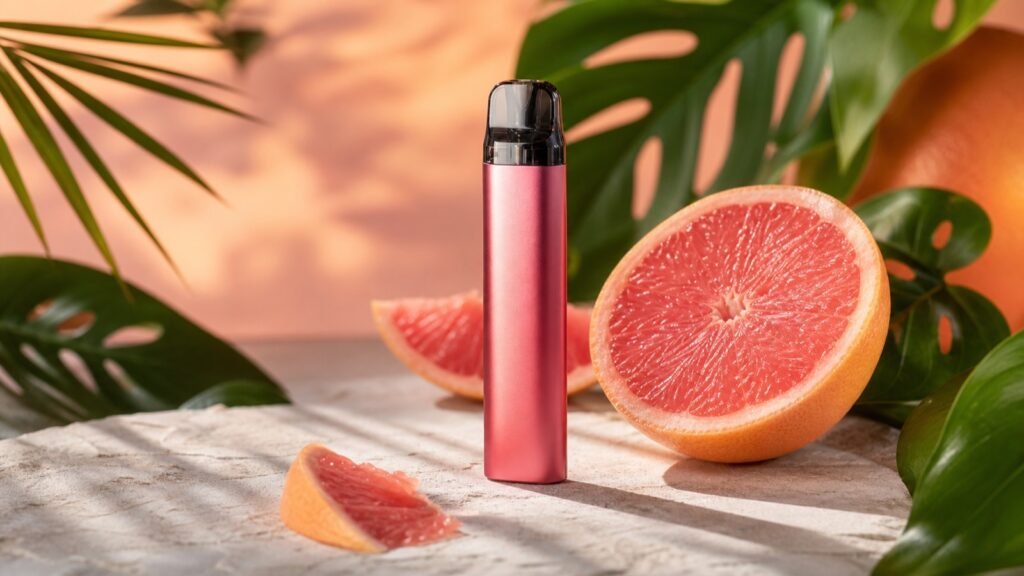
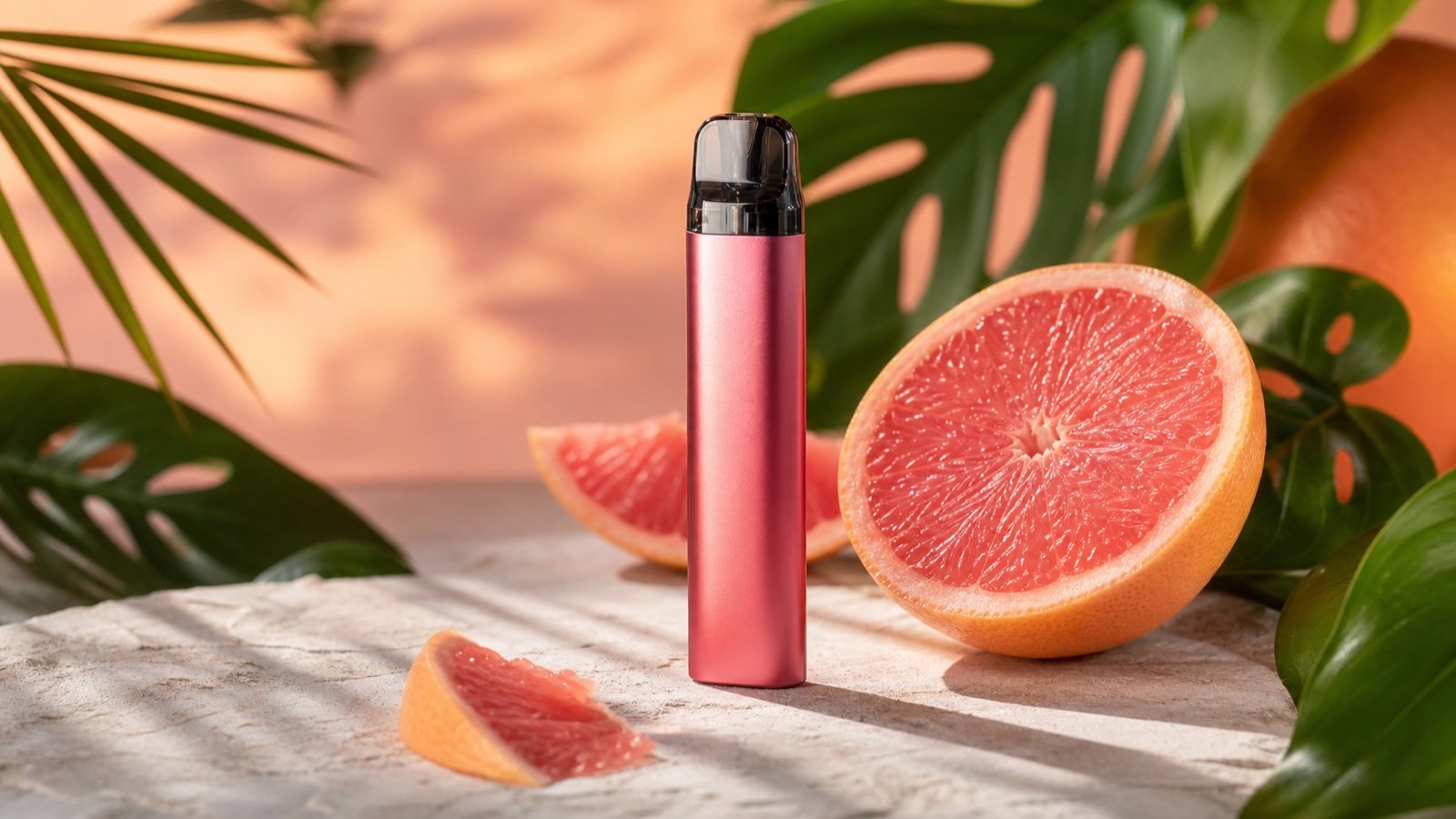
For a product-led next step, review the current Pink Tangie x Tropi Cana Delta 9 V4 2 Gram Vape Boutiq listing after confirming your eligibility and destination requirements.
Frequently asked questions
What is the first step in a responsible purchase?
Confirm that the product category and destination are eligible for you before reviewing price or flavor.
Can a seller guarantee my outcome?
No. A responsible seller describes the product and its documentation without guaranteeing personal effects.
Sources and editorial method
This guide separates product information from legal or medical advice. We reviewed the product-page fields, batch/COA questions, and responsible-use considerations relevant to this topic. For general regulatory context, consult the FDA consumer cannabis information and the USDA hemp program resources. Rules and product availability can change, so verify current destination requirements before ordering.
Compliance note: Herbxmind products are intended only for eligible adults in regions where local law allows access. This article is informational and is not legal or medical advice. Do not drive or operate machinery after using intoxicating products. Follow the product label and local rules.
A responsible adult-use cannabis buying checklist should help a buyer verify the product before placing an order, understand the package after delivery, and keep medical, legal, and marketing claims separate. The exact rules depend on the product and destination, so this checklist is an evidence and decision framework for US adults, not a universal legal or medical rule. Use it with the current product page, label, laboratory documents, shipping policy, and official information for the relevant location.
1. Confirm that the product matches your search intent
Start by writing the question you are trying to answer. Are you looking for a CBD product comparison, a hemp flower label guide, a Delta-9 product explanation, a vape hardware comparison, a COA review, or shipping information? A product page may be optimized around a broad phrase while the package contains a more specific formula. Identifying your intent helps you notice when a listing answers a different question than the one you asked.
Record the exact product title, format, flavor or cultivar, package size, and stated cannabinoid profile. Do not rely on a product photograph or a familiar brand name alone. The same brand may sell oils, gummies, flower, vapes, topicals, and other formats with different ingredients and documentation.
2. Identify the exact format
Format changes how the product should be read and compared. Oils may use milligrams per bottle and suggested servings. Gummies may show amounts per piece and per package. Flower may show net weight and percentage by weight. Vapes combine oil with a cartridge, pod, or disposable device. Topicals may show container size and a full cosmetic ingredient list.
- Write down whether the product is flower, oil, gummy, capsule, vape, topical, or another format.
- Note package count, net weight, volume, and serving size separately.
- Check whether the product includes hardware or requires a separate component.
- Review whether the package is intended for ingestion, inhalation, or external use.
- Do not compare unlike formats by price alone.
3. Read the complete label
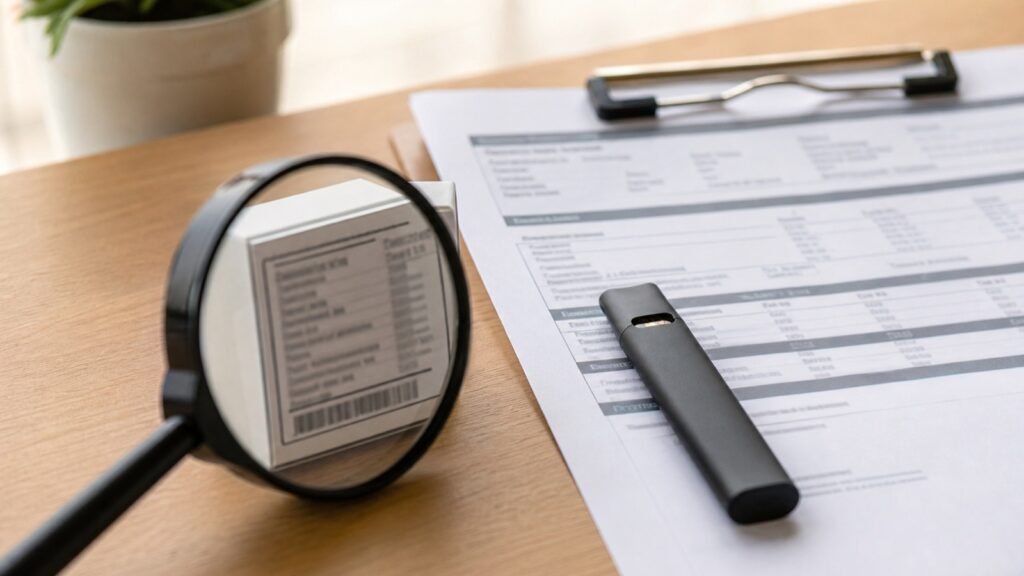
Read the front, back, side panels, and any attached insert. Look for product identity, responsible company, net contents, serving or use directions, ingredients, cannabinoid amounts, warnings, lot or batch information, dates, and storage instructions. A front-panel phrase such as premium, natural, broad-spectrum, or lab tested is not a substitute for the complete label.
Pay attention to units. A total package amount is different from an amount per serving, piece, gram, device, or milliliter. If the label does not explain the basis, do not invent a conversion. Keep the number as stated and ask the seller for clarification if the comparison depends on it.
4. Check the ingredient list
For products other than plain flower, identify carrier oils, sweeteners, flavors, colors, preservatives, and other named ingredients. For gummies, note piece count and serving size. For vapes, review the oil formula and hardware information together. For topicals, read the full external-use ingredient list rather than relying on a CBD-only headline.
Do not infer that an ingredient is absent because it is not highlighted in marketing. If you have allergies, medication questions, a health condition, or other personal concerns, speak with an appropriately qualified healthcare professional. This checklist cannot determine whether a product is suitable for your individual health situation.
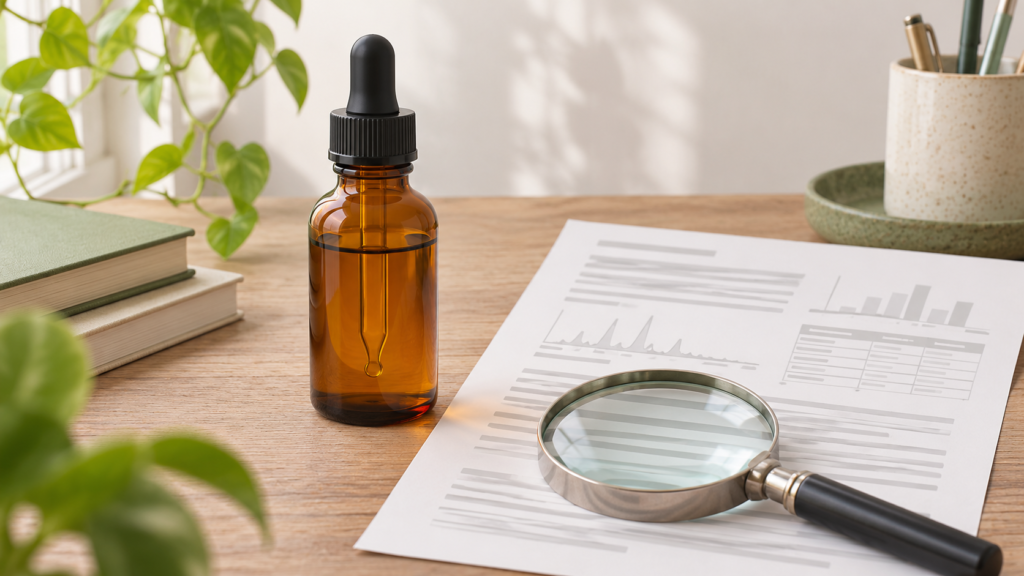
5. Match the COA to the product and batch
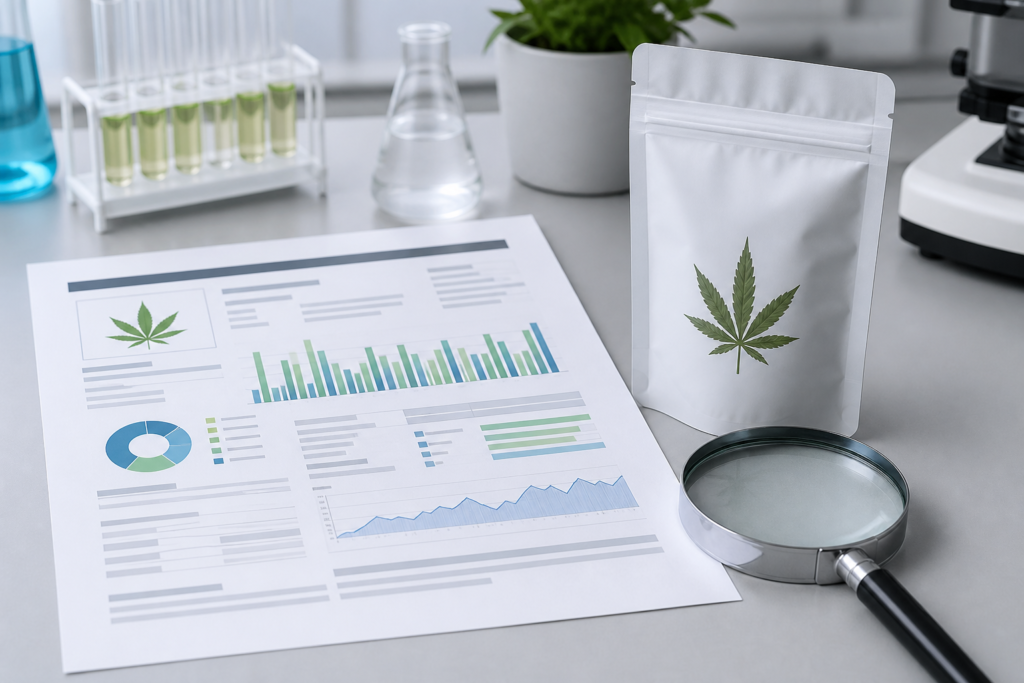
A certificate of analysis is useful only when the document can be connected to the item being considered. Compare the report’s laboratory name, report number, sample name, product form, dates, lot or batch identifier, units, and panels with the product page and package. A report for a raw ingredient is not automatically a report for a finished gummy, vape, tincture, or flower package.
Look for a current report rather than assuming the newest document on a website applies to every product. If multiple documents appear, ask which is current and whether one was corrected or superseded. Save the report URL and access date. Online documents can move as inventory and formulas change.
6. Understand what the laboratory panel covers
Read the panel names and qualifiers, not only a green pass graphic. A report may include cannabinoids, pesticides, heavy metals, residual solvents, microbes, mycotoxins, or other screens. Different product matrices and methods can affect what a panel means. A cannabinoid-only report does not answer contaminant questions, and a contaminant screen does not replace ingredient review.
Terms such as ND, below LOQ, and less than should be read according to the report’s definitions and reporting limits. “Not detected” is not a universal promise that a substance could never be present. Keep the conclusion narrow: the named sample was tested for the named analytes under the stated method and conditions.
7. Review the laboratory identity
Look for a traceable laboratory name, address or contact, report identifier, issue date, and testing information. If accreditation is mentioned, identify the accrediting body and relevant scope. Accreditation can apply to defined methods, locations, or analytes; it does not automatically prove that every product claim is accurate or that every legal question is resolved.
Do not treat a logo, QR code, or certificate design as conclusive evidence by itself. A complete document with identifiers is more useful than a cropped image that cannot be connected to the product or batch.
8. Check the package when it arrives
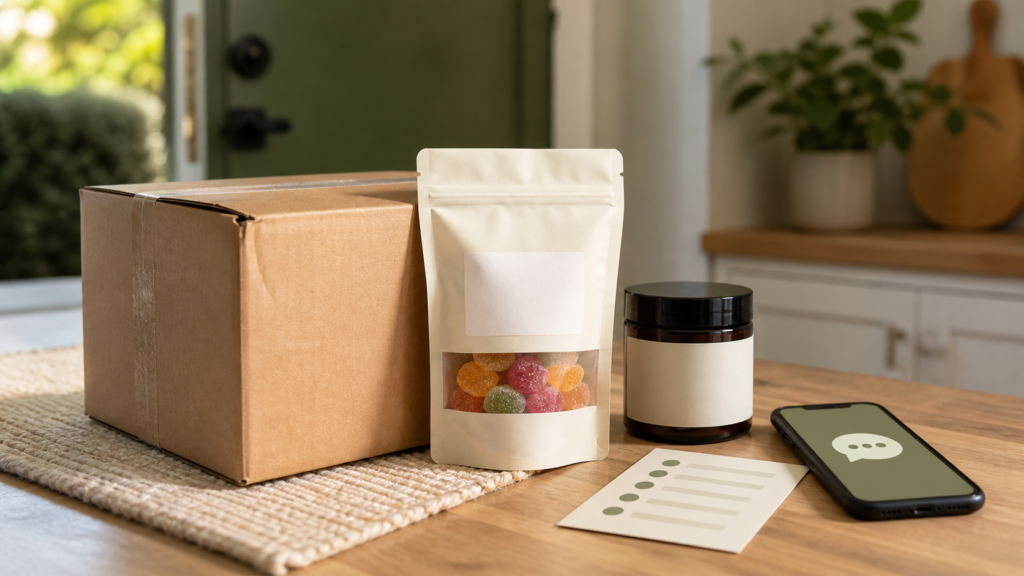
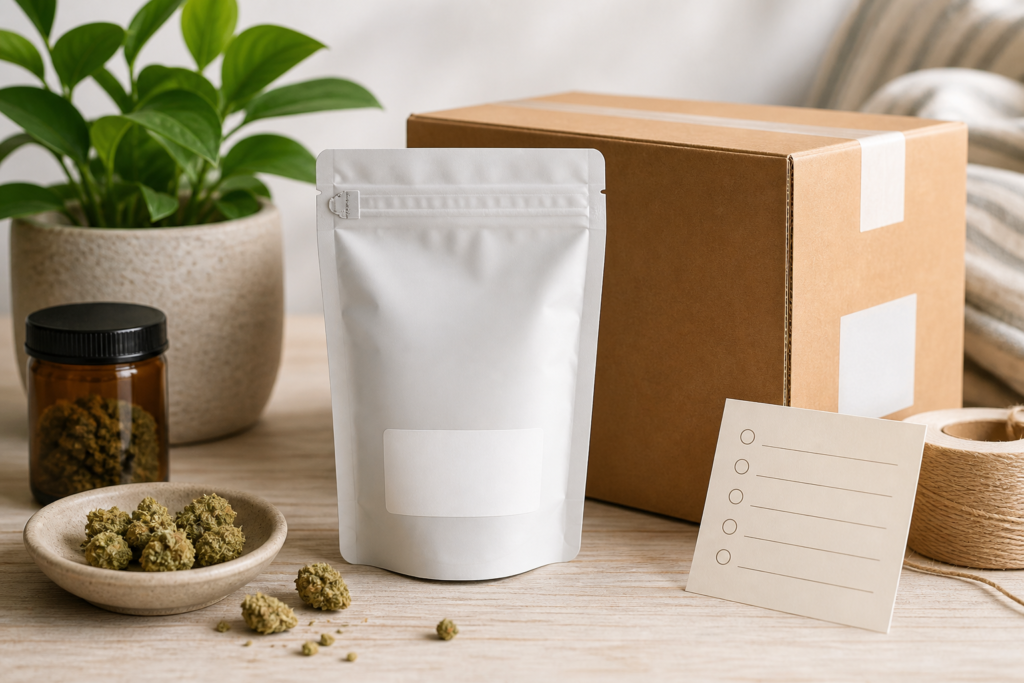
Compare the received item with the order confirmation and product page before opening it. Check the product name, format, size, count, flavor or cultivar, seal, lot or batch, dates, ingredients, and warnings. Photograph the package if a mismatch or damage is visible. Keep the packaging and confirmation until you are satisfied that the item matches what was ordered.
- Check that the outer package is intact and not visibly damaged.
- Match the exact product title and format.
- Record the batch or lot number and dates.
- Compare the label’s amount and serving information with the listing.
- Review ingredients, storage, age, and safety warnings.
- Contact support promptly if a document, label, or product does not match.
9. Review storage and handling instructions
Follow the product’s instructions for heat, light, moisture, air, position, charging, and child-safe storage. Flower, edibles, oils, vapes, and topicals may have different handling requirements. Keep products away from children and pets. Do not modify a sealed disposable, mix a different formula into a cartridge, or use a charger simply because it fits.
Storage instructions are handling information, not a guarantee about freshness, effect, or safety. If a package is damaged, leaking, unusually altered, or missing required information, pause and contact the seller.
10. Compare price on a consistent basis
For a fair value comparison, record total price, package amount, declared cannabinoid content, serving count, and separate hardware cost. A reusable vape may involve an initial battery purchase and later cartridges. A disposable may include the full device each time. A gummy comparison should distinguish total package content from per-piece content.
A precise cost-per-draw or cost-per-effect calculation can be misleading because draw duration, serving choices, and individual response vary. Use a package-based comparison when information is incomplete. Mark estimates as estimates and do not turn them into guarantees.
11. Check seller policies
Read the seller’s age verification, identity verification, shipping, signature, return, damage, and restricted-destination policies. A seller’s decision to ship is not a complete legal determination. Policy language can also change, so note the date when a rule is important to your decision.
Ask what happens if the item is returned, delayed, damaged, or different from the listing. A clear support process is a practical sign that the seller has considered traceability and customer questions. It does not prove product quality, but it makes unresolved problems easier to document.
12. Check current destination rules
Rules can vary by federal, state, and local jurisdiction, product type, cannabinoid profile, amount, destination, timing, and carrier. Check current official information for the location involved. Do not assume that a label, COA, product category, or seller policy establishes nationwide legality.
Do not assume that a product can be carried across state lines or shipped to every state because a similar item is sold online. If the rule is unclear, record the uncertainty and seek current location-specific information. This checklist is not legal advice.
13. Ask the seller precise questions
- Which exact product and lot are currently shipping?
- Does the COA cover the finished product and current batch?
- What does each cannabinoid number mean and which units are used?
- Which safety panels were included and what are their reporting limits?
- Has the formula, packaging, hardware, or serving information changed?
- What should a buyer do if the label and report do not match?
- Which destinations and carriers are restricted today?
- How are corrected or superseded reports identified?
Good answers should point to a label, document, policy, or official source. Be cautious when a seller responds with a guarantee of treatment, cure, diagnosis, universal safety, permanent legality, or a guaranteed effect. Those statements exceed what a normal product description or lab report can establish.
14. Keep an evidence record
Save the product URL, label photograph, COA link, batch information, order confirmation, and important seller answers. Add the dates you accessed the information. This record lets you compare the advertisement with the delivered package and makes a support request more precise if a page changes.
Documentation is not proof of quality by itself. Its purpose is to prevent details from being lost and to keep verified facts separate from assumptions. When information is missing, write “unknown” rather than filling the gap with a confident interpretation.
15. Use a stop-and-review rule
Pause the purchase when the exact product is unclear, the package and COA cannot be matched, the ingredient list is missing, the destination policy is ambiguous, or the seller will not answer a basic traceability question. Uncertainty does not prove a product is defective or unlawful, but it reduces the evidence available for a responsible decision.
Do not let urgency, a discount, a countdown, or a confident headline replace the review. A different product with clearer labeling and support may be easier to evaluate. A careful buyer is allowed to wait.
Common mistakes to avoid
Common mistakes include comparing unlike units, relying on a brand-wide COA, treating a QR code as authentication, confusing a barcode with a lot number, assuming “hemp” answers every THC question, and treating a seller’s shipping policy as a legal opinion. Buyers also sometimes evaluate a product from one screenshot or a product photograph without reading the complete package.
Another mistake is using a lab report as medical advice. Laboratory results describe a named sample and listed panels; they do not diagnose a condition, recommend a personal use plan, or guarantee an outcome. Keep product education separate from professional medical guidance.
FAQ
What is the first thing to check when buying cannabis products?
Confirm the exact format, product identity, package amount, cannabinoid units, ingredients, and destination policy before comparing price or marketing claims.
How important is a matching COA?
It is important because it connects laboratory results to a named product and batch. A report that cannot be matched should be treated as limited or unresolved evidence.
Can a seller guarantee a product is safe or legal?
A seller should explain the product and policy, but universal safety and legal guarantees are not supported by a normal label or COA. Rules and personal health considerations require appropriate current sources.
What should I do if the package does not match the listing?
Do not assume the difference is harmless. Photograph the item, preserve the packaging and order record, and contact the seller for a specific explanation or correction.
Conclusion
A responsible adult-use cannabis buying checklist is a verification process. Identify the exact product, read the full label, inspect ingredients and units, match the batch to the COA, review laboratory panels, compare value honestly, check seller and destination policies, and document what arrives. Keep verified facts, seller claims, and unknown information separate. This approach helps US buyers make more careful decisions without promising medical treatment, universal legality, guaranteed safety, or guaranteed effects.
Editorial note: Herbxmind publishes adult-use consumer education for US readers. Product formulas, laboratory documents, packaging, shipping policies, and regulations can change. This article is not medical or legal advice. Editorial review date: November 7, 2026.
Format-specific quick checks
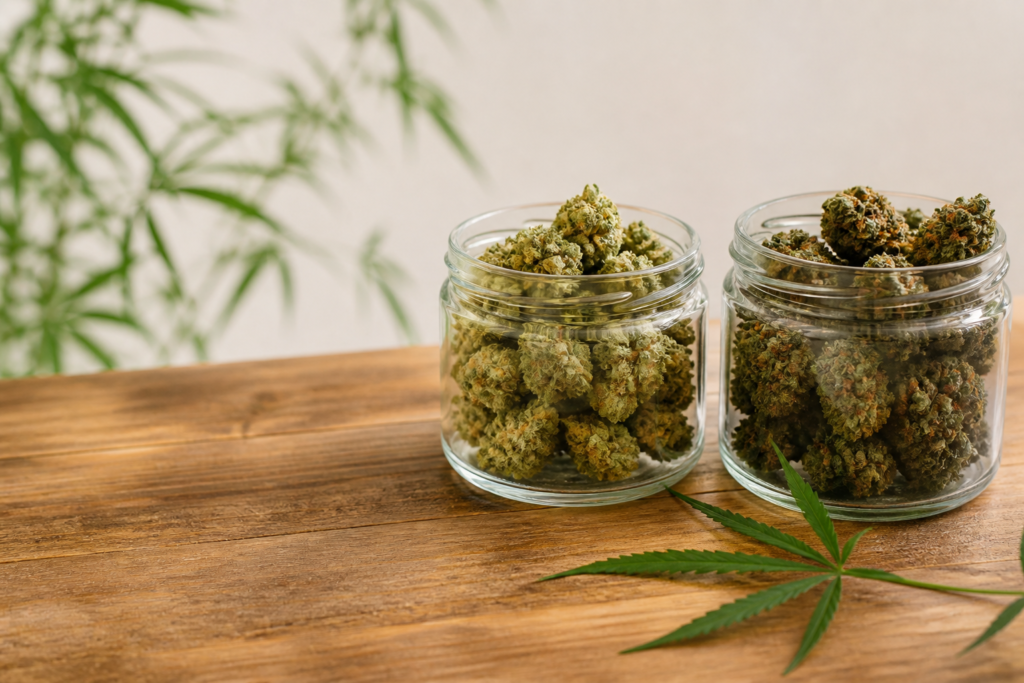
For flower, confirm the net weight, package seal, lot number, storage guidance, and cannabinoid units. Ask whether the report covers the current harvest or package and whether the product page uses percentage by weight or another basis. Do not use a strain name as a substitute for a batch identifier.
For gummies and other edibles, compare piece count, serving size, total package amount, ingredients, flavor, and child-safety instructions. Confirm whether the stated amount is per piece or for the entire package. Store the package securely and follow the seller’s and label’s handling directions.
For oils, check bottle volume, serving guidance, carrier ingredients, dropper instructions, and total cannabinoid amount. Ask whether the COA covers the finished formula or only an ingredient. Avoid comparing an oil’s total bottle amount with another product’s per-serving number.
For vapes, identify the oil volume, device type, battery requirements, cartridge compatibility, ingredients, charging instructions, and batch documentation. Do not assume a cartridge fits every pen or that a disposable can be refilled. If the device leaks or arrives damaged, preserve the package and contact the seller.
For topicals, read the complete external-use ingredient list, container amount, application instructions, and any cosmetic claims. Do not interpret a topical label as evidence that a product treats, cures, or diagnoses a medical condition. Personal skin or health questions should be directed to an appropriately qualified professional.
Review the order before you submit it
Before clicking the final order button, make a short record of the product name, format, size, quantity, price, shipping destination, and any displayed batch or COA link. Confirm that the cart item is the same variation you reviewed. Online stores often place similar flavors, strengths, sizes, or device types next to each other. A final cart review reduces the chance of evaluating one product and ordering another.
Check the age and identity requirements and read the current return or damage policy. If a product is restricted in the destination, do not try to bypass the policy by changing the description or delivery details. A responsible purchase includes the destination information, not only the product information.
Review the delivery after it arrives
When a package arrives, compare the shipping label and contents with the order record. Check the seal, product format, quantity, label, lot, dates, and visible condition. If the seller promised a specific document or product variation, confirm that the delivered item matches that description. Keep the packaging until the review is complete.
If a document is missing, a lot number is unreadable, or a product differs from the listing, take photographs and contact support with the order number and exact question. Avoid using a damaged or mismatched product while waiting for an explanation. A support record should describe what can be seen, not speculate about the cause or make a medical conclusion.
Maintain a simple buyer file
A buyer file can be a folder containing the order confirmation, product page PDF or screenshot, label photograph, COA link, batch number, seller response, and date of purchase. This is especially useful when a product is bought more than once or when a formula changes. A dated record helps distinguish the item you received from a later version on the website.
Do not publish private order information, addresses, or personal identifiers when sharing a product question. Redact sensitive information before sending a document to support or discussing it with another person. The record is for traceability and informed comparison, not for making unsupported accusations about a seller or laboratory.
Use a clear decision summary
At the end of the review, write a short summary with four labels: verified, seller-stated, unclear, and not checked. For example, a buyer might verify the package format and lot, record the seller-stated shipping policy, mark the laboratory scope as unclear, and mark destination law as not checked. This structure prevents a marketing statement from silently becoming a verified fact.
If a key item remains unclear, do not compensate by reading more promotional copy. Ask the question, find a current official source when the issue is legal or safety-related, or choose another product. The checklist is successful when it produces an honest decision, even if the decision is to wait.
Finally, remember that a careful checklist is a repeatable habit rather than a one-time certification. Recheck the information when you buy a different format, a different batch, or a product from a new destination. Labels, COAs, formulas, shipping policies, and regulations can change, so yesterday’s record should not automatically be used as today’s proof.
Continue your review with the Herbxmind lab results guide and the legal disclaimer before making a location-specific decision.