

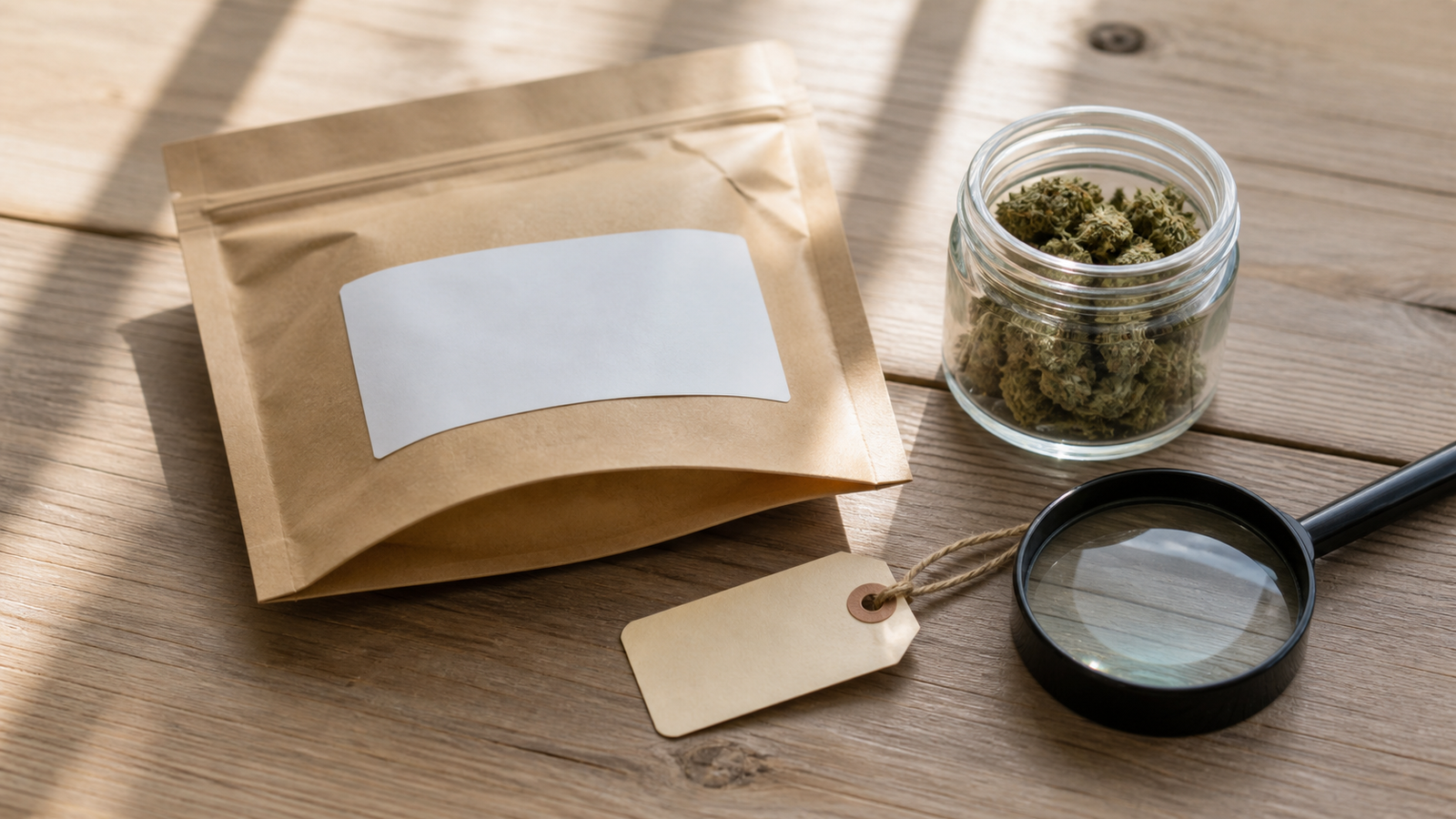
Quick answer: A hemp flower package label is most useful when it helps you match the item in hand to its current product listing and any related documentation. Before buying, compare the product identity, stated net weight, lot or batch reference, cannabinoid wording, required warnings, seller information, and a COA link or record if one is offered. Do not assume that every state requires the same fields or that a familiar term has one national meaning. Keep the package intact until you have checked the information and asked about any mismatch.
This guide is for eligible adult buyers where permitted. It does not tell you whether a product is lawful in a particular place, assess product quality, interpret a result as medical advice, or guarantee shipment. Cannabis and hemp labeling rules can vary by product and destination and may change. The Oregon Liquor and Cannabis Commission is cited as a current, concrete example of a state regulator’s approach, not as a universal labeling rule for Herbxmind products or every U.S. jurisdiction.
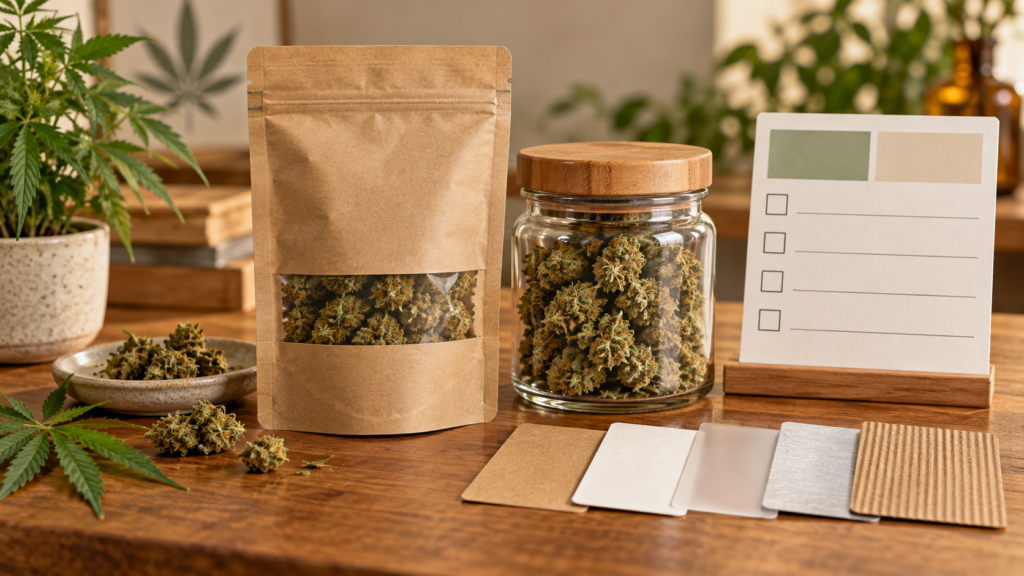
Use this hemp flower package-label checklist
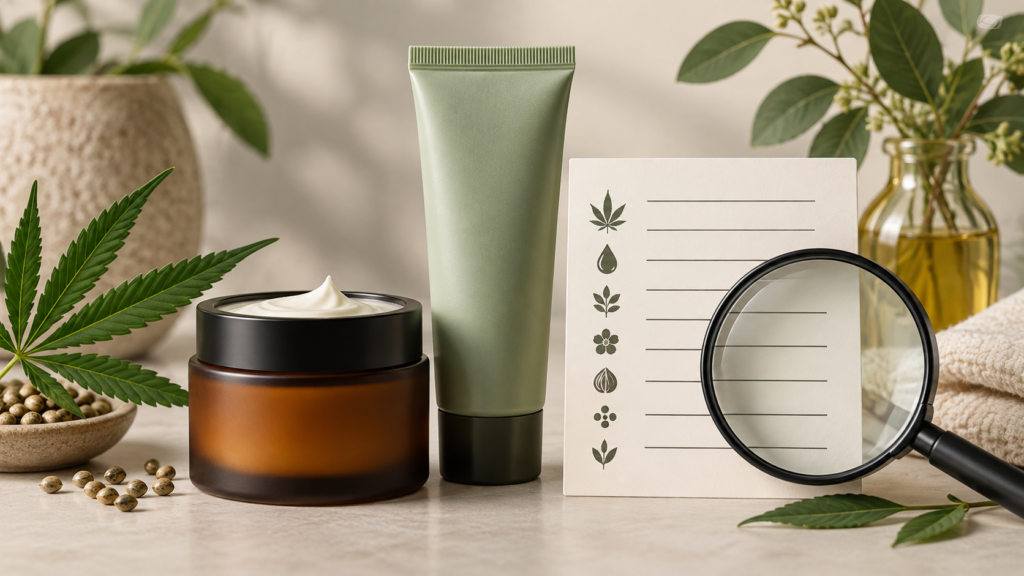
- Confirm the product identity. Read the common product description as printed and distinguish it from a strain, cultivar, flavor, or marketing name.
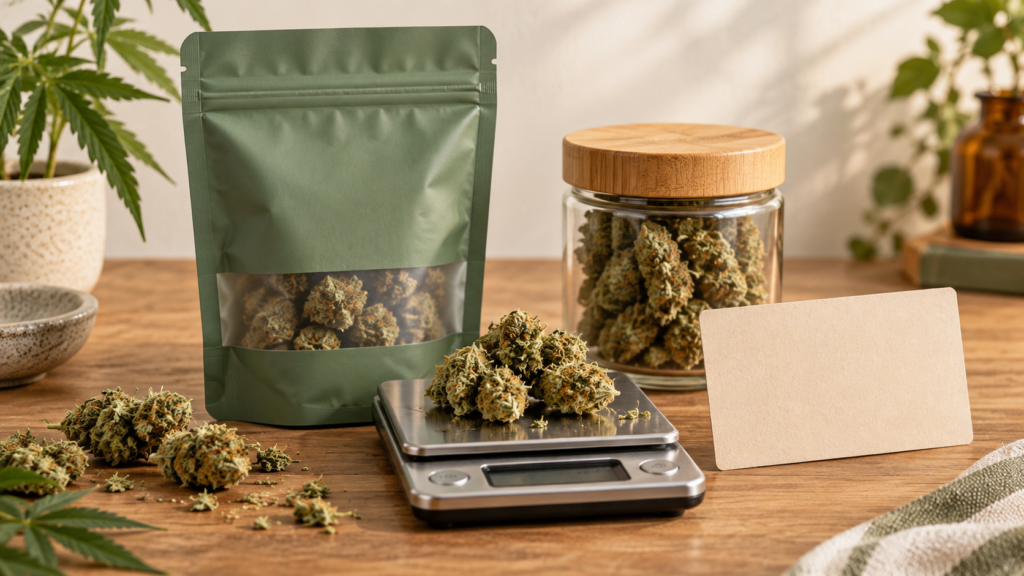
- Check net weight and unit. Note the stated grams, ounces, or other unit; do not estimate the amount from container size or a photo.
- Find the batch, lot, harvest, process, or UID reference. Record the exact characters and look for a matching reference in a seller-provided document.
- Read cannabinoid wording exactly. Do not convert a package claim into a health effect, legality conclusion, or comparison with a different product form.
- Read warnings and adult-use information. They can be jurisdiction- and product-specific. A package warning is important information, not an all-purpose legal answer.
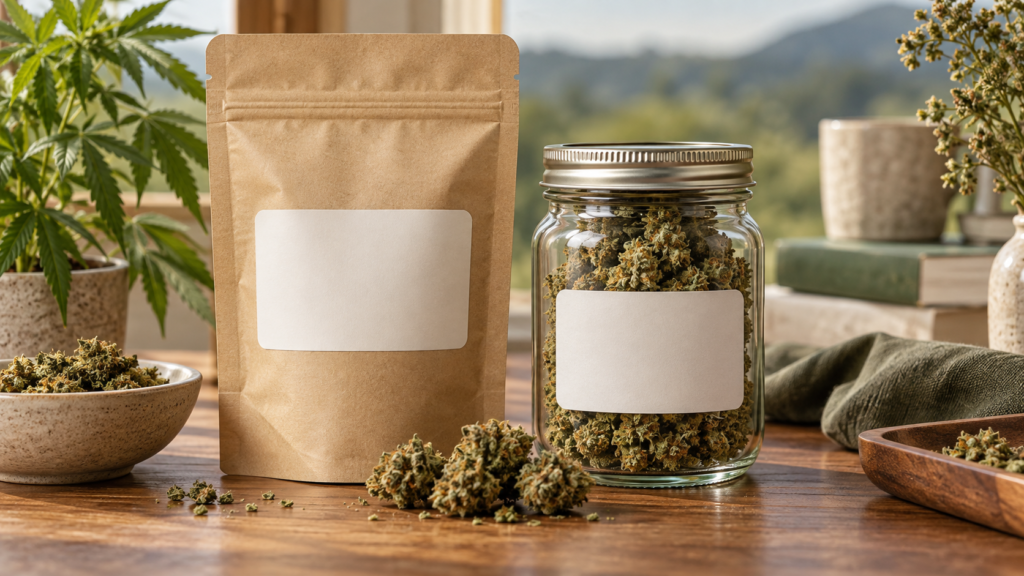
- Inspect the package condition. Check that the seal, label, and required-looking information are legible before opening or transferring the product.
- Compare sources. Check the physical label against the current listing and any COA. Ask a focused question when names, weights, or identifiers do not match.
Start with product identity, not a strain name
Packages often contain several names. One may be a brand, one may be a cultivar or strain name, and one may identify the product type. Those terms can be useful descriptors, but they do different jobs. The buyer question is simple: what item does the package say this is? That is the information to compare with the product page, support response, and any report reference.
The Oregon Liquor and Cannabis Commission’s current packaging and labeling FAQs illustrate this distinction. Its principal display panel requirements call for a product identity that tells a consumer what they are purchasing, separate from the net weight and regulated symbol. Oregon rules are specific to Oregon; they should not be copied onto another state’s product as a national checklist. Still, the underlying comparison habit travels well: identify the item before trying to interpret a cultivar name or visual appearance.
Herbxmind’s flower product-information guide explains why appearance or aroma alone cannot establish a complete quality conclusion. A label creates a clearer starting point because it gives you the seller’s stated description, unit, and identifiers to compare. If the product identity on the package does not line up with the listing, take a photo and contact support before relying on the item.
Read net weight as a declared unit, not an implied potency signal
Net weight tells you the stated quantity of product excluding packaging; it is not a measure of potency, strength, effect, freshness, or compliance. A smaller pouch can hold a different amount than a larger-looking jar, and two products with the same weight can have different stated cannabinoid language, lot references, or storage directions. Keep weight comparison separate from every other kind of product comparison.
Oregon’s current guidance requires the net quantity on the principal display panel of the products it regulates, with U.S. customary and metric units in the cited context. That detail demonstrates why a buyer should read the unit rather than assume it. Your product may be sold under other rules or in another destination. Write down the unit as printed and do not convert it into an unsupported conclusion about what the flower will be like.
When comparing listings, use three columns: printed net weight, package count, and product format. This prevents a common mistake: comparing a one-unit product with a multi-unit product or treating the net weight of a sealed package as a cannabinoid total. For a broader product-document approach, consult the cannabis product-page reading guide.
Why the lot or batch reference matters
A lot, batch, harvest, process, or UID number can serve as an identity bridge. It may help the seller locate a record, answer a support question, or point you to a document that is meant to relate to the package. The code does not carry a universal format and it does not, by itself, prove every claim on a label. Treat it as an exact reference string: photograph it, preserve the package, and compare like with like.
Look for spelling, numbers, separators, and a date or code in the same place across the package and COA. A close but non-identical reference is not automatically an error; sellers sometimes use an internal lot number, a laboratory sample reference, or a parent batch designation. It is, however, a reason to ask a narrow question: “Does package lot [code] correspond to report [code], and what is the relationship?” The COA batch-matching checklist shows how to keep those questions factual.
Use a COA as a matching document, not a blanket promise
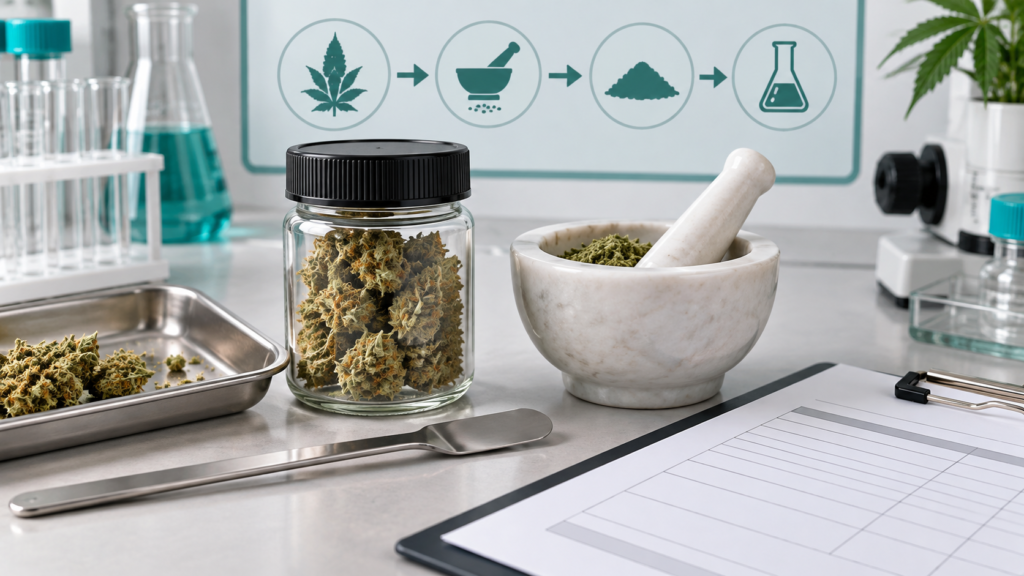
If a product points to a certificate of analysis, begin with document identity. Check the product description, product form, lab name, sample or batch reference, dates, analytes, result legend, and units. A report may describe analysis of the identified sample under the stated method. It does not automatically establish a nationwide legal status, guarantee that every potential issue was tested, or provide medical guidance.
Do not use a generic COA from a product collection as though it were necessarily the report for your unopened package. A current and matching connection is more valuable than a long document with no identifiable link to the item. If the package lacks a code, the COA is unavailable, or a report conflicts with the item description, contact the seller. The cannabis COA buyer checklist covers the report fields to read before making any conclusion.
Warnings, symbols, and legal-awareness language are location-specific
Adult-use warnings and symbols can be required, optional, or formatted differently depending on a product’s classification and where it is offered. Oregon, for example, distinguishes between its universal symbol for marijuana items and an ASTM symbol for certain hemp items in the general marketplace. That example is not a shortcut for deciding what applies to you. It is evidence that a packaging symbol cannot be interpreted without its current regulatory setting.
Use a warning or symbol to identify a question, not to close one. Check the seller’s current compliance and responsible-use information, confirm destination availability before ordering, and read applicable official resources for the relevant state or locality. Herbxmind’s article cannot determine the rules for your address or predict carrier decisions. Rules and availability may change after publication.
Inspect package condition and preserve the label
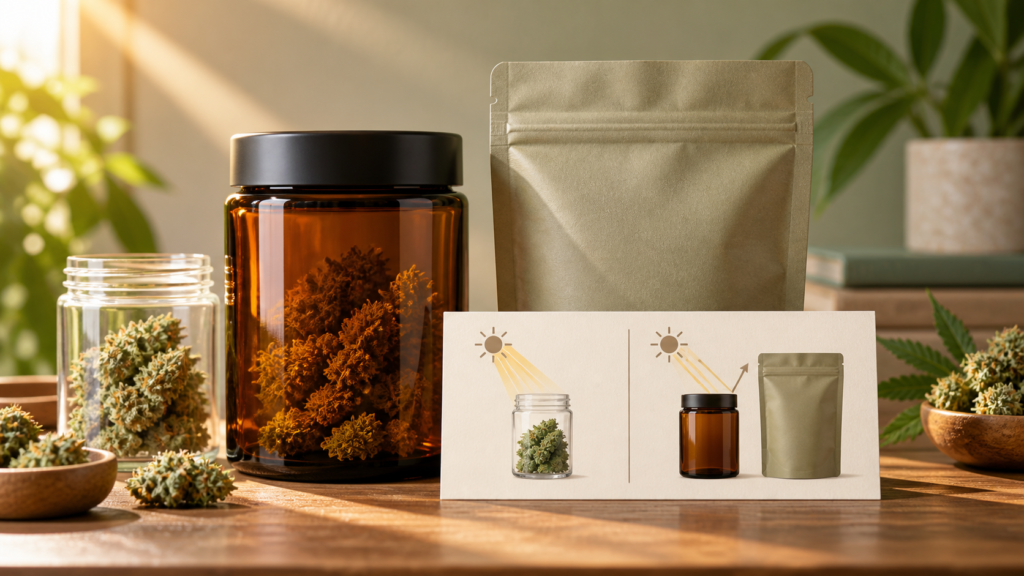
A clear label is only useful while it remains connected to the product. Before opening, inspect the pouch or container for a damaged seal, unreadable code, water damage, missing panel, or product-name mismatch. Keep the original package until you have completed your document check and resolved any question. Do not move flower into an unlabeled container first; that makes it much harder to retain storage instructions, warnings, and product identity.
For ordinary storage after you have confirmed the information, follow the actual package directions. The indoor flower storage guide gives general practical considerations, but it does not override a product’s label or create a safety guarantee. If the package arrives compromised or details are unreadable, take photos and ask support for the order-specific process.
Continue learning
- Explore current flower product information
- Flower product-information guide
- COA batch-matching checklist
- Compliance and responsible-use information
Frequently asked questions
What should a hemp flower package label show?
Required details vary by jurisdiction, product category, and current rules. A useful buyer check begins with the actual package’s product identity, net weight, batch or lot reference, warnings, and any testing or seller information, then compares those details with the product listing.
Does a hemp flower batch number prove quality?
No. A batch or lot number helps identify a production group or document reference. By itself it does not prove a package is safe, legal, fresh, accurately labeled, or suitable for any individual.
Can I use an online product photo instead of the package label?
No. Online images may be illustrative or older than the package in hand. Use the physical package and a current seller response to resolve a product-specific label question.
Bottom line
A hemp flower package label should help you identify and compare the exact item: product description, weight, code, cannabinoid wording, warnings, and linked documentation. It cannot do the work of a current destination check or establish health, safety, or legal conclusions. Reviewed August 16, 2026 against Oregon Liquor and Cannabis Commission packaging and labeling resources as a state-specific example. This is adult buying education where permitted, not legal or medical advice and not a guarantee of product quality, test coverage, availability, or delivery.
Sources: Oregon Liquor and Cannabis Commission, Packaging & Labeling FAQs; Oregon Liquor and Cannabis Commission, Marijuana and Hemp Symbols; OLCC Packaging and Labeling Guide.