

Quick answer: To evaluate CBD vape ingredients, identify the cannabinoid formula, carrier or base, flavoring components, botanical extracts, and any other additives intended for inhalation. Do not rely on a flavor name or “natural” claim. Confirm that the product is specifically designed for vaping, that the ingredient list matches the current product, and that a batch-matched COA is available. If the formula is vague, incomplete, or intended for another route of use, pause before buying.
Understanding CBD vape ingredients helps adult buyers compare more than the milligram number on the front of a package. A vape is both a formula and a device. The formula may contain CBD, other cannabinoids, a carrier, botanical or terpene ingredients, and flavoring components. The device then heats and delivers that formula. A label-first review helps you ask the right questions without turning a retail article into medical advice.
Why the ingredient list matters
Ingredients tell you what the product is intended to contain. They also help distinguish a vape formula from an oral oil, edible, topical, or raw extract. The same word—oil, tincture, extract, or natural flavor—can appear in different product categories, but the route of use still matters. Never assume that a product intended for eating or skin application is suitable for inhalation.
The U.S. Food and Drug Administration warns that many CBD safety and quality questions remain unresolved and that consumers should not assume ordinary retail CBD products are harmless or FDA-approved medicines. Review the FDA consumer update on CBD and cannabis-derived products when reviewing product claims.
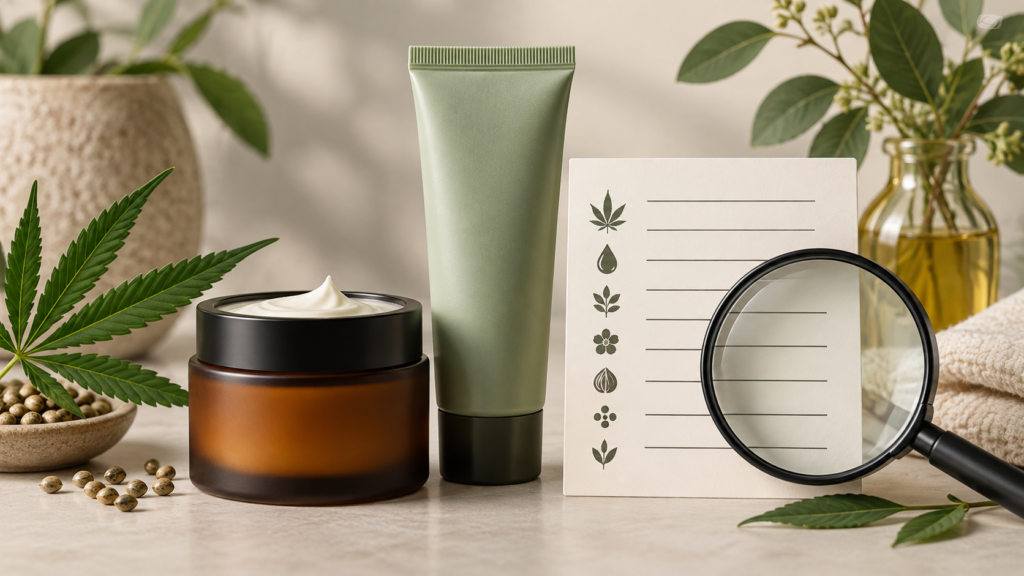
The core CBD vape ingredients to identify
CBD and other cannabinoids
The label should identify the cannabinoid content and amount. Depending on the formula, it may contain CBD alone or a blend that includes other cannabinoids. Check whether the amount is total per device, per cartridge, per milliliter, or a percentage. Ask whether the figures are based on the finished batch and whether a current COA confirms them.
Carrier or base ingredients
A carrier or base helps create a liquid that can be used in the device. The exact ingredient varies by product. Ask the seller to identify it clearly and explain whether the formula is designed for inhalation. Avoid filling a vape with a product simply because its texture appears similar to another vape liquid.
Flavoring components
Flavor names such as fruit, mint, dessert, or botanical profile are not ingredient lists. Ask which flavoring components create the described profile and whether they are intended for the vape format. A familiar food ingredient is not automatically appropriate for inhalation. If the seller cannot provide a complete answer, choose a listing with better disclosure.
Botanical extracts and terpenes
Some formulas include botanical extracts or terpene ingredients. Check whether the product identifies them individually or only uses a broad “botanical blend” phrase. A clear list helps you identify potential sensitivities and compare two formulas accurately. Do not treat a plant name as proof of a particular personal effect.
Ingredient list versus COA
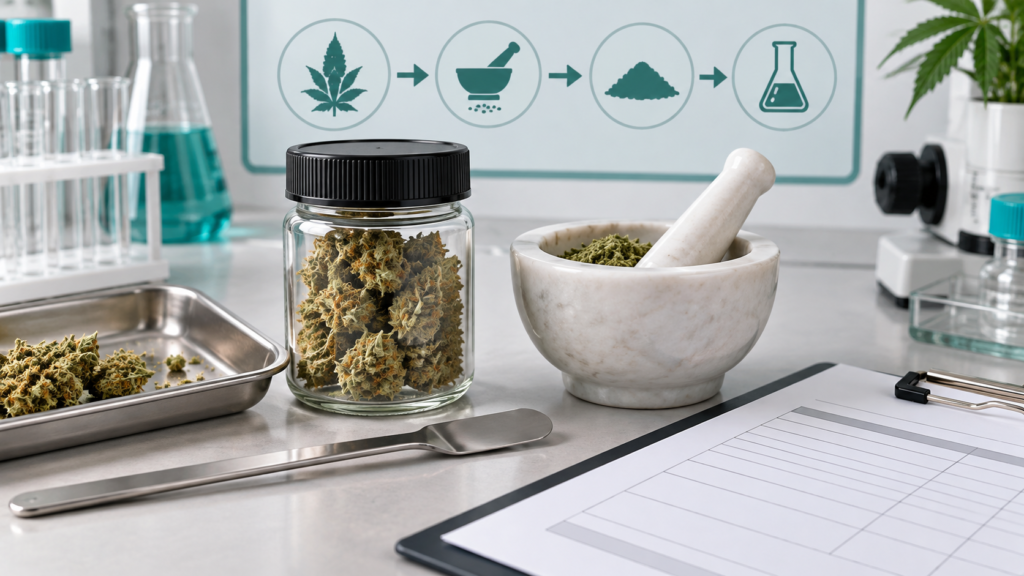
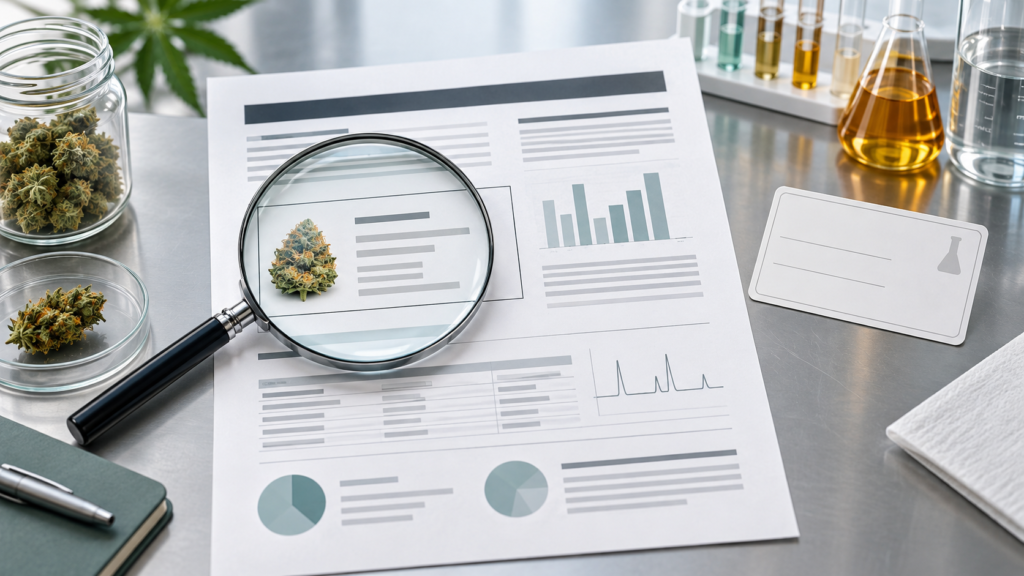
The ingredient list describes the intended formula, while a COA reports the results of a tested sample. You need both. The report should match the product format, name or code, batch number, and current production run. The CBD COA guide explains how to compare those fields.
Read the cannabinoid table and the available safety panels. A COA may test cannabinoids, pesticides, heavy metals, solvents, microbes, or other categories, but the exact scope varies. “Not detected” refers to the stated method and limit; it is not a universal statement that every possible substance is absent. Describe the report in the same limited terms.
Ingredients that require extra caution
Be cautious with proprietary blends, unnamed flavor systems, vague “essential oil” statements, and formulas that do not explain the intended route of use. The word “natural” does not answer what the ingredient is or how it behaves when heated. Ask for the complete formula and product-specific safety information.
Vitamin E acetate became a major concern during the 2019 vaping-related lung injury outbreak associated primarily with THC-containing products, according to CDC information. This does not mean every CBD vape contains it, but it does show why buyers should not treat ingredient disclosure as optional. Read the CDC’s cannabis FAQ and seek medical help for concerning symptoms after vaping.
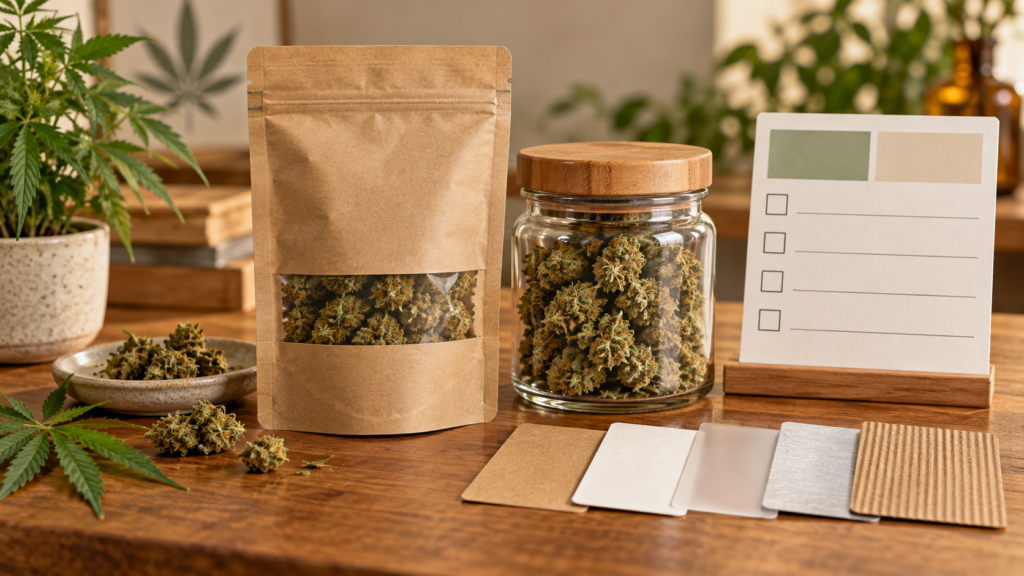
How to compare two CBD vape formulas
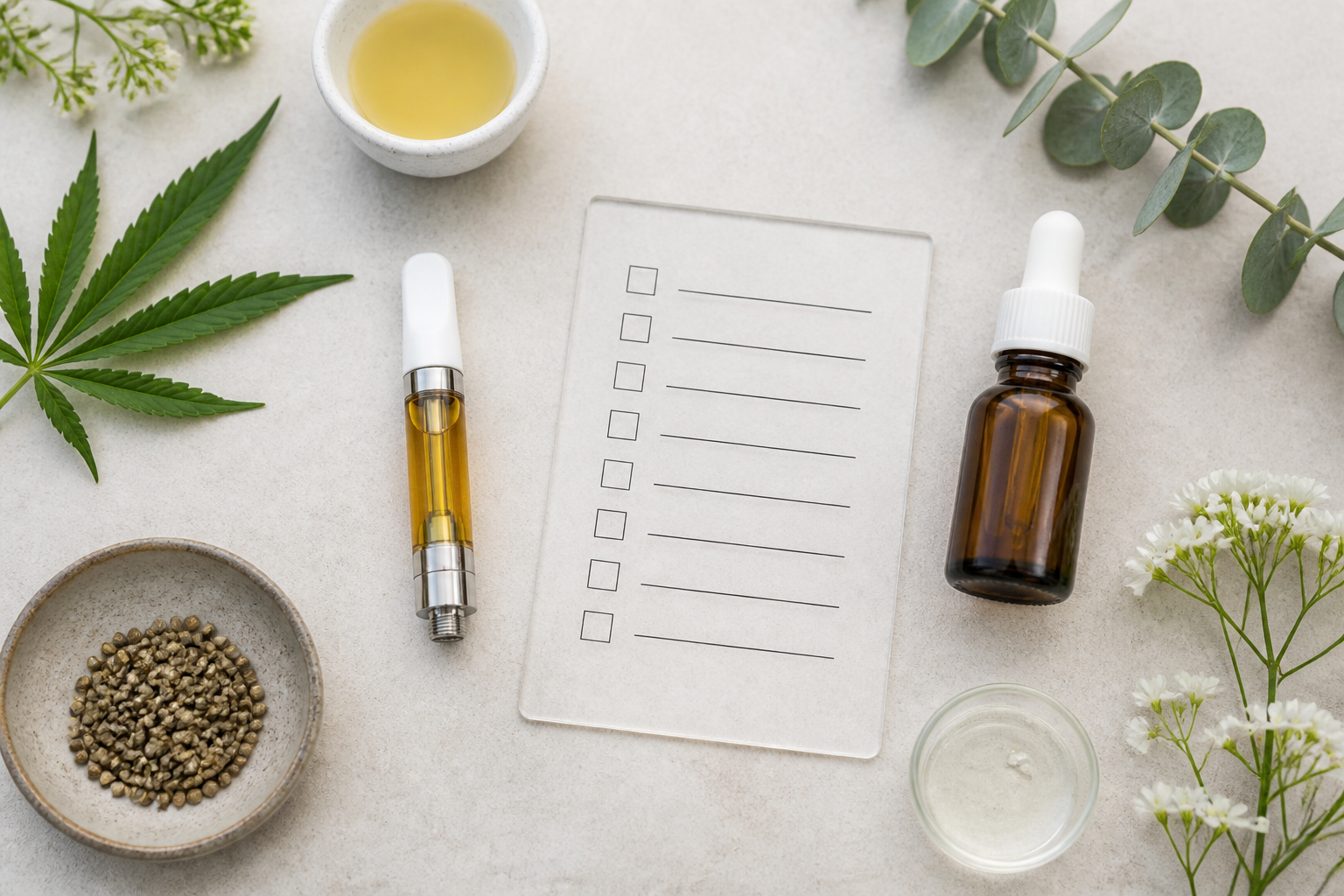
- Write down every listed ingredient.
- Confirm the product is designed for inhalation.
- Compare total liquid amount and total CBD using the same units.
- Check total THC and other cannabinoid information.
- Identify the batch number on the product page or package.
- Match each product to its current COA.
- Compare the available testing panels.
- Review the hardware, charging, storage, and disposal directions.
- Confirm the product can be shipped to your destination.
Ingredient transparency and product hardware
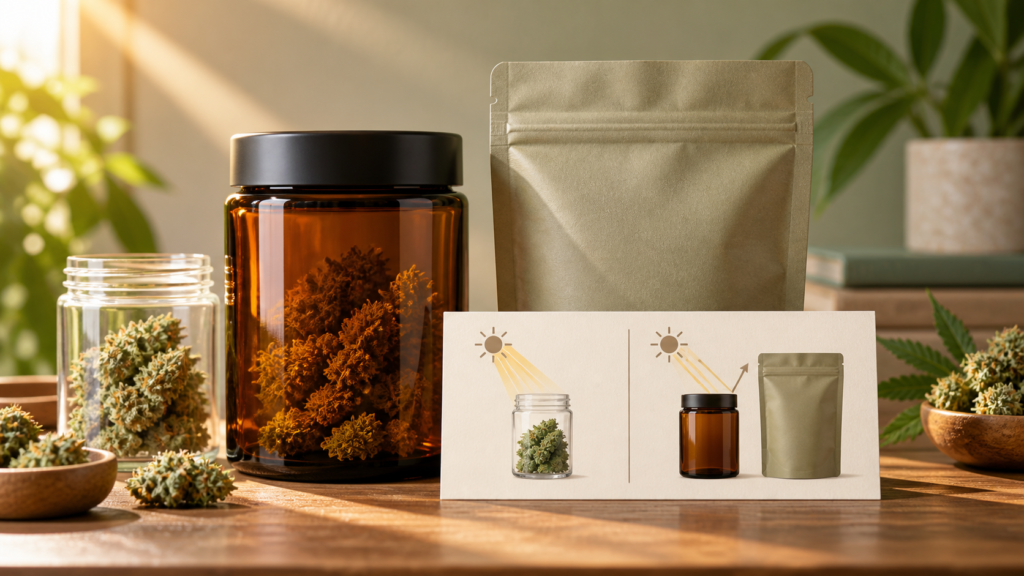
A formula cannot be separated entirely from the device. Check whether the product is disposable, rechargeable, cartridge-based, or refillable. Do not use a cartridge with an incompatible battery, and do not modify a sealed device. Follow charging instructions and stop using a device that leaks, swells, becomes unusually hot, or produces a burnt smell.
Keep the ingredient list and batch record with the device. If the product arrives damaged, photograph it before use and contact the seller. Our CBD vape batch-information guide explains which details should match across the product page, package, and report.
Common ingredient-label mistakes
- Comparing flavor names instead of complete ingredient lists.
- Assuming “hemp” identifies every cannabinoid in the formula.
- Using an oral CBD oil in a vape device.
- Ignoring the carrier or base because CBD is the headline ingredient.
- Assuming a COA for another batch proves the current product.
- Interpreting “natural” as a safety certification.
- Believing a higher CBD number automatically means better quality.
- Overlooking battery, storage, and disposal instructions.
Health, age, and compliance boundaries
CBD vape education should not promise relief, sleep, pain reduction, anxiety treatment, or disease prevention. The FDA has warned about unproven CBD claims and explains that ordinary retail CBD should not be confused with an approved prescription medicine. The CDC explains that health and safety risks exist across cannabis use methods and that THC can impair attention and decision-making.
Adults should follow age requirements, avoid driving while impaired, keep products away from children and pets, and ask a healthcare professional about medication interactions, pregnancy, breastfeeding, or existing health conditions. The seller can explain the product, but should not diagnose or prescribe.
Shipping and destination checks
Ingredient transparency does not make a product legal or shippable everywhere. Check the exact cannabinoid profile, product type, destination, carrier rules, and current local requirements. Review the seller’s shipping policy and regional availability guide before checkout. Rules can change, so do not rely on an old screenshot or a general claim that all hemp products are allowed.
Questions to send the seller
Ask: “What are the complete CBD vape ingredients, including carrier, flavor, botanical, and terpene components? Is this formula specifically intended for inhalation? What are the total CBD and THC amounts? What batch number and current finished-product COA apply to this device? Which testing panels were included, and what are the charging and storage instructions?”
Frequently asked questions
Is every CBD oil suitable for vaping?
No. Use only a product specifically designed and labeled for inhalation. Ask the manufacturer when the route of use is unclear.
Does a natural flavor mean a vape is safe?
No. “Natural” does not identify the complete formula or prove how an ingredient behaves when heated and inhaled.
What is the most important ingredient check?
Confirm the complete formula and the intended route of use, then match the finished product to a current COA.
What if the ingredient list and COA do not align?
Pause the purchase or use, save the package and report, and ask the seller to explain the difference.
What a transparent product page looks like
A strong CBD vape page places the ingredient list, cannabinoid amounts, device instructions, batch reference, COA, storage guidance, and destination limits close to the purchase decision. It does not hide the formula behind a flavor selector or use a generic lab badge as the only evidence. If you can answer those questions without sending private information or waiting for a vague promise, the page is easier to evaluate responsibly.
Bottom line
When documentation is incomplete, the safest comparison is to pause rather than fill the gaps with assumptions. A clear ingredient list and a readable batch record should be basic parts of an adult buyer’s review.
Keep a copy of the product page and COA with your receipt so you can compare the package when it arrives.
CBD vape ingredients should be clear, product-specific, and supported by a batch-matched report. Compare cannabinoids, carrier, flavoring, botanical components, hardware, testing scope, storage, and destination rules instead of relying on a flavor name or milligram headline. Visit the Herbxmind blog, review the CBD vape collection, and contact support when the formula or documentation is incomplete.
Editorial note: This article is educational content for adults where permitted. It is not medical advice, legal advice, or a guarantee that any product is safe, lawful, or suitable for a particular person.