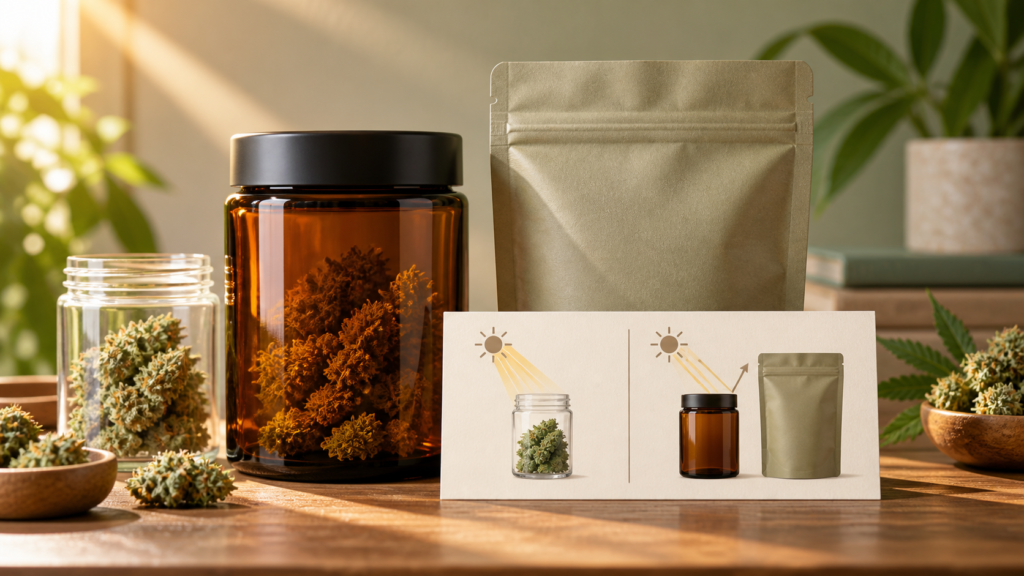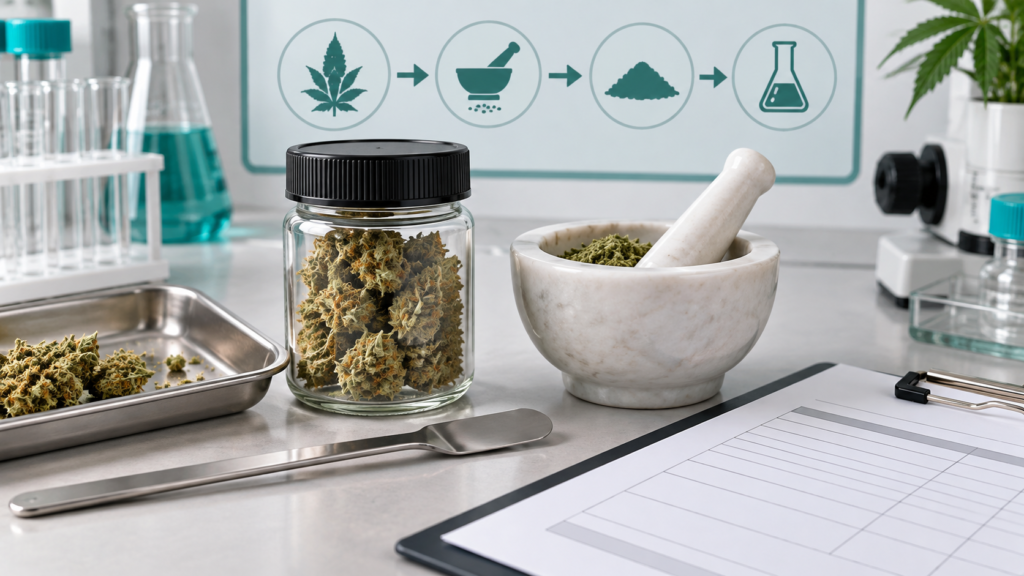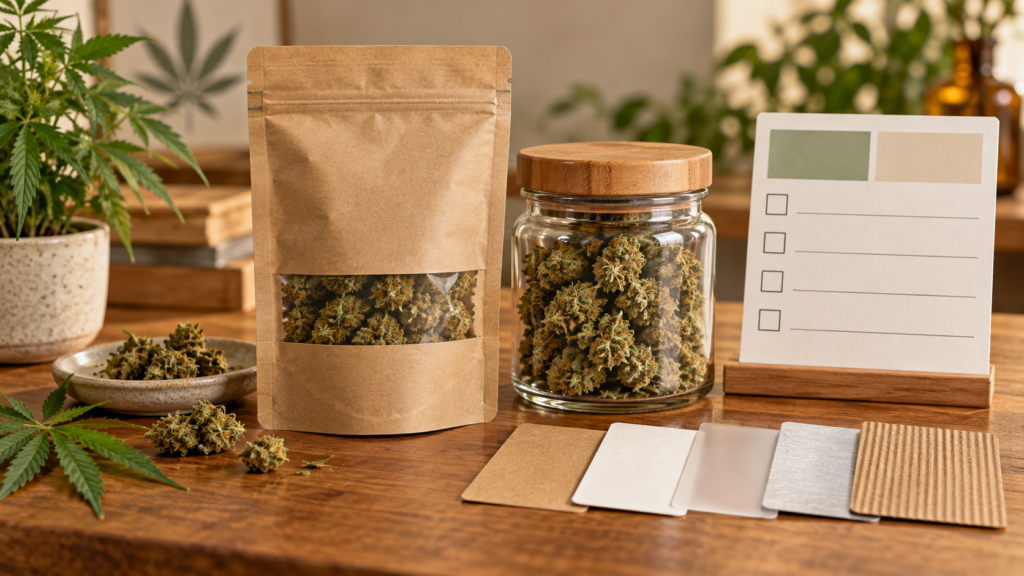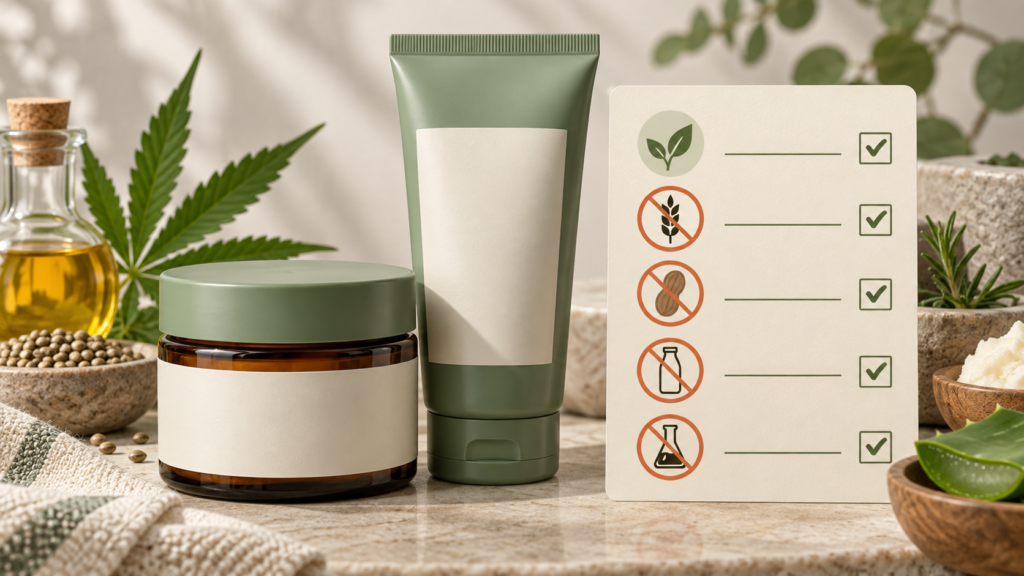


Quick answer: A hemp-derived THC label should identify the cannabinoid amounts, product format, serving definition, ingredients, batch information, and any relevant testing link. Read Delta-9 THC per piece or serving separately from total THC per package, then check age and destination requirements. “Hemp-derived” is a source description, not a universal legal conclusion.
People searching for a hemp-derived THC label are usually trying to understand how a product identifies its cannabinoids without confusing a package total with one piece or serving. Gummies, tinctures, vapes, and other products can present amounts in different units. This guide helps adult shoppers distinguish a printed amount from a personal recommendation. It does not provide dosing or medical advice.
Start with like-for-like products
How to find THC per serving
Delta-9 gummies label checklist
Hemp-derived THC label checklist
- Identify each cannabinoid and the unit used on the label.
- Separate THC per piece, per serving, and per package.
- Read the serving definition and number of pieces.
- Check ingredients, age language, storage, and destination information.
- Match the batch or lot code to a current COA and read its limitations.
Hemp-derived THC products can be subject to different state or local rules, and those rules may change. Review current official information for the destination and the seller’s policy. Compare the Delta-9 gummy label guide and regional availability guide for related checks.
- Find Delta-9 THC per gummy and per serving.
- Record the number of gummies and total THC per package.
- Check whether one serving is one piece or multiple pieces.
- Review ingredients, allergens, age language, and storage directions.
- Match the lot code to a current COA and note testing limitations.
Keep CBD and Delta-9 THC amounts separate when comparing products. A label that shows only “total cannabinoids” without breaking out individual cannabinoids is difficult to evaluate. See the CBD gummy serving-size guide and COA QR-code guide for related checks.
Locate the serving size first. It may be defined as one piece, a measured volume, a portion of a package, or another label unit. Then find the THC amount attached to that serving and the total amount in the container. If the label reports only total THC, do not divide it unless the number of servings is clearly stated.
- Write down the serving definition exactly.
- Record THC per serving and total THC separately.
- Record CBD and other cannabinoids in separate fields.
- Match the batch or lot to a current COA when available.
- Check whether the product page uses the same units as the package.
Compare the THC label comparison with the COA guide and the batch-number guide.
Write down the product form, net volume or weight, number of pieces, serving definition, and declared CBD or other cannabinoid amount. A gummy may report milligrams per piece, a tincture may report milligrams per milliliter, and flower may use a weight basis. Do not compare those figures until you have identified what each number represents.
Then record the total container price, shipping charge, discount conditions, subscription terms, and any minimum order. A banner price may apply only to a first purchase or a multi-pack. For shopping context, review all products, the vape and gummy comparison, and the tincture and gummy guide.
Build a simple comparison table
- List the out-the-door price, including shipping and taxes shown at checkout.
- Record total servings and the label’s serving definition.
- Record declared CBD, THC, and other cannabinoid amounts separately.
- List ingredients, allergens, flavors, and carrier materials.
- Match the batch code to a current COA when available.
- Note return, replacement, age-verification, and destination policies.
Cost per serving can be calculated as the total product cost divided by the labeled number of servings, but that figure is only a shopping metric. Cost per milligram can also be calculated when the label clearly identifies the named cannabinoid and unit. Do not calculate from a vague “hemp extract” number unless the seller explains exactly what it contains.
Read the label before comparing value
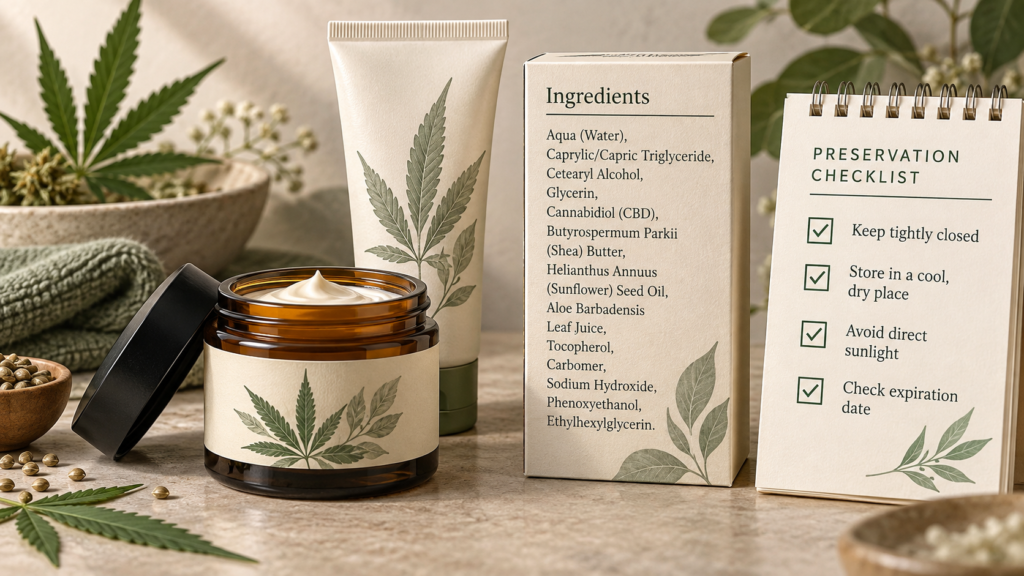
Check whether the front-panel amount refers to CBD, total cannabinoids, total hemp extract, or the entire container. Compare the Supplement Facts or product facts panel with the complete ingredient list. A product with more ingredients is not automatically worse, and a shorter ingredient list is not automatically better; the useful question is whether the formula is clear for your own criteria.
For label vocabulary, read the CBD oil label guide, the gummy ingredient guide, and the hemp seed oil comparison. These explain why package size and cannabinoid amount should be kept in separate notes.
Include evidence quality in the comparison
Price does not tell you whether a product page is traceable. Check for a current batch report, clear lab identity, product description, report date, and matching lot code. A COA supports information about the submitted sample; it does not prove every future batch or guarantee a personal outcome.
If one product costs more but provides a clear finished-product report, complete ingredients, and transparent policies, that may be a better information value for a buyer who prioritizes traceability. It is still your decision, and no price comparison can establish that a product treats, cures, prevents, or diagnoses a condition.
Account for shipping, returns, and policy friction
Calculate the delivered total rather than comparing product-page prices alone. Check where the seller ships, whether adult signature or age verification applies, how damaged or refused parcels are handled, and how long a return request remains open. Read the shipping policy, regional availability guide, and return-policy guide.
Policies and rules can vary by destination and change over time. A seller’s ability to accept an order is not a universal statement that possession, use, or transport is lawful everywhere. Check current official information for your location when applicable.
Common price-comparison mistakes
- Comparing a container’s total milligrams with another product’s per-serving amount.
- Counting a temporary coupon as the normal price.
- Ignoring shipping, taxes, subscriptions, or minimum-order rules.
- Assuming “full spectrum” or “premium” proves better value.
- Using an old COA after a formula or batch changed.
- Treating more milligrams as proof of a stronger or better product.
The FDA notes that many cannabis-derived retail products have not been evaluated as general medicines. Read the FDA approval facts; the CDC’s health-effects overview provides additional public-health context.
A practical scorecard
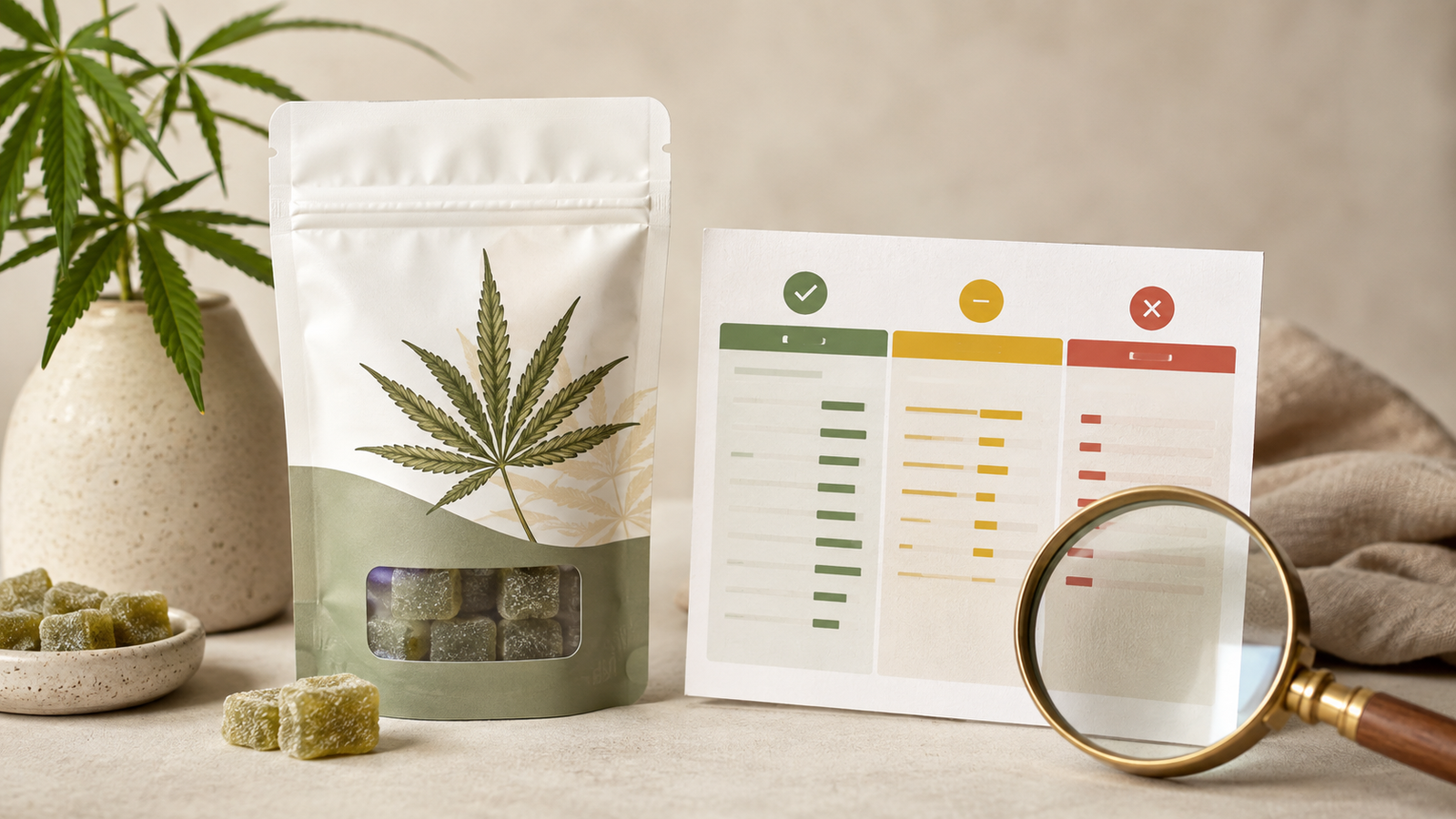
Use five columns: price transparency, label clarity, batch evidence, policy clarity, and format fit. Give each column a simple pass, needs clarification, or unknown status. This avoids false precision. A product does not need to “win” every category; you can pause when an important field is unknown.
Save the comparison with the date checked. Revisit it if the seller changes the package, report, formula, subscription terms, or shipping destinations. An old price comparison is not a permanent product review.
FAQ
Is price per milligram the best metric?
It can help when the named cannabinoid amount and unit are clear, but it does not measure evidence quality, ingredients, policy fit, or personal suitability.
Should I choose the cheapest product?
Not automatically. Compare delivered cost, clear labeling, current batch evidence, ingredients, and policies.
Does a larger package provide better value?
Only if the amount, servings, formula, report, and expiration or freshness information are clear and useful for your criteria.
Conclusion
A responsible CBD product price comparison combines cost with product facts. Normalize units, check ingredients, match the batch to its report, include shipping and policy terms, and mark unknowns honestly. Choose the option whose evidence and total cost fit your own buying criteria.
Editorial note: Herbxmind publishes adult-use consumer education. This article is not medical or legal advice, and prices, formulas, policies, and rules can change.
Compare information value, not just milligrams
A price comparison works best when each product is described in the same vocabulary. Write “CBD per serving,” “CBD per container,” or “total extract per container” exactly as the label states. Do not quietly substitute one for another. If the label does not identify the basis, place a question mark beside the amount rather than inventing a conversion.
Consider freshness and purchase timing as well. A large package may be economical only if you can use it before its best-by information, if applicable, and only if the formula remains the same. A small package can be useful for evaluating the label and seller documentation before committing to a larger order. These are shopping judgments, not promises about product effects.
Separate objective fields from preferences. Objective fields include price, serving count, named cannabinoid amount, batch code, and listed ingredients. Preferences include flavor, format, carrier oil, packaging, or delivery speed. Keeping the categories separate makes your comparison easier to update when a discount ends or a product page changes.
Check the checkout total in a private review of the order page. Look for automatic subscriptions, recurring charges, free-shipping thresholds, coupon exclusions, and return windows. A clear price comparison should state whether a number is before or after a discount. Save the terms that applied on the date of purchase.
Use a simple decision rule: if the cost is clear and the evidence is clear, compare the products; if the cost is clear but the evidence is unclear, ask a question; if both are unclear, pause. This keeps a low price from becoming a reason to overlook missing batch information or ambiguous ingredients.
When comparing several products, avoid ranking them with a made-up quality score. A score can hide important differences and create false precision. A short table with pass, needs clarification, and unknown is more honest. If two products meet your criteria, choose based on legitimate preferences such as format, delivery fit, or return clarity.
Finally, update the comparison whenever the seller changes price, formula, package size, report, or shipping policy. Search snippets and cached screenshots can be outdated. The current product page, current order terms, and current batch documentation should control the decision.
It can also help to compare the total amount you actually want to buy, not an abstract unit. A multi-pack may reduce shipping per item but increase the amount of product you hold. A single item may cost more per serving but let you evaluate the seller’s documentation first. Record the reason for your choice so the comparison remains understandable later.
Good value means the product facts, cost, and policies are clear enough for an informed adult decision. It does not mean the seller promises a particular outcome. Use the comparison to ask better questions and to avoid paying for an unclear claim.
When the numbers are close, clarity can be the deciding factor. Prefer the page that explains its units, ingredients, batch documentation, and terms in plain language. If those fields are missing, the apparent bargain may not be comparable at all.
Use the same date and assumptions for every item in the table. Prices, promotions, inventory, shipping charges, and reports may change between visits.
That dated record helps you distinguish a real price change from a changed package size or serving definition. Recheck the entire table when any major field changes.