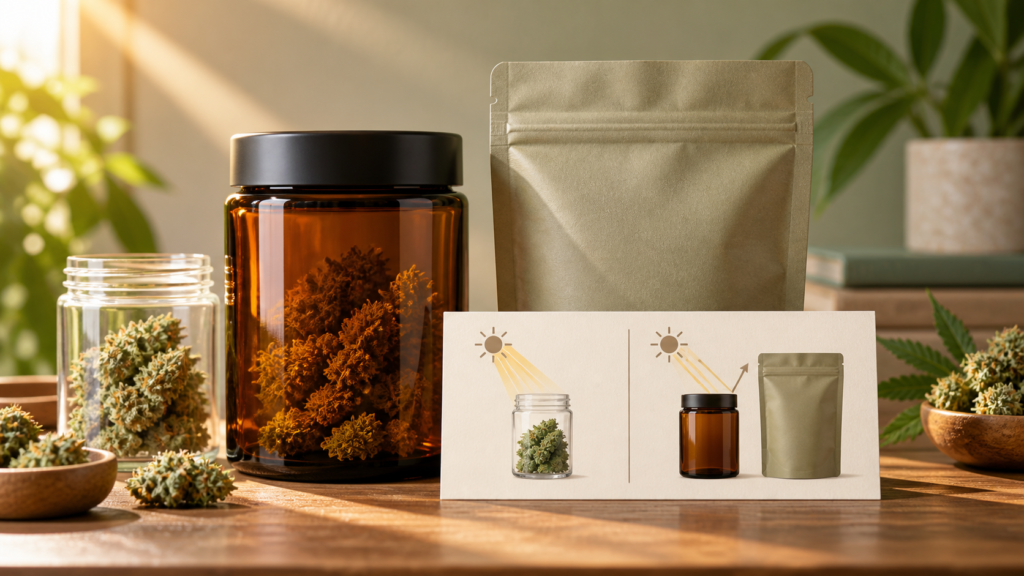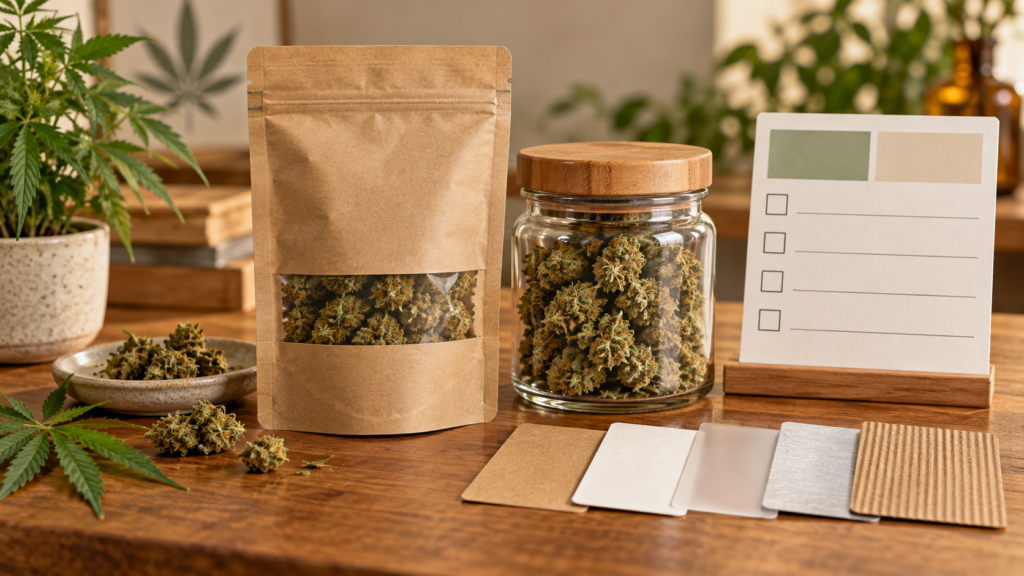


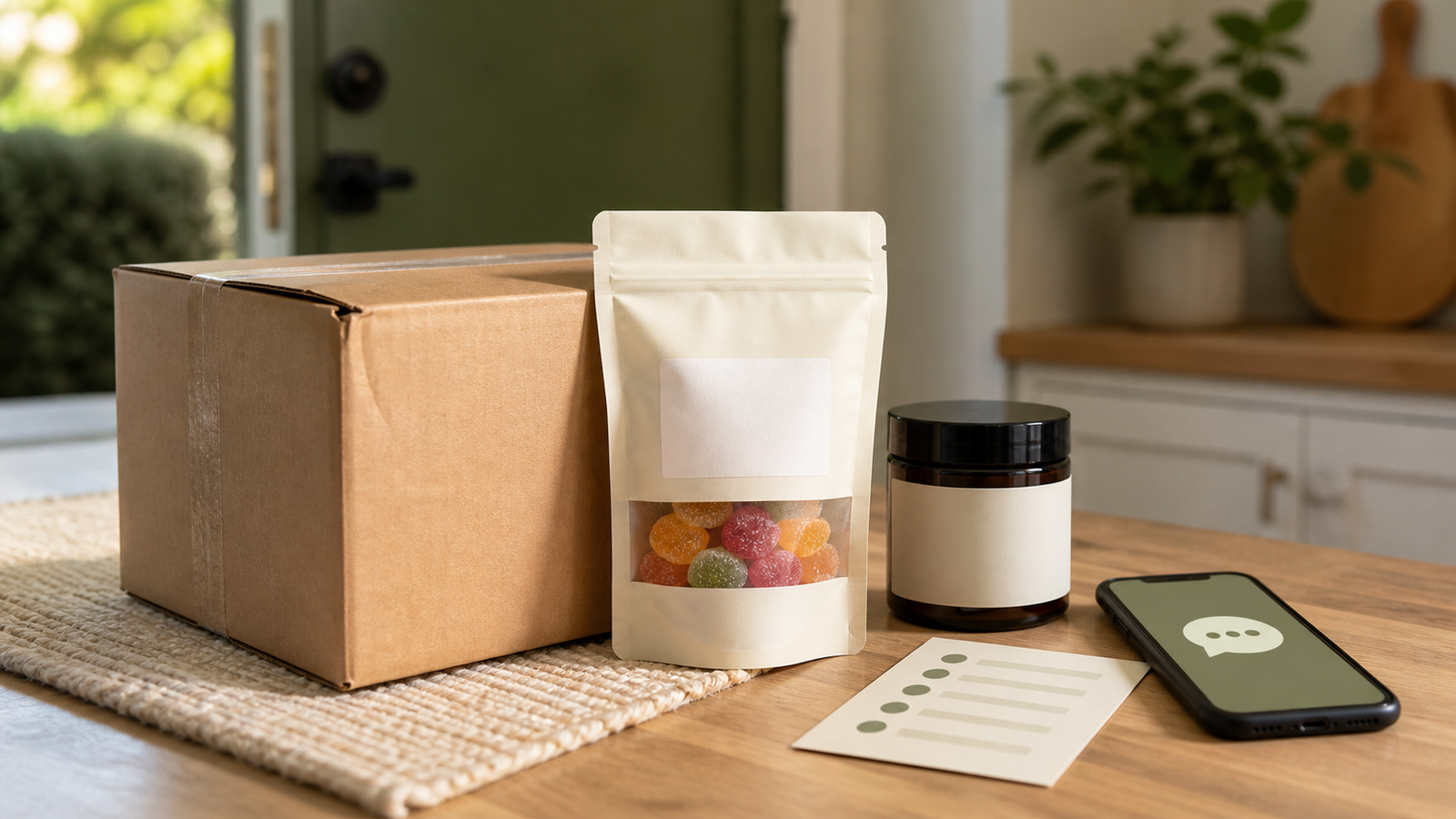
Quick answer: If a CBD gummy package arrives damaged, do not rely on the shipping box alone. Inspect the unopened inner package, seal or closure, label, lot or batch number, and product appearance. Photograph the condition, keep the original packaging and order information, and contact the seller before using a product whose seal is missing, package is open, contents appear altered, label does not match, or lot details are unreadable. This is a product-condition checklist, not medical advice or a claim that a product is lawful or suitable for everyone.
Delivery damage can range from a creased outer carton to a compromised pouch or broken closure. The correct response depends on what reached the product itself. A buyer does not need to diagnose why damage occurred; the useful work is to document what is visible, keep the product information connected to the order, and give the seller clear facts. This guide is for eligible adult consumers and does not substitute for current local rules, professional health advice, or an individual product assessment.
Separate outer-box damage from product-package damage
Start by looking at the layers. A shipping box may have a scuff, crushed corner, or torn flap while the inner sealed package remains intact. That outer damage can be relevant to a support request, but it does not automatically tell you whether the product package is affected. Conversely, an intact-looking shipping box does not replace a check of the actual pouch, jar, cap, seal, or label.
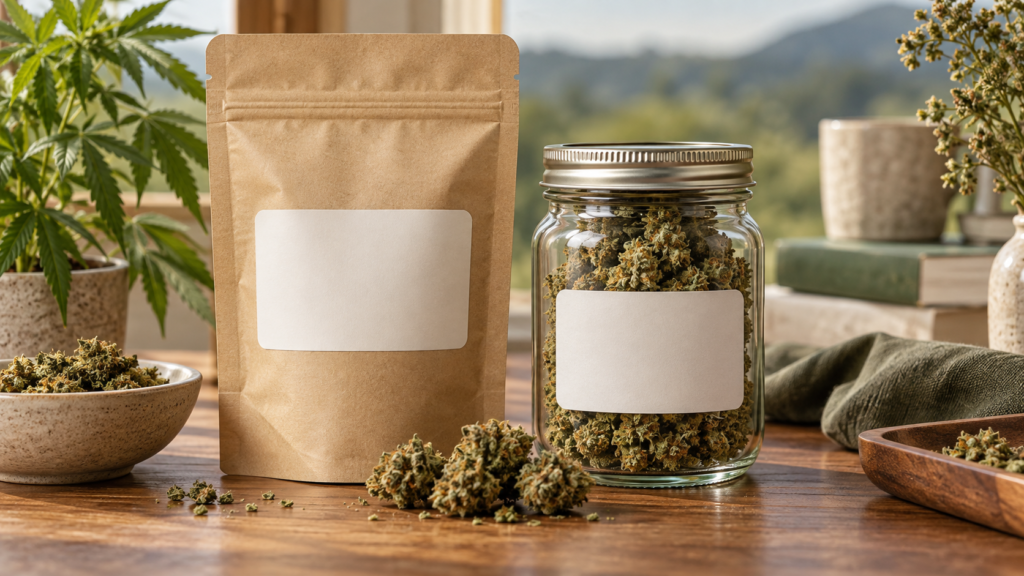
Examine the inner package in good light before opening it. Look for an open seam, torn pouch, puncture, loose cap, missing inner seal, leakage, unexpected residue, a broken child-resistant feature, or any mismatch between the product label and the item ordered. Do not attempt to repair, tape, or re-seal the package before documenting it. A repair can make it harder for support to understand the condition in which it arrived.
Use this damaged CBD gummy package checklist
- Pause before opening or using a questionable package. Keep the item separate from food and out of reach of children and pets while you inspect it.
- Photograph all shipping layers. Capture the carrier box, shipping label area without publicly sharing private data, inner protective material, and unopened retail package.
- Photograph the product identifier. Take clear images of the product name, cannabinoid statement, ingredients, any date field, and lot or batch number.
- Check the closure and seal. Note whether the pouch zipper, cap, induction seal, shrink band, or other visible closure is intact. Do not assume every product uses the same feature.
- Record what looks different. Describe facts such as torn, leaking, crushed, open, missing, unreadable, or mismatched. Avoid guessing whether a product was altered.
- Save the order reference and report link. Retain the confirmation number and any COA or lab-result URL connected to the batch.
- Contact the seller promptly. Provide the order reference, photos, item name, batch information, and a concise description. Follow the seller’s current returns or replacement process.
Why original packaging matters
Original packaging connects the gummies to their ingredient list, cannabinoid statement, warnings, batch or lot identifier, storage directions, and customer-service information. Moving a questionable product into an unlabeled container makes it harder to compare the item with its order or a related lab report. Keep the carton, pouch, jar, and any inserts until the seller confirms what it needs for review.
This same habit helps after an ordinary, intact delivery. Herbxmind’s CBD gummy storage guide recommends retaining product information and following the specific package directions. If you later need to inspect testing documentation, the batch-matching checklist explains why the package identifier is more useful than a generic product name.
What to look for on the seal and label
Packaging systems vary. A gummy product may use a resealable pouch, a screw-top jar, an inner foil or film seal, a shrink band, a carton, or a combination of these. The goal is not to apply one universal rule. Instead, compare the item with the package’s own description and with what you would reasonably expect from an unopened retail package. If a product identifies a closure or seal feature and it is missing or visibly breached, treat that as a reason to contact support before use.
The FDA’s consumer guidance for food tampering advises consumers to examine packaging, avoid products that are open, torn, damaged, or unusual, and inspect a container on opening. CBD gummies are not being presented here as regulated conventional foods or as FDA-approved products; the general inspection habit is relevant because a visible package issue should be documented rather than ignored. Do not characterize a damaged package as contamination or tampering without evidence. Report the observable condition and let the seller’s process address it.
Keep the batch and COA trail intact
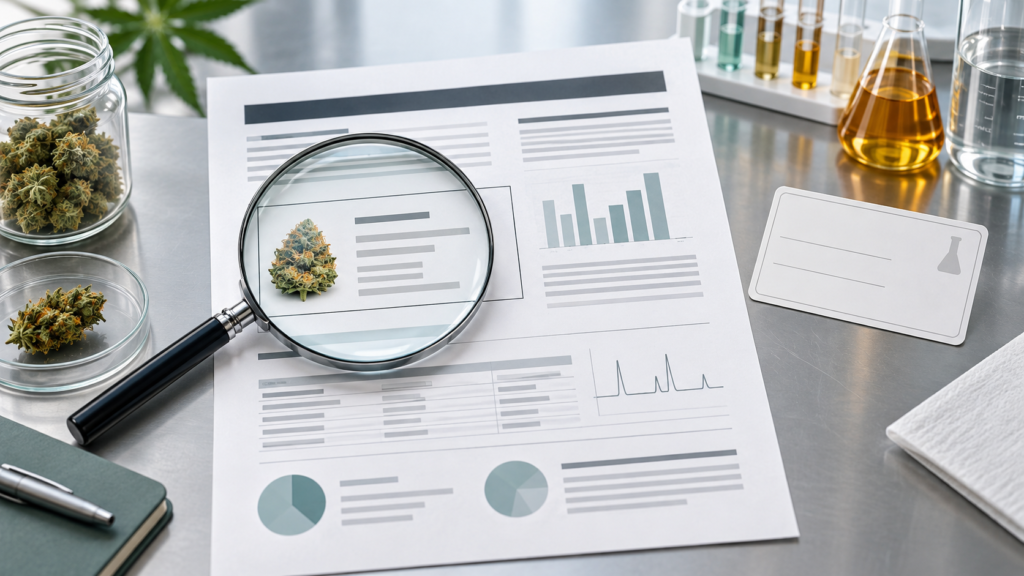
If the product has a lot or batch code, photograph it before the packaging is discarded. If a QR code or site page points to a COA, save the link and compare the report identity with the package. The COA QR-code verification guide walks through that comparison. A report can be useful documentation for a stated sample, but it does not resolve physical package damage or prove that a particular unit is unchanged.
When contacting support, avoid sending only a screenshot of a report. Include the physical product identifier and images of the package condition. A helpful request might say: “Order number [reference], product [name], lot [identifier], outer box [brief fact], inner pouch [brief fact], photos attached. Please advise on the current review process.” This gives the seller enough context to identify the order and product without claims that go beyond the evidence.
Store a questionable product safely while awaiting instructions
Keep the product away from children, pets, and people who may mistake it for ordinary candy. Do not leave an open or damaged package on a counter, in a car, or in a shared snack area. Avoid exposing it to heat, direct sunlight, moisture, or food storage areas that might further change its condition. Follow any visible package direction that remains legible, but do not use an unclear or compromised package as an occasion to invent a storage rule.
Do not taste or sample a product merely to decide whether it is okay. Visual, packaging, and documentation checks are the appropriate first steps. If someone has used a product and has a health concern, seek appropriate medical guidance; for an emergency, contact local emergency services or poison-control resources as appropriate. This article cannot assess a person’s symptoms or provide treatment advice.
Shipping and availability remain separate questions
A package issue does not answer whether the product was eligible to be ordered to a particular destination, and an online listing does not guarantee delivery everywhere. Before placing a replacement order or assuming a shipment route, consult where Herbxmind ships and the legal disclaimer. Rules, carrier policies, and product availability may change. Customer support can address an order-specific question more accurately than an old article or social post.
For broader label information before ordering, read the CBD gummies label guide and browse the CBD products category only where permitted. Use the same product-condition checklist if an order includes a different cannabinoid format: identify the item, preserve the batch information, document the condition, and ask a focused support question.
Write a support message that can be acted on
A clear message is faster to review than a broad complaint. State the order reference, the product name as printed, the batch or lot code, the delivery date, and the condition you observed. Attach photos that show the whole package and close-ups of the seal or damage. If the carton was wet, crushed, open, or missing, say so as an observation; do not assume the carrier or seller caused a particular problem unless they confirm it. Keep the message factual and save a copy of any reply.
Do not post order numbers, home addresses, full tracking details, or batch codes publicly in a review or social-media comment. Use the seller’s official support route for those details. If a reply asks you to dispose of, return, or retain the product, follow the current written instructions and any applicable local rules. A replacement, refund, or return outcome depends on the order and policy; this guide does not promise one. The purpose of documentation is to let the responsible party identify the item and give an order-specific answer.
Continue learning
- How to store CBD gummies
- How to read cannabinoid serving-size label math
- Lab results and product-document resources
- Contact Herbxmind support
Frequently asked questions
Should I use CBD gummies if the outer shipping box is damaged?
An outer-box scuff does not by itself describe the condition of the inner product. Inspect the sealed product package, label, lot information, and contents. If the inner package is compromised or the product looks unusual, do not use it; document the issue and contact the seller.
What photos should I take of a damaged CBD gummy delivery?
Photograph the shipping box, the unopened product package, the seal or closure, the product label, the batch or lot number, and any visible damage. Keep the order reference and do not discard packaging before support replies.
Can I move damaged CBD gummies into another container?
Do not move a product into an unlabeled container before the issue is resolved. Original packaging helps preserve the ingredients, warnings, lot details, and visible condition needed for review.
Bottom line
If a CBD gummy package arrives damaged, pause, inspect the actual retail package, document the condition and identifiers, keep the packaging, and ask the seller for the current order-specific process. The key distinction is between observed facts and assumptions: a torn pouch or missing seal is a documentable issue; a cause or health conclusion requires evidence you may not have. Reviewed August 15, 2026 against FDA consumer information on package inspection. This is adult buying education where permitted, not medical or legal advice and not a guarantee of safety, quality, legality, shipment, replacement, or delivery.
Sources: FDA, Food Tampering: An Extra Ounce of Caution; FDA, best practices to prevent tampering and intentional adulteration.