
CBD Products Explained: How US Buyers Can Compare Formats, Labels, and Lab Results

Quick answer: The best way to compare CBD products is to start with the label and the batch record, not the marketing promise. Check the product format, total CBD and THC per package, serving information, ingredients, batch number, testing date, and whether the available certificate of analysis (COA) matches the item you are considering. Then confirm that the product can be shipped to your location and is intended for adults where permitted.
Shopping for CBD products can feel confusing because the same ingredient appears in very different formats: oils, capsules, gummies, flower, vape products, topicals, and more. Those formats are not interchangeable. They differ in ingredients, how they are used, how much product is in a package, how quickly a consumer may notice an effect, and what information is needed to evaluate quality. A careful comparison protects your budget and helps you avoid making assumptions that the label does not support.
What counts as a CBD product?
CBD, short for cannabidiol, is one compound found in the cannabis plant. A CBD product is a consumer product that contains CBD as an ingredient, but the rest of the formula can vary significantly. Some products contain only CBD and a carrier ingredient. Others include additional cannabinoids, botanical extracts, flavoring agents, sweeteners, or ingredients designed for a particular format. “CBD” on the front label therefore tells you what the product is marketed around; it does not tell you the full formula or whether the product is appropriate for your needs.
The U.S. Food and Drug Administration explains that CBD products remain subject to applicable laws and requirements for FDA-regulated products, and that many safety and quality questions remain unresolved. The FDA also warns consumers not to treat a product’s marketing language as proof of safety, effectiveness, or medical approval. Read the agency’s consumer update before making health-related assumptions: FDA information about CBD and cannabis-derived products.
The main CBD product formats
Oils and tincture-style products
Oils are usually measured by volume, such as milliliters, and may list total CBD per bottle plus an amount per serving. A carrier oil may be used to create the formula. When comparing two bottles, divide total CBD by bottle volume and then compare the suggested serving size. A larger bottle is not automatically better value if it contains less CBD per milliliter or uses a serving size that is difficult to measure consistently.
Gummies and other edibles
Edibles commonly list CBD per piece and total CBD per package. Check whether the package contains ten, twenty, or more pieces, and verify that “per serving” means one piece or a different quantity. Also review sugar, allergens, coloring, flavoring, and any additional cannabinoids. Do not assume that a gummy labeled “hemp” is automatically a CBD gummy; the ingredient panel should identify the cannabinoid and its amount.
Vape products
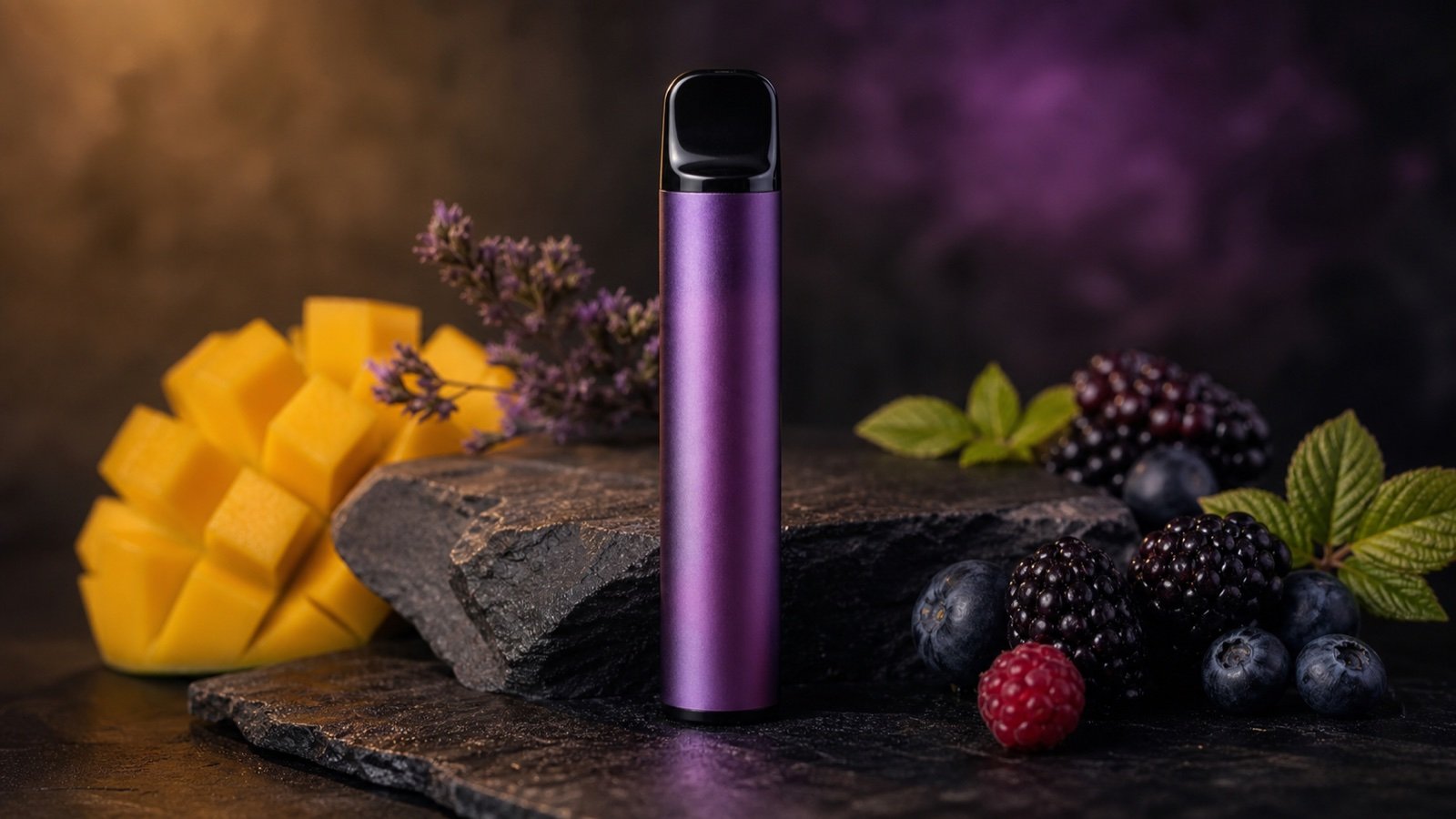
Vape products require extra attention because the hardware and the liquid formula are both part of the purchase. Review the cannabinoid amount, carrier ingredients, flavor components, device type, battery information, and whether the device is disposable or rechargeable. Never rely only on a product name such as “CBD vape.” A transparent listing should explain what is inside, identify the batch, and provide a way to review relevant testing information. Our CBD vape guide covers a deeper label and hardware review.
Flower and plant material
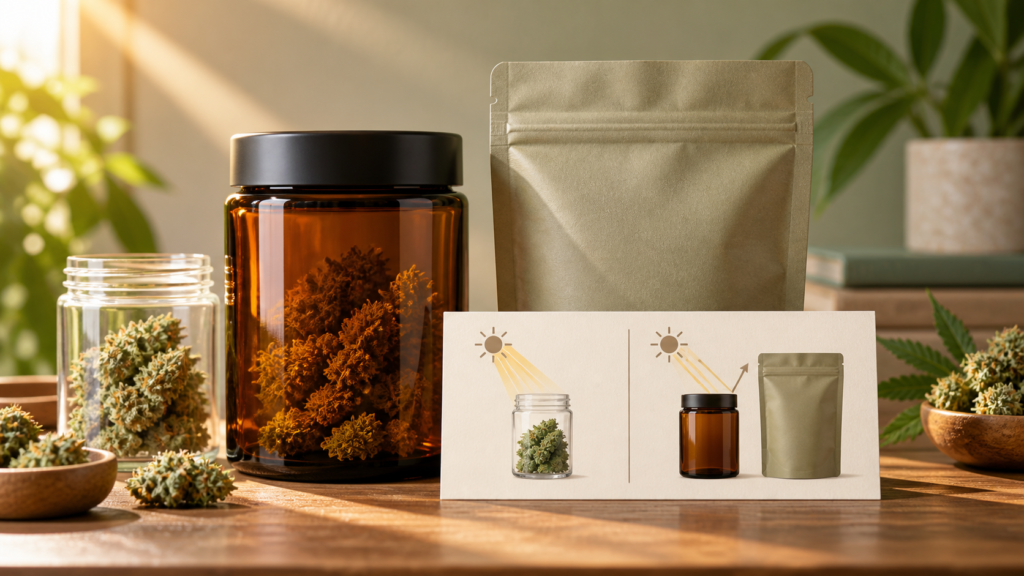
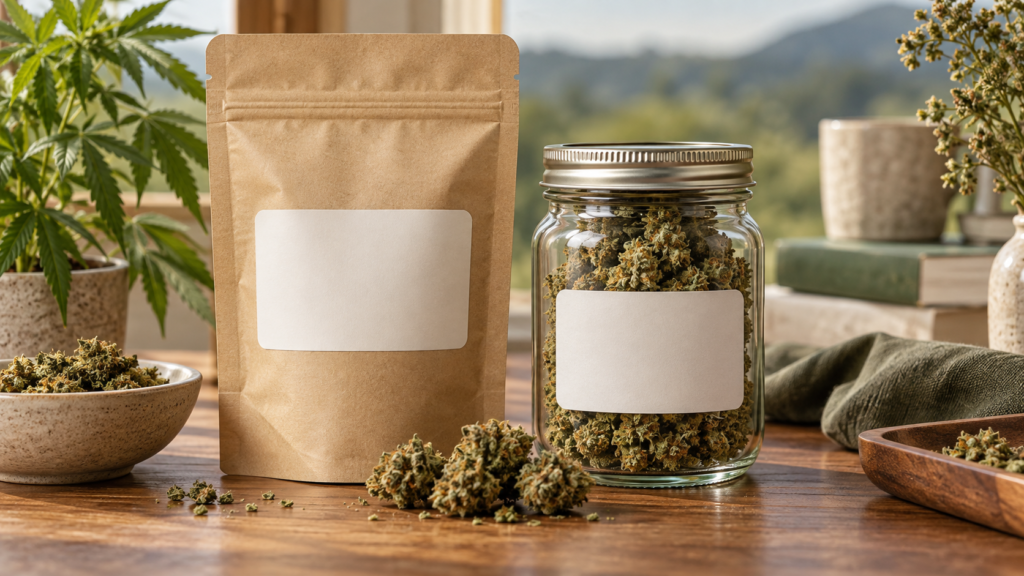
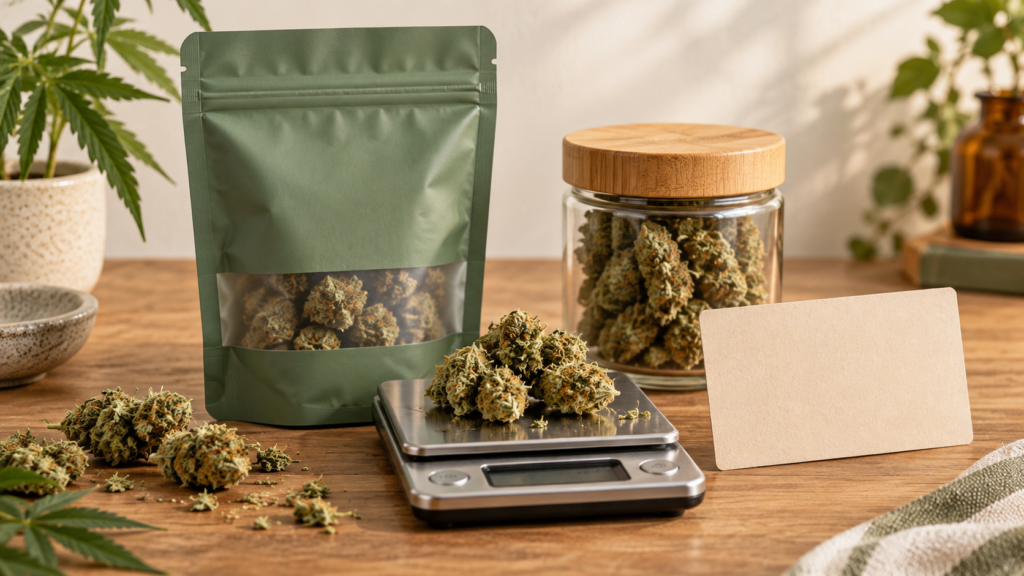
Flower is sold as plant material rather than a measured liquid or edible. Compare the total weight, cannabinoid profile, harvest or batch information, packaging date, and storage guidance. CBD flower and hemp flower are often used as overlapping retail terms, but the product label and the applicable law in your location matter more than the name used in a listing. Read our CBD flower vs. hemp flower comparison before comparing products.
Topicals
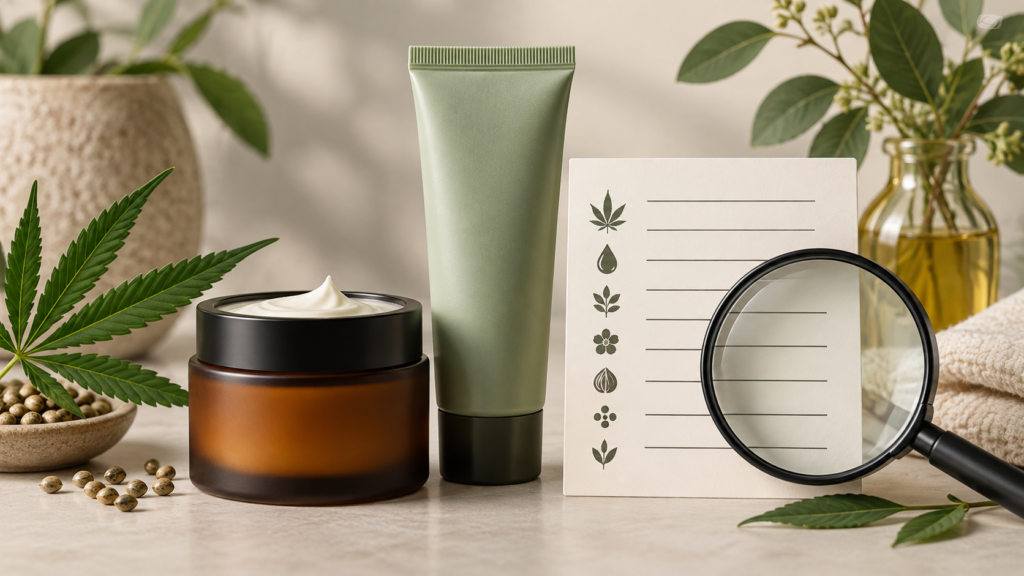
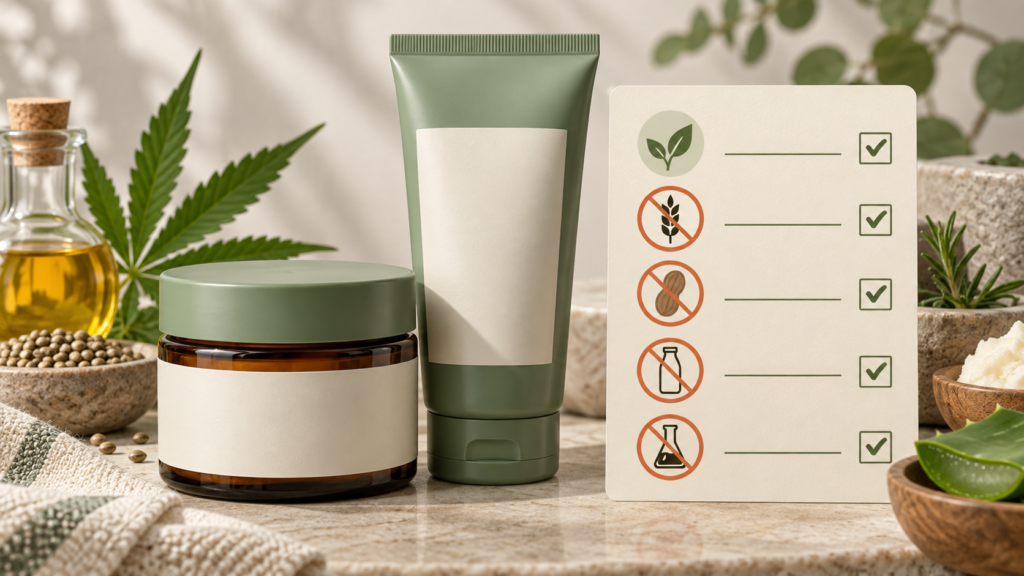
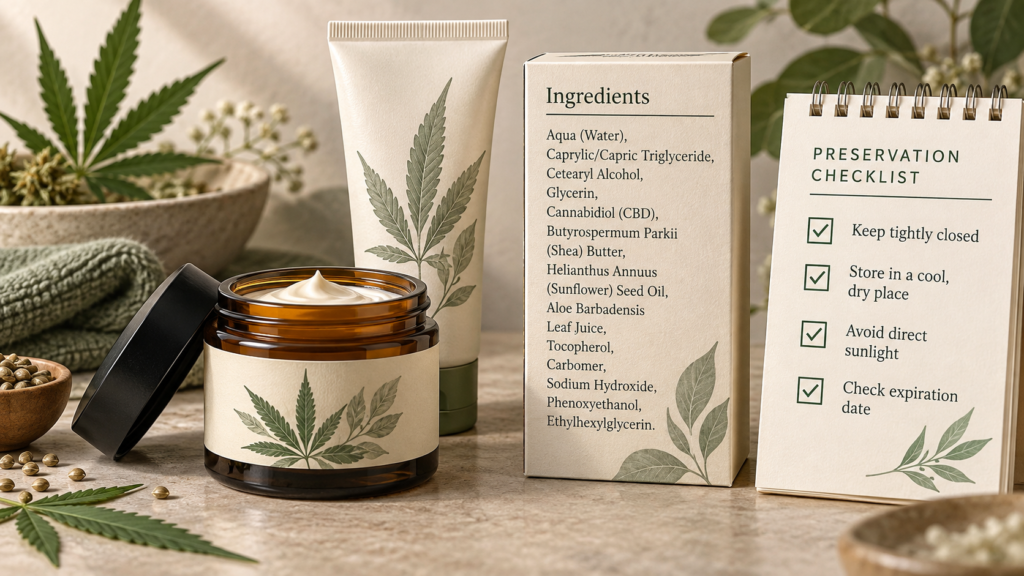
Topicals are applied to the skin and may contain creams, balms, oils, or other cosmetic bases. Check the complete ingredient list for fragrance, essential oils, allergens, and preservatives. Avoid treating a cosmetic product as a medicine unless it has been specifically approved and labeled for that use. If you have a skin condition or use prescription products, ask a qualified healthcare professional about compatibility.
How to read a CBD product label
Use this order when evaluating a label:
- Identify the exact format. Is it an oil, gummy, vape, flower product, or topical?
- Find total CBD per package. Do not confuse total product weight with total CBD.
- Find CBD per serving. Confirm how many pieces, drops, or milliliters make one serving.
- Check THC information. Look for total THC, delta-9 THC, or a statement that the amount is below the applicable limit. A “hemp” claim is not a substitute for reading the cannabinoid results.
- Read the ingredient panel. Look for carriers, sweeteners, flavoring agents, allergens, and any additional cannabinoids.
- Find the batch or lot number. A COA is useful only when you can connect it to the product you are buying.
- Check the manufacturer and contact details. A clear business identity makes it easier to ask questions or report a problem.
How a COA supports a product comparison
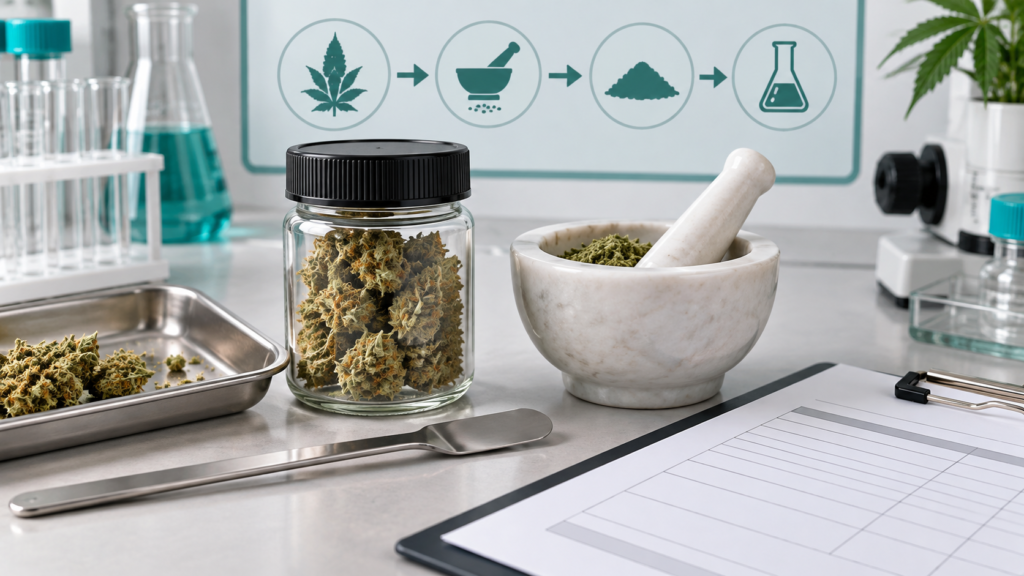
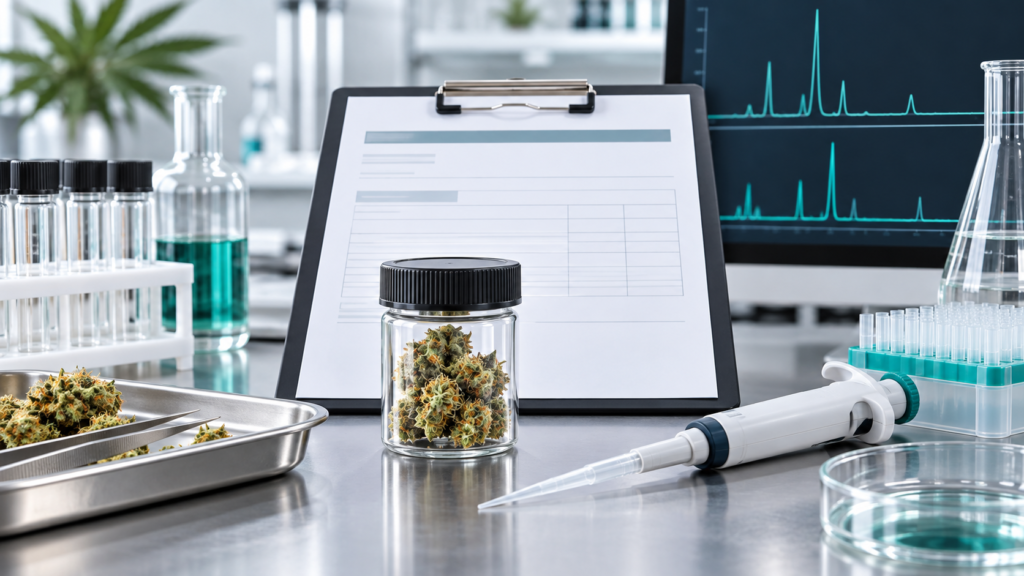
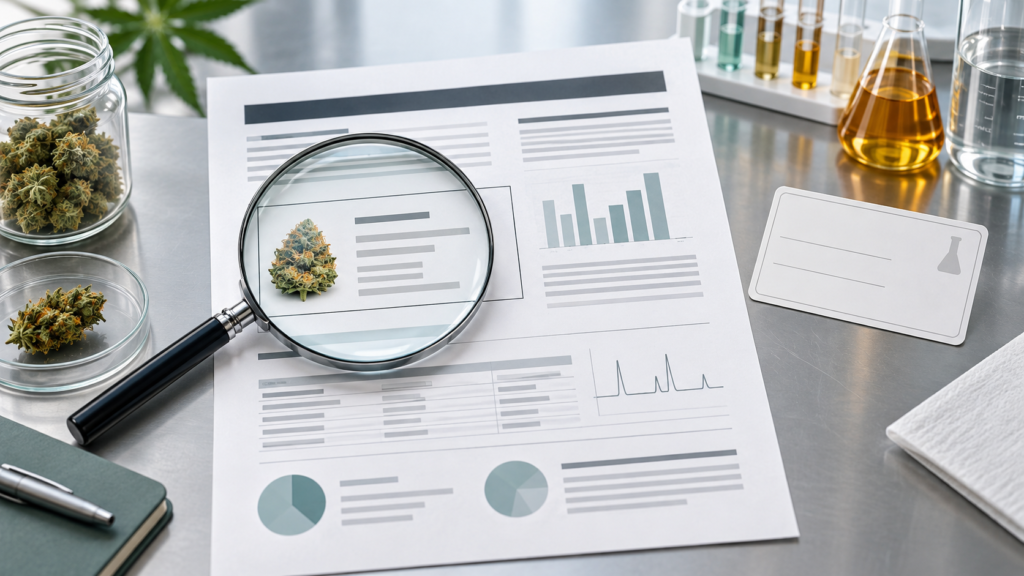
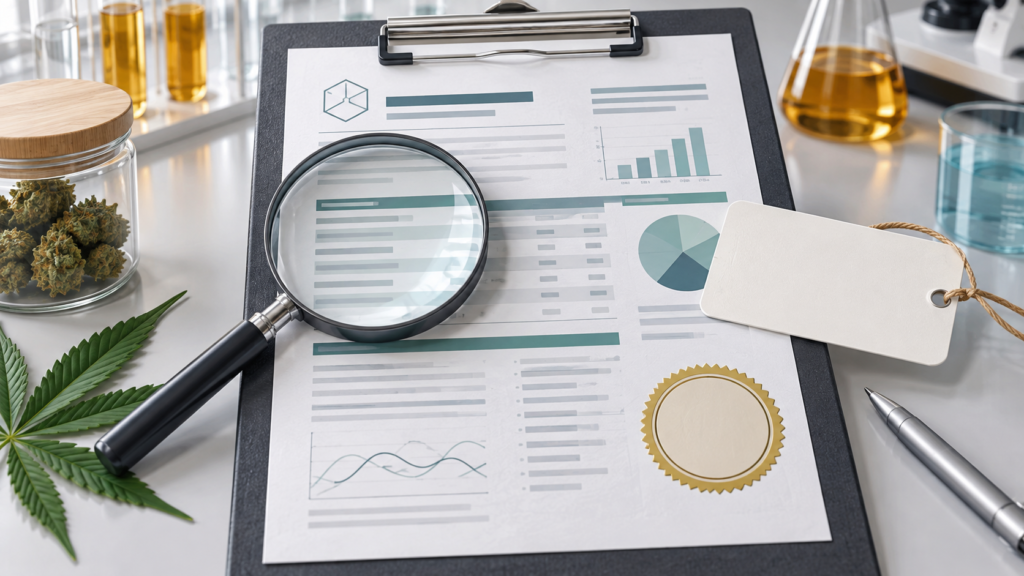
A certificate of analysis is a laboratory report for a particular sample. It may show cannabinoid results and, depending on the product and laboratory, results for pesticides, heavy metals, solvents, microbes, or other testing categories. It is evidence about the tested sample, not a universal guarantee about every item made by a brand. Start with our CBD COA comparison checklist and verify five connections: product name, batch number, test date, laboratory identity, and the results that matter for that format.
Be cautious when a page displays a generic laboratory badge without a batch identifier. Also be cautious when the product page says “lab tested” but the report is impossible to open, is several product versions behind, or does not show the same cannabinoid profile. Responsible purchasing means recognizing what the evidence can support and what it cannot.
Full-spectrum, broad-spectrum, and isolate
These terms describe the intended cannabinoid composition, but the label and COA should still be the deciding evidence. A full-spectrum formula is generally marketed as containing multiple naturally occurring cannabis compounds, including a measurable amount of THC. A broad-spectrum formula is generally marketed as containing multiple compounds with little or no THC. An isolate is intended to contain a single isolated compound. Manufacturing, testing, and labeling practices vary, so check the actual results rather than relying on a category word.
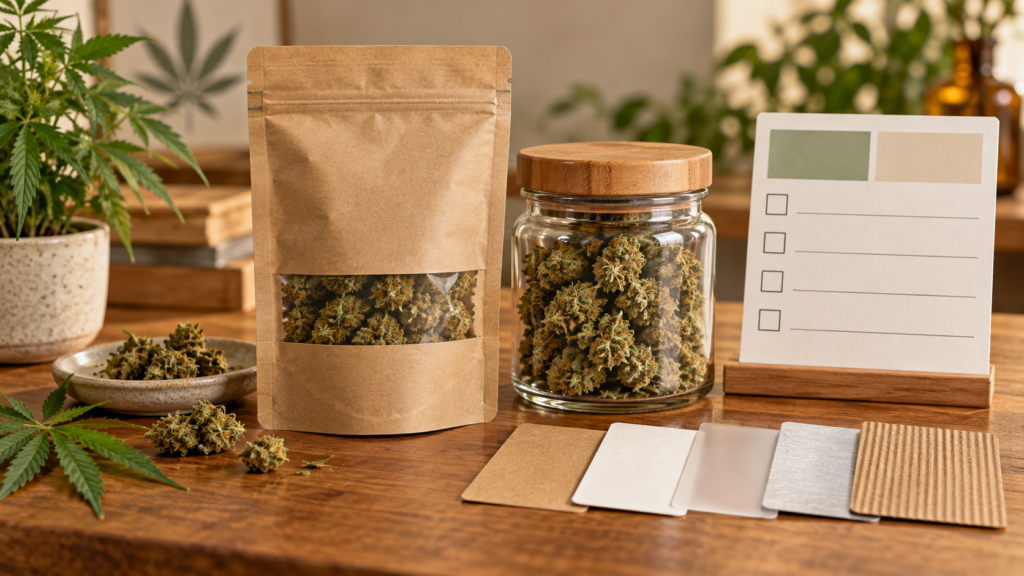
CBD shopping checklist for US adults
Before adding a product to your cart, ask:
- Is the product intended for adults and available where I live?
- Does the listing show the complete ingredients and serving information?
- Can I identify total CBD, CBD per serving, and THC information?
- Does the batch number on the product match the COA?
- Does the product have a clear storage and use guide?
- Are shipping restrictions explained before checkout?
- Is there a real customer-service channel if the package arrives damaged or the details do not match?
Review our shipping and destination information before ordering. Laws and carrier rules can change, and a product being available online does not mean it is lawful in every state, county, city, or building. Keep products away from children and pets, and store them according to the package directions.
Common CBD product comparison mistakes
The most common mistake is comparing package prices without comparing the amount of CBD per package or per serving. Another is assuming that a higher milligram number means a better product. Milligrams are only one data point; ingredients, batch evidence, device quality, transparency, and fit for the intended format matter as well. A third mistake is reading a testimonial as scientific evidence. Testimonials can describe an individual experience, but they cannot establish that a product will produce the same result for another person.
Consumers should also avoid medical conclusions from retail language. The FDA notes that it has approved only a specific prescription CBD product for particular seizure conditions; that does not make ordinary retail CBD products approved treatments. If you take medication, are pregnant or breastfeeding, have a health condition, or are considering CBD for a child or pet, speak with an appropriate healthcare professional before use.
Frequently asked questions
Are all CBD products the same?
No. Format, ingredients, cannabinoid profile, serving size, manufacturing process, and testing evidence can all differ. Compare the product page, label, and batch report together.
Is “hemp” the same as “CBD”?
No. Hemp describes a plant or source category, while CBD is a specific compound. Read the cannabinoid panel and ingredients rather than treating the words as synonyms.
What is the single most useful quality check?
Match the batch or lot number on the product with a current, readable COA, then check whether the report includes the categories relevant to that format.
Can I take CBD with medication?
Do not assume compatibility. Ask your healthcare professional, especially if you use prescription medication, are pregnant or breastfeeding, or have a condition that requires treatment.
Bottom line
A reliable CBD products comparison is label-first, batch-aware, and location-aware. Choose the format that fits your intended use, compare the actual amount per package and serving, inspect ingredients, connect the product to its COA, and read the site’s shipping and compliance information before checkout. For more education, visit the Herbxmind blog and our legal and responsible-use information.
Editorial note: This article is educational content for adults where permitted. It is not medical advice, legal advice, or a guarantee that any product is lawful, safe, or suitable for a particular person.