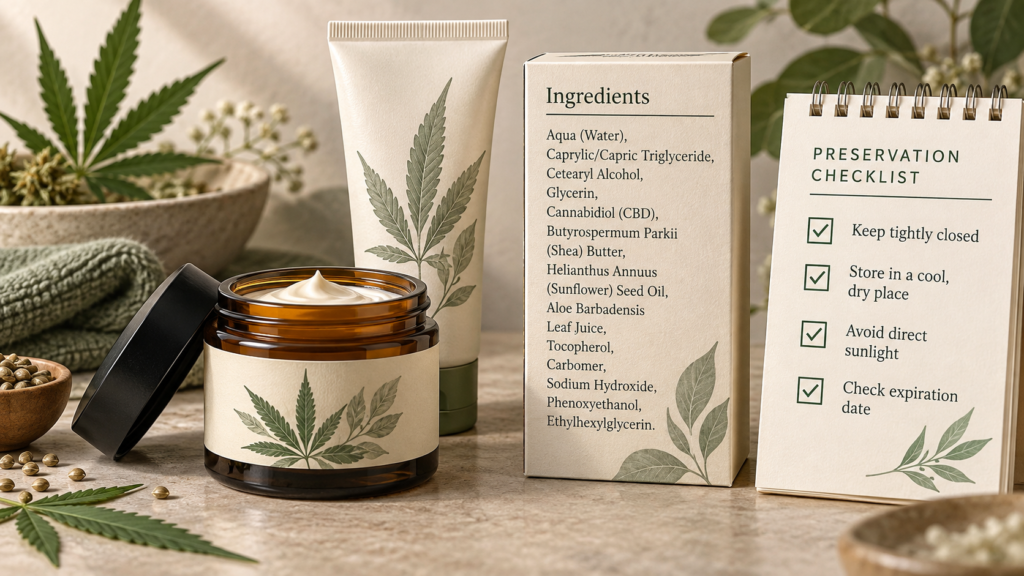


Quick answer: This Herbxmind guide covers how to store CBD gummies with practical label, COA, ingredient, and responsible-buying checks for adult consumers.
Quick answer: To store CBD gummies responsibly, follow the exact package directions first, keep the product in its labeled container when practical, close the package securely, protect it from heat and moisture, and keep it out of the reach of children and pets. Before opening a new product, save the batch or lot number, ingredient panel, and any available COA link. Storage directions vary by formulation, so a generic online tip should never override the product label.
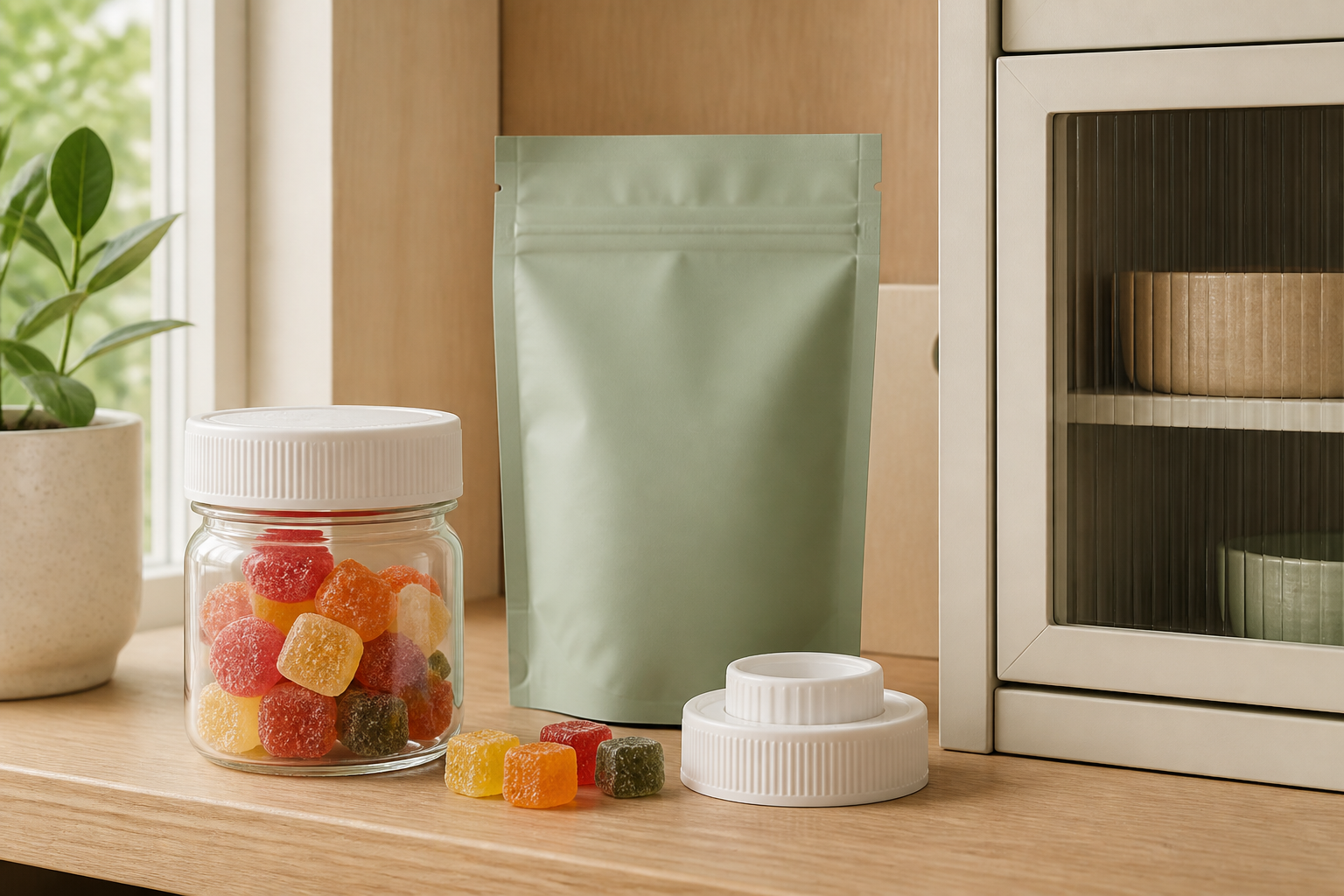
CBD gummies are easy to mistake for ordinary candy because of their size, texture, and flavors. That is exactly why packaging, labeling, and placement matter. This guide is for eligible adult consumers who want a simple storage routine that preserves product information and reduces avoidable mix-ups. It does not provide medical advice, a recommendation to use any product, or a claim about the legal status of a product in a particular location.
Begin with the product’s own storage directions
The product label is the first source to follow. It may describe a preferred temperature range, a warning about direct sunlight, a “keep tightly closed” instruction, or a best-by date. Different gummies can use different ingredients, coatings, cannabinoids, packaging materials, and preservatives. Those details can affect how a product handles heat, humidity, or time after opening.
If the package gives no useful storage guidance, do not invent a precise temperature or shelf-life claim. Keep the unopened or opened product in a stable, dry area away from direct heat sources, and ask the seller for the current product-specific directions. For a broader pre-purchase review, compare the ingredient and serving information at CBD products and read the CBD gummies label guide.
Keep the label connected to the product
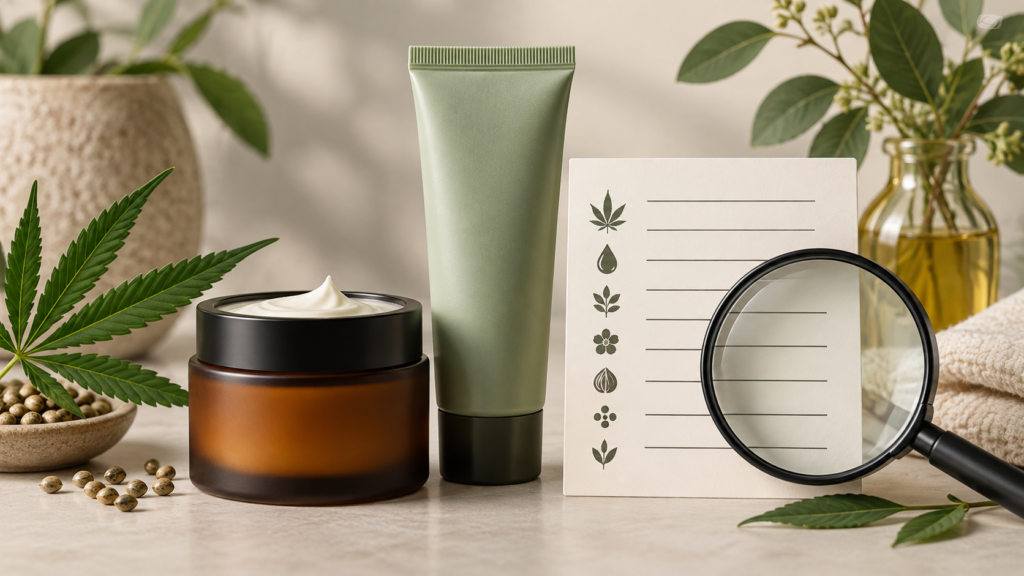
Original packaging does more than hold the gummies. It can carry the product name, cannabinoid amount, serving information, ingredients, allergen details, warnings, lot or batch number, and contact information. Moving gummies to an unlabeled jar may make a pantry look tidy, but it also disconnects the product from the information you need to evaluate it later.
If you need to separate packaging for travel within a lawful context or for household organization, retain a clear copy of the original label and keep it with the product. Photograph the lot number, directions, and any date information before discarding an outer carton. Do not rely on memory when you later need to compare a product with a lab report or explain a concern to customer support.
Use a packaging checklist after every opening
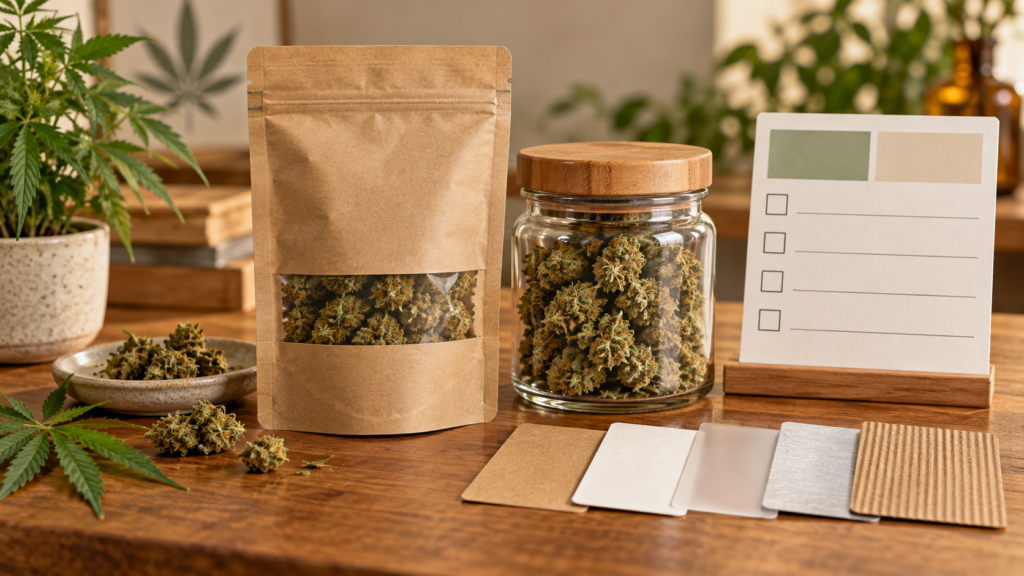
- Close the cap or pouch fully. Check that a lid, seal, zipper, or child-resistant mechanism is actually engaged.
- Keep the container dry. Avoid placing a product where it may be exposed to repeated moisture or spills.
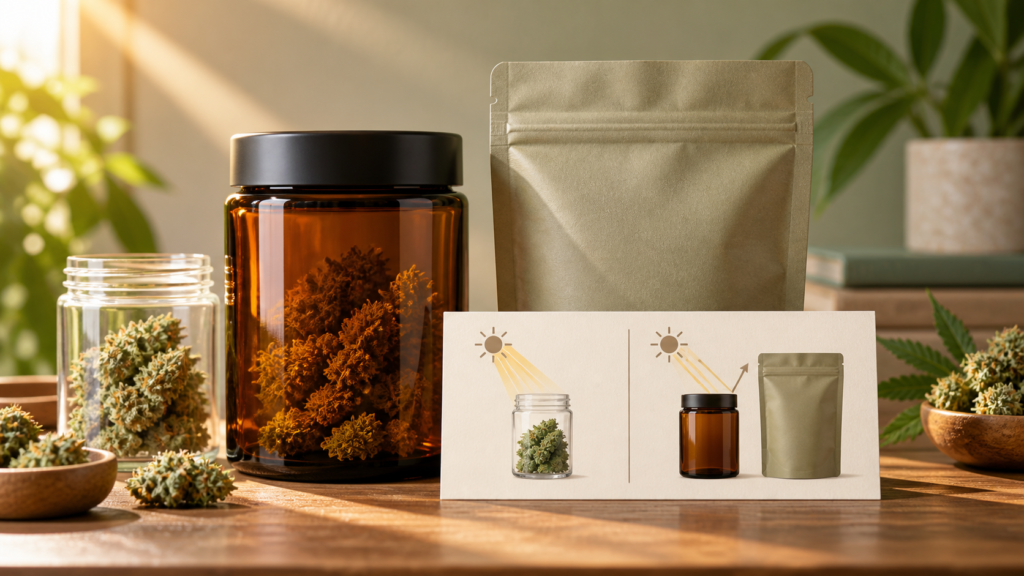
- Avoid direct heat and sunlight. A windowsill, hot vehicle, stovetop area, or appliance top is not a reliable storage location.
- Keep the label readable. Do not cover a batch number, serving statement, or warning with a household label.
- Inspect the product before use. If a seal is broken, the container is damaged, the product looks unexpectedly altered, or the details do not match the order, stop and contact the seller.
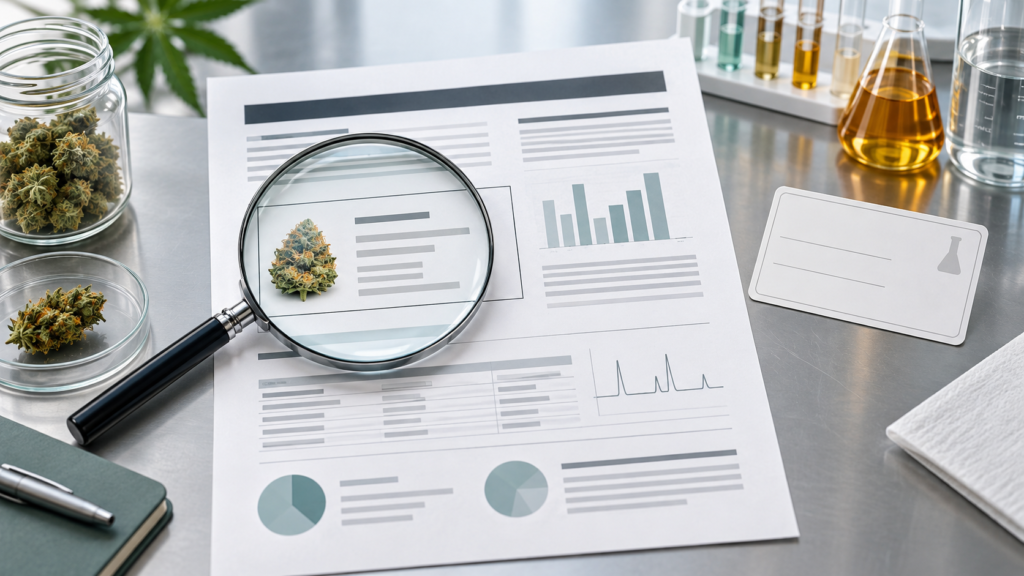
Storage is also a practical way to preserve evidence. A batch number links the package to available testing documents, while the ingredient list helps you avoid confusing one flavor or formula with another. The lab results page and the batch-matching checklist explain how to compare those details without overstating what a COA proves.
Storage decisions in shared spaces and while traveling
A kitchen counter, shared refrigerator, purse, gym bag, desk drawer, or vehicle can be convenient, but convenience does not always preserve the label or prevent access by others. Choose a location that is stable, private, and consistent with the manufacturer’s directions. Avoid leaving a package where another adult could mistake it for ordinary candy or where a child or pet may find it. Do not share a container without sharing the full product information.
When a product is away from home, keep the package closed and identifiable. Do not transfer it into a snack bag, unlabeled pill organizer, or another food container. The original package helps you check ingredients, warnings, the exact cannabinoid statement, and the batch number if a question arises. Travel, property, workplace, airline, and destination rules can all differ; this storage guide is not authorization to carry a product into any particular place.
If the product is exposed to a hot car, a wet bag, or a crushed package, treat that as a customer-support question rather than a reason to guess whether it is still acceptable. Preserve the product and package details, document the condition, and ask the seller for the current product-specific response. A visual change cannot prove or disprove cannabinoid amount, contamination status, or individual suitability.
Protect against child and pet access
Adult-use packaging is not a substitute for secure household storage. Gummies can be attractive to children and pets, and a child-resistant closure is not child-proof. Keep products in a location that children and pets cannot access, and do not leave an open package on a counter, bedside table, backpack, or vehicle. Use the original warning information as a reminder rather than assuming the container alone controls access.
The FDA advises that cannabis and cannabis-containing products should be kept out of the reach of children and pets. Its consumer guidance also explains why product appearance can create an accidental-exposure concern. Read the FDA’s consumer update on cannabis and cannabis-derived products for current information, and contact an appropriate poison-control or emergency resource promptly if an accidental exposure is suspected.
Do not use appearance as a quality test
A gummy that is melted, stuck together, dried out, or otherwise changed may be inconvenient, but appearance alone cannot tell you its cannabinoid content, safety, or cause of change. Do not make a quality or medical conclusion from a photo or a smell. Instead, compare the condition with the product’s directions, preserve the packaging and order record, take clear photos if a product arrived damaged, and ask the seller for product-specific guidance.
Likewise, an intact-looking gummy is not evidence that the product is appropriate for you. A product page, label, and COA each provide limited information. The CBD COA guide can help you check a report’s product identity, batch, and scope, but no report replaces current rules, product instructions, or professional advice about an individual health question.
Keep a small product record
Before you recycle or discard an outer carton, make a short record in your phone or order file. Capture the product name, format, batch or lot number, order date, storage directions, ingredient panel, and any best-by or expiration information printed by the manufacturer. If the product page links to a COA through a QR code, save the destination URL and the date you accessed it.
This record is useful if a package is damaged, if you need to ask a seller which report applies, or if you are comparing a reorder. It is not a substitute for keeping products secure or for reading updated information on the actual product. Product formula, availability, and destination policy can change between orders.
When to contact the seller
- The seal was broken on arrival or the package appears tampered with.
- The lot or batch number is missing, unreadable, or different from a linked document.
- The gummies arrived melted, leaking, unusually hard, or otherwise unlike the condition described by the seller.
- The storage instructions, ingredient list, or serving information cannot be found.
- You have a destination or availability question before placing an order.
For product-specific questions, use contact Herbxmind. For location questions, review where we ship and the legal disclaimer before checkout. Rules, carrier practices, and product availability may change, so online product visibility is not a promise that every order can be accepted or delivered.
Frequently asked questions
Should CBD gummies stay in the original package?
Usually, keeping a product in its original, labeled packaging makes it easier to retain the directions, ingredient list, batch details, and warnings. Follow the product label if it gives different instructions.
Can heat change a CBD gummy product?
Heat can soften, melt, or otherwise change many gummy products and their packaging. Follow the product’s storage directions and contact the seller if the product arrives damaged or its appearance changes unexpectedly.
What information should I save before discarding outer packaging?
Keep or photograph the product name, lot or batch number, expiration or best-by information if provided, ingredients, storage directions, and the COA link or QR destination when available.
Bottom line
The most useful CBD gummy storage habit is simple: follow the label, keep the package secure and identifiable, protect it from harsh conditions, and store it where children and pets cannot reach it. Preserve batch information before discarding packaging, and use a seller’s current directions when something looks wrong. Browse the current collection only where permitted, and keep product education separate from medical decisions.
Editorial note, reviewed August 14, 2026: Herbxmind checked this guide against the linked FDA consumer information. It is adult product-storage education, not medical or legal advice, a quality guarantee, or a replacement for product-specific label directions.