


Quick answer: Treat CBD product claims as information to verify, not promises to accept. Start with the exact product format, ingredients, cannabinoid amounts, batch documentation, and the rules that apply to your destination.
Many shoppers search for CBD products because they want a clearer way to compare labels and make an informed purchase. This guide focuses on how to review product information without turning general wellness language into a medical claim.
Separate product information from health promises
A product page can explain what a product contains, how it is made, how it should be stored, and where it may be available. It should not promise to diagnose, treat, cure, or prevent a condition. Be cautious with phrases that guarantee better sleep, stress relief, pain relief, or a specific personal outcome.
Review the label and ingredients
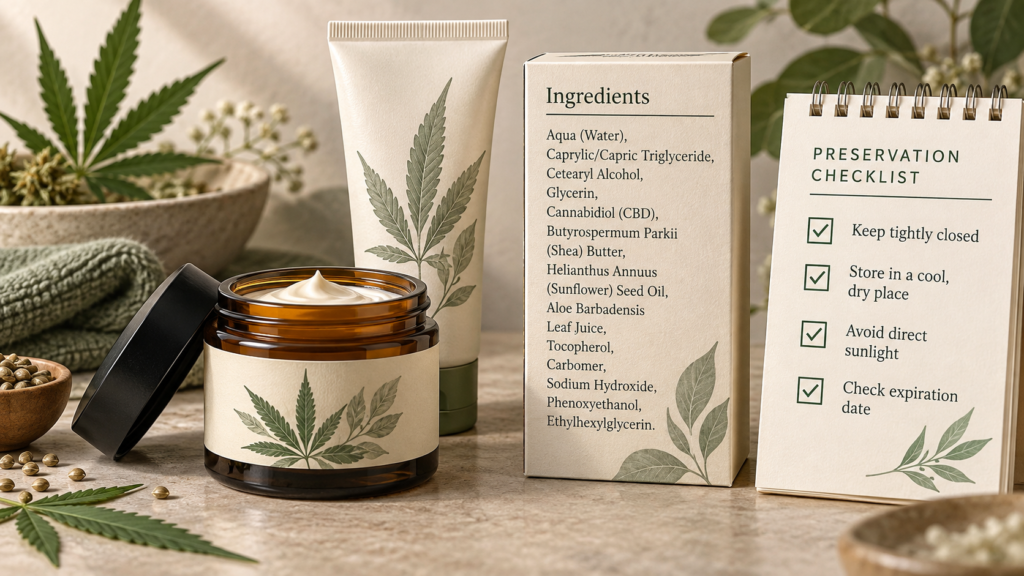
- Exact cannabinoid identity and amount
- Product format, total volume, and serving or unit information
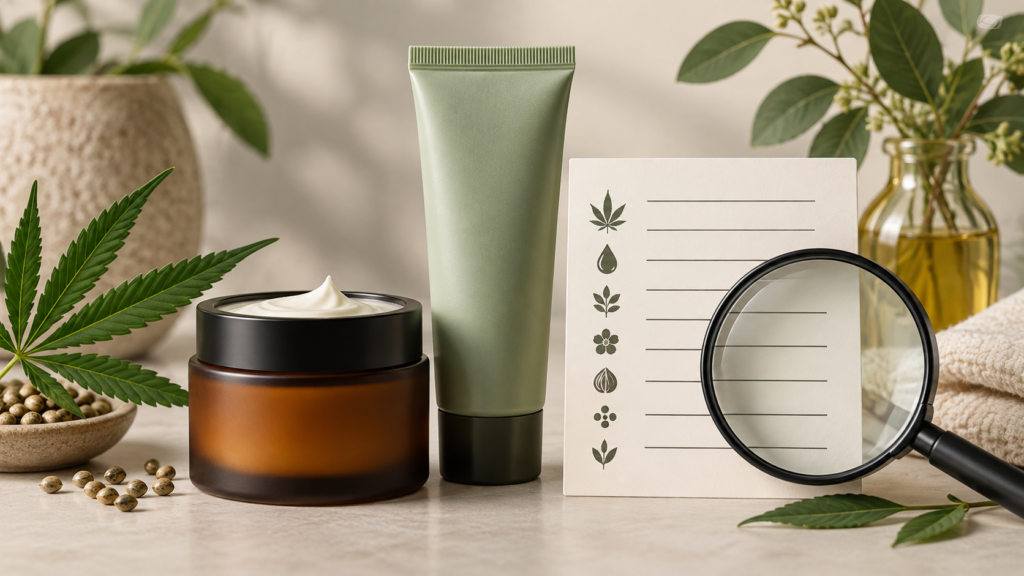
- Carrier oils, flavors, botanicals, and other listed ingredients
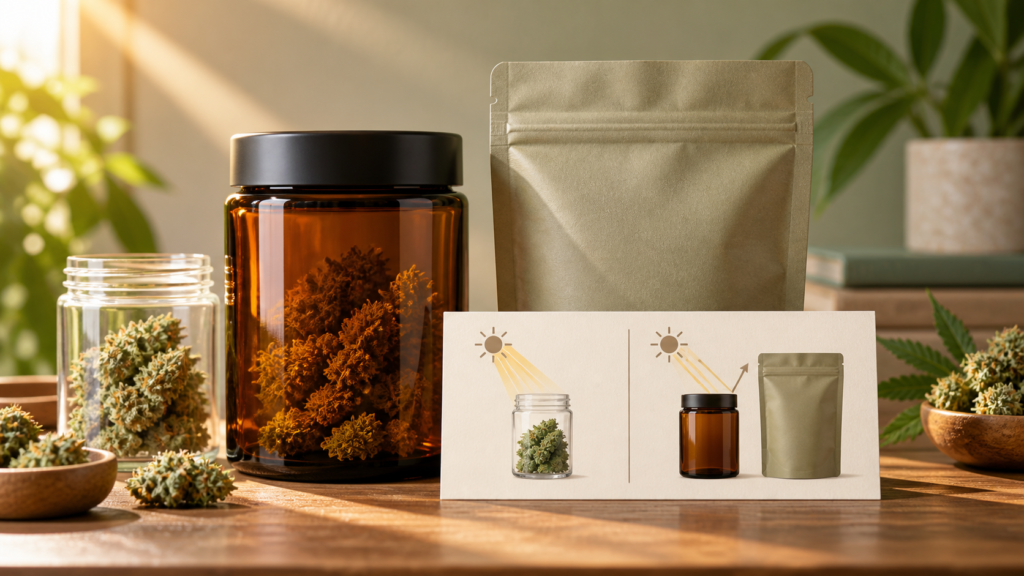
- Warnings, storage instructions, and age requirements
Use a COA as batch evidence
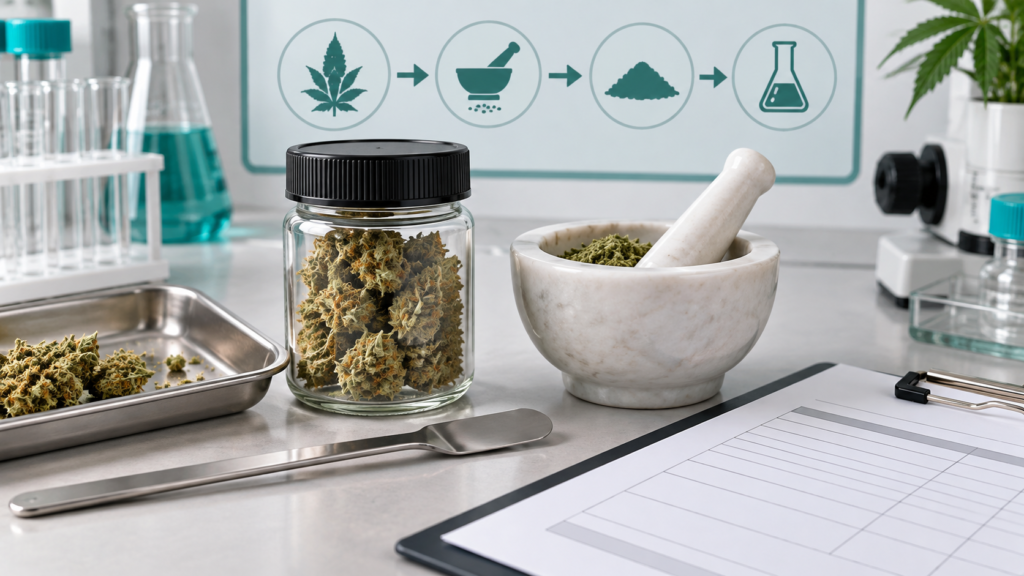
A Certificate of Analysis can help connect a tested sample to reported potency and selected testing categories. Match the product name, matrix, batch or lot number, report date, laboratory, and units. A COA is evidence about the tested sample; it is not universal proof of legality, safety, or suitability for every person.
Before you order
Check the destination, review the seller’s shipping policy, and read the responsible-use information. Browse available products only where permitted. If a claim or document is unclear, ask the seller for clarification before ordering.
FAQ
Does CBD automatically improve sleep or stress?
No. Do not treat marketing language as medical evidence or a guaranteed result.
What is the first thing to verify?
Start with exact product identity, ingredients, cannabinoid amounts, and batch documentation.
Product information and regional rules can change. This article is general information, not legal or medical advice.