

Quick answer: Store cannabis flower in a clean, sealed, light-protective container in a cool, stable, dry location away from children, pets, heat, and direct sunlight. Keep the original label and batch information with the product, avoid unnecessary air and moisture exposure, and inspect the flower for damaged packaging, unusual moisture, or visible contamination. Storage protects the product’s condition, but it cannot change the product’s cannabinoid profile or make an unlabeled item verifiable.
A cannabis flower storage plan should be simple enough to follow and cautious enough to protect product information. Adult buyers often focus on appearance or aroma after delivery, but the container, environment, label, batch number, and handling history also matter. Good storage does not turn a questionable product into a reliable one; it helps preserve an item that was already properly identified and packaged.
Why storage matters
Flower is a plant material that can be affected by light, heat, humidity, air exchange, handling, and time. Changes in the environment can affect texture, aroma, and the overall condition of the material. Storage is also a traceability issue. If you move flower to an unmarked jar and discard the original package, you may lose the batch number, ingredient information, warnings, and connection to a COA.
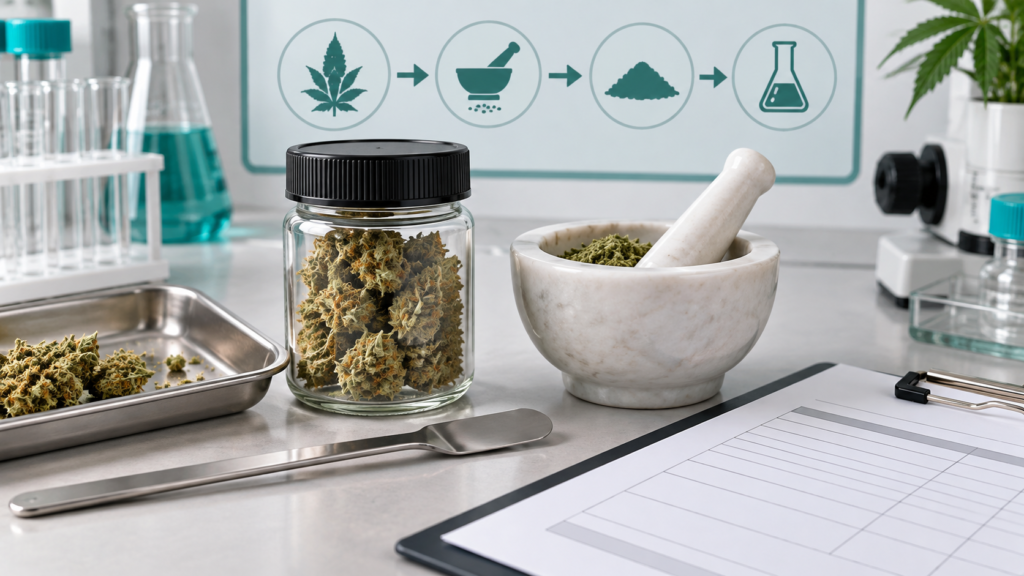
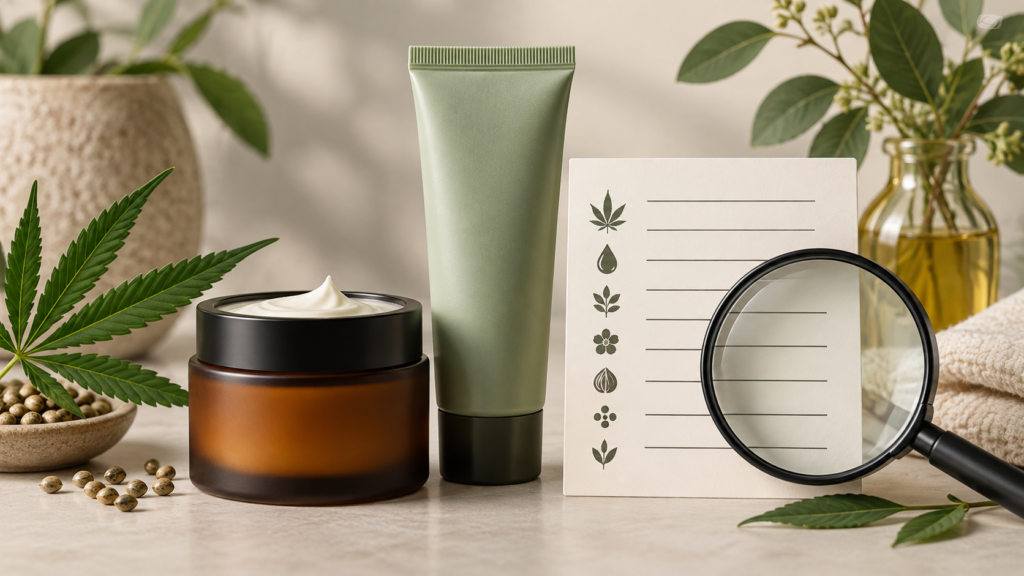
Storage is not a promise of safety or freshness. A certificate of analysis applies to a tested sample, while storage instructions describe how to handle the product after it reaches the buyer. Read our hemp flower package-label guide before putting the product away so you can record the details that should stay with it.
The best storage container
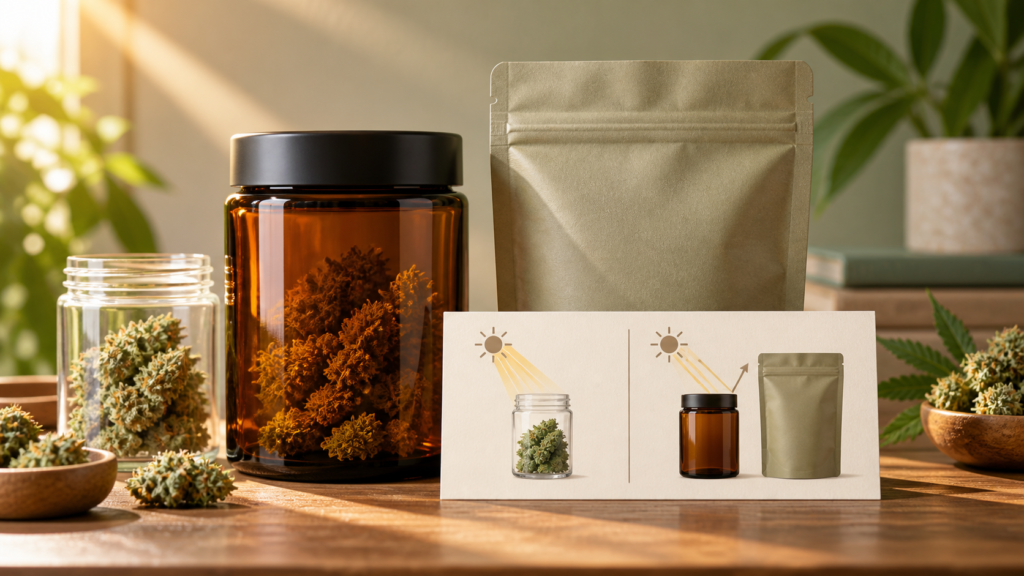
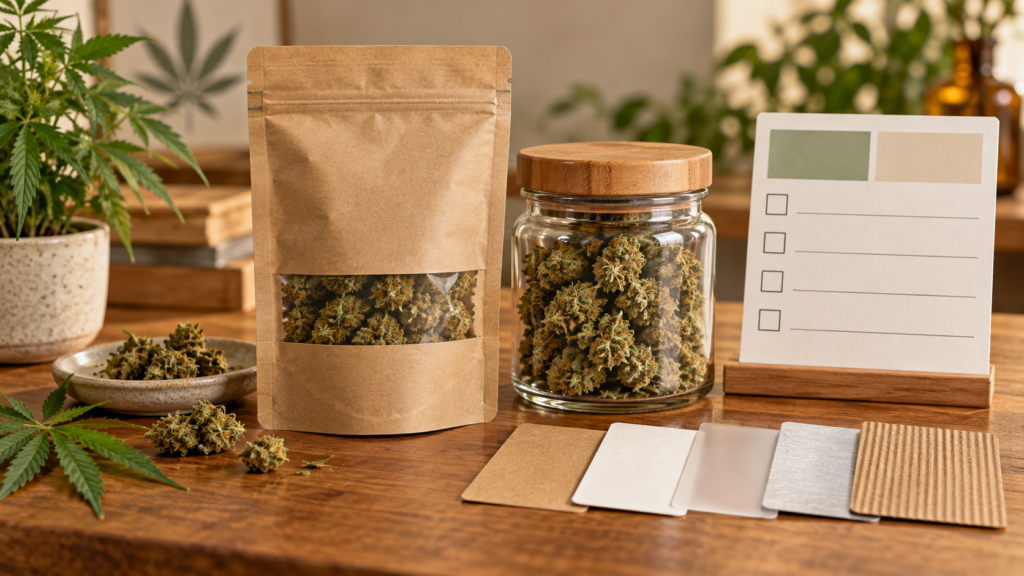
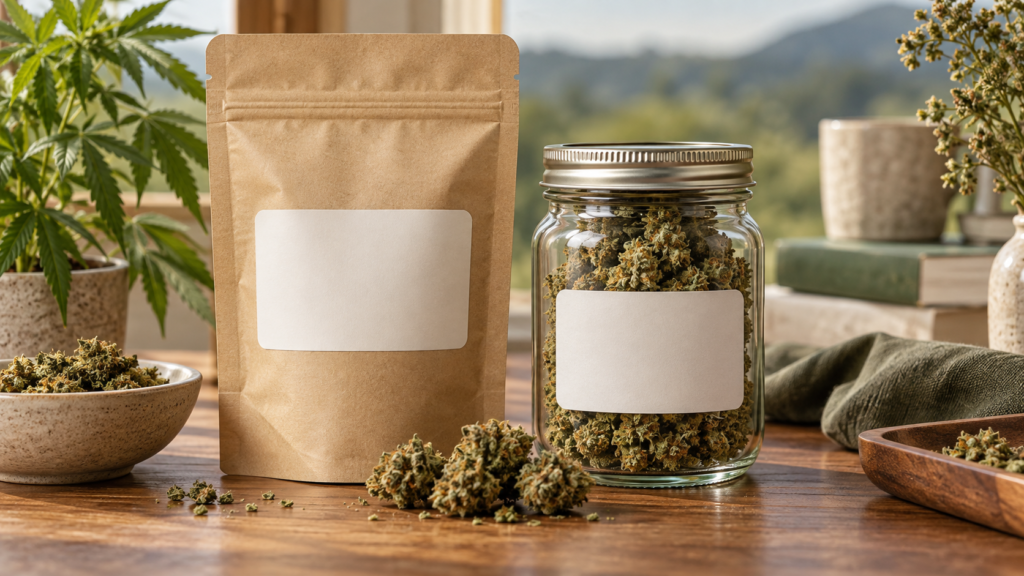
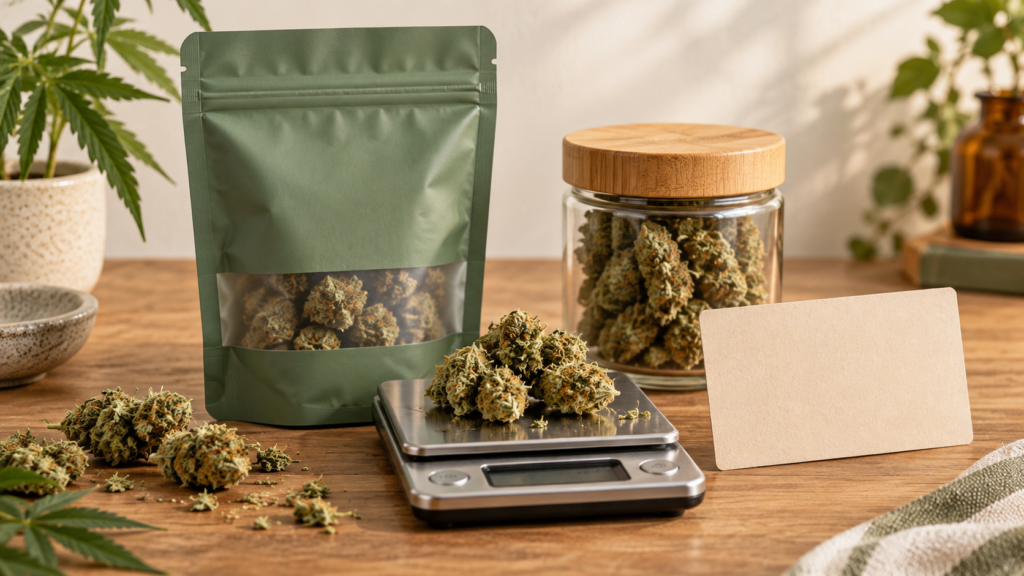
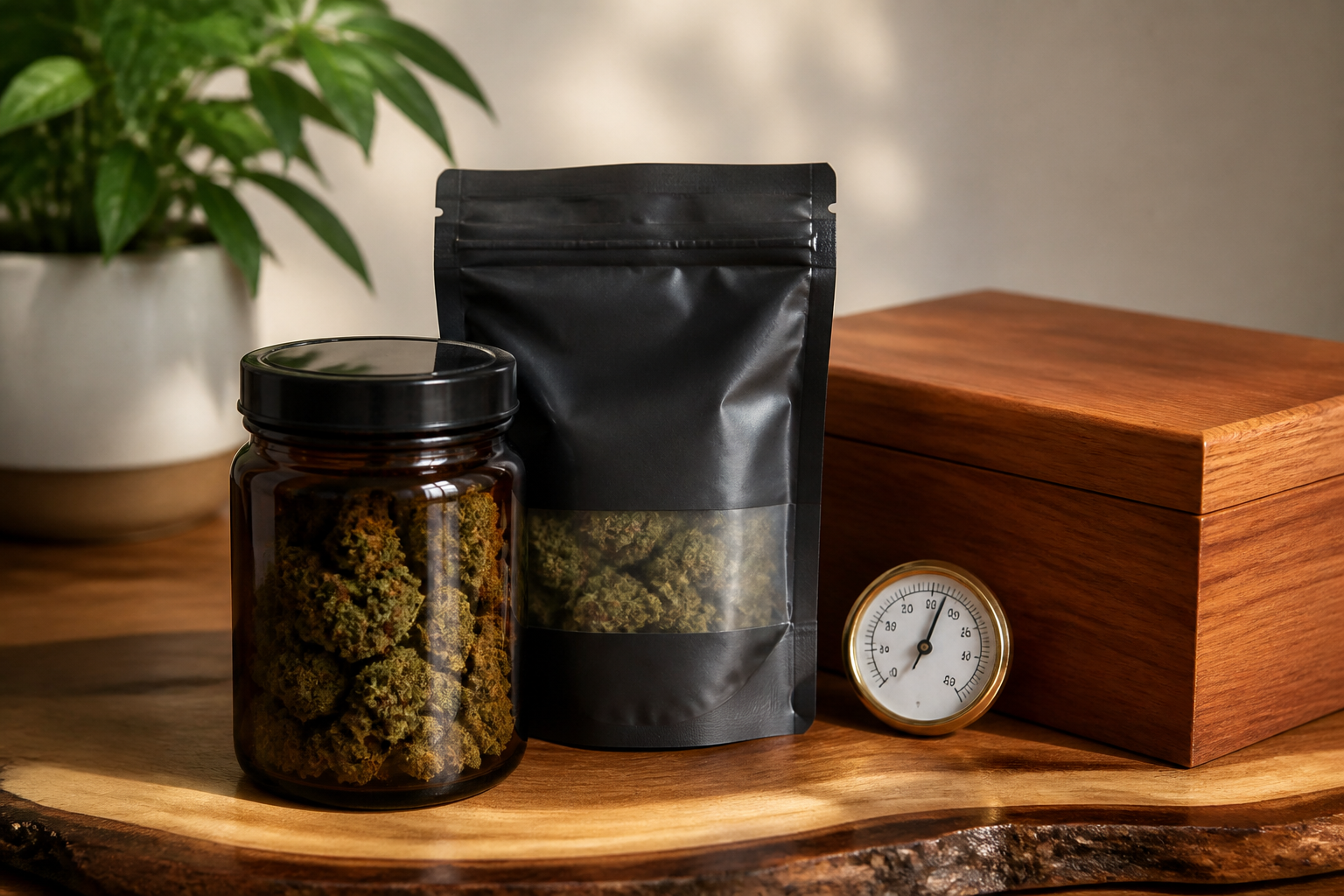
Use a clean, sealed container that protects the flower from light and unnecessary air. The original packaging may be appropriate if it is intact and provides a reliable closure. An opaque glass jar or purpose-built container can also work when it is clean, dry, and clearly associated with the original label.
A container should not introduce strong odors or residues. Do not use a container that previously held cleaning chemicals, fragrance, food with a strong smell, or another material that could transfer odor. Do not overfill the container to the point that the flower is crushed, and do not leave it open while inspecting it for long periods.
Light, heat, and location
Choose a cool, stable location away from direct sunlight, radiators, appliances, hot vehicles, and windows with intense afternoon light. A dark cabinet is often more practical than a countertop. Avoid locations where temperature changes sharply, such as a garage, attic, or car. Heat can also damage packaging and make labels or seals harder to read.
Keep the container away from children and pets. The CDC notes that cannabis products can create health risks and that accidental exposure is a serious concern. Edible products deserve particular care because they can resemble ordinary food, but flower and concentrated products should also be stored securely.
Humidity and moisture
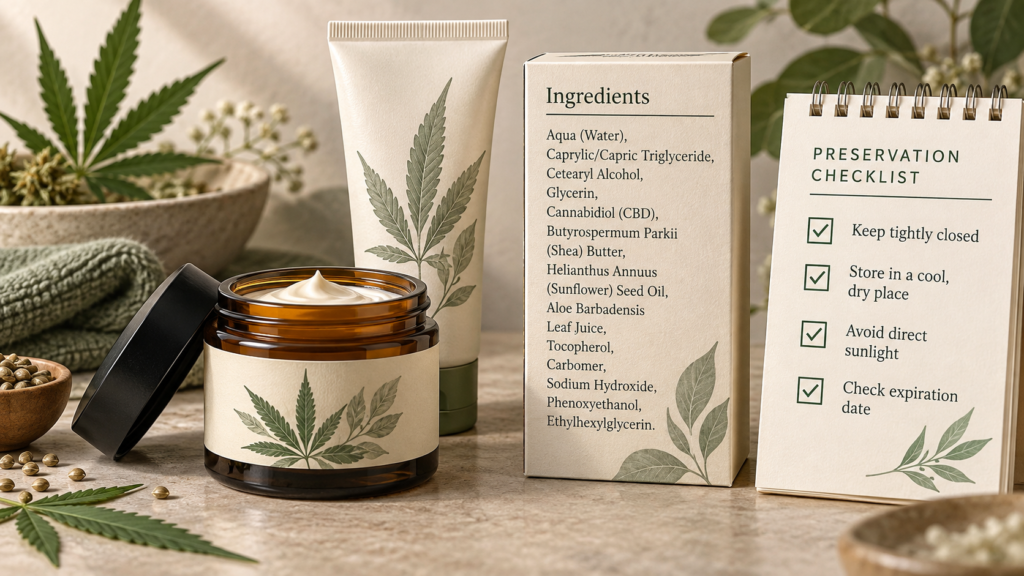
Moisture management requires balance. Excess moisture can create unpleasant storage conditions, while overly dry material may change texture and handling. Do not add water, fruit, wet paper, or homemade moisture sources to a product. If you use a commercial humidity product, follow its instructions and make sure it is appropriate for the container and product.
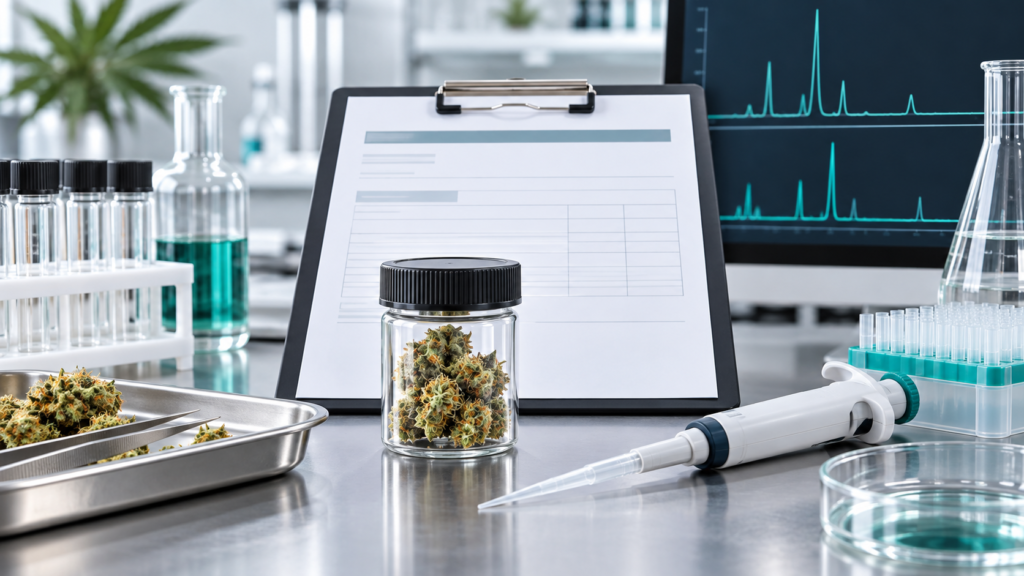
A small hygrometer can help you observe the container environment, but it does not test cannabinoid content, contamination, or legal status. It is a storage tool, not a laboratory instrument. If you notice condensation, damp packaging, a musty smell, or visible growth, stop using the product and contact the seller.
What to record before storing flower
- Photograph the package front and back.
- Record the product name and net weight.
- Write down the batch or lot number.
- Save the current COA or product report.
- Record the package date or test date when shown.
- Keep the seller’s support and shipping information.
- Note any visible damage or mismatch before opening.
This record helps you distinguish a storage change from a product or packaging issue. It also lets you match the flower to the correct report later. Our cannabis batch-number guide explains why the identifier matters.
How often should you open the container?
Open the container only when needed. Repeated opening introduces fresh air and increases handling. Use clean, dry hands or an appropriate tool, and avoid touching more of the product than you need. Do not leave the lid loose after inspection. If the product is shared, keep the original label and storage instructions available so the next adult user understands the item.
How to inspect flower after delivery
Start with the package, not the flower. Check whether the seal is intact, the label matches the order, and the batch number is readable. Then inspect the material for obvious packaging moisture, unusual odor, damaged pieces, or visible contamination. Appearance and aroma can provide useful observations, but they cannot prove CBD or THC amounts and cannot replace a COA.
If the product arrives leaking, wet, moldy-looking, mislabeled, or materially different from the listing, photograph it and contact the seller. Avoid using a questionable product while waiting for instructions. Keep the package, receipt, and report so the seller can identify the item.
Storage and COA evidence
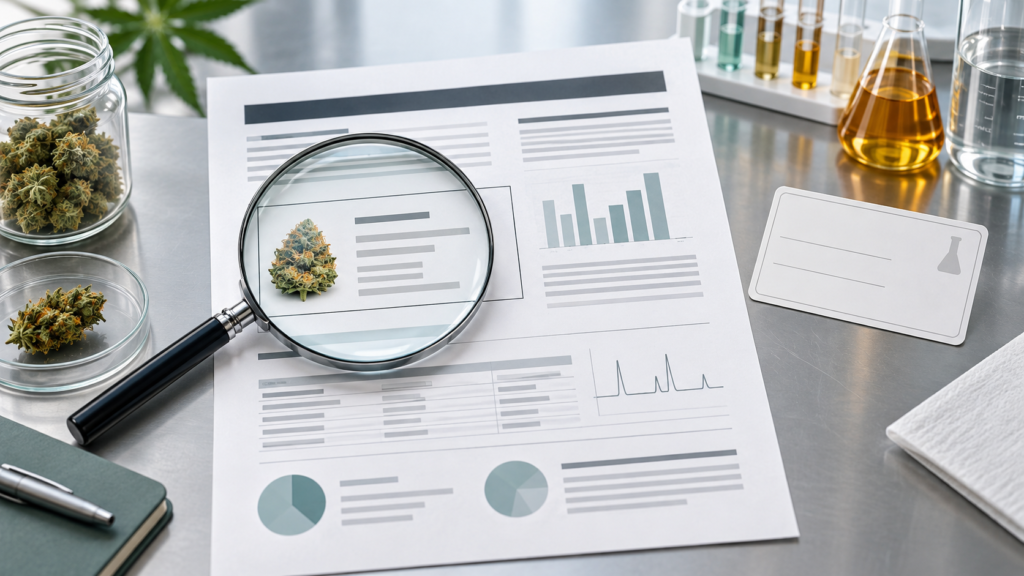
Storage does not update an old COA. When you buy a new batch, review the current report and match it to the package. Use the CBD COA comparison guide to check the product identity, batch, lab, date, units, and testing panels. A storage container cannot fix a report that belongs to another product.
The FDA has warned that consumer CBD quality can be uncertain and that some products may contain different amounts than claimed or contaminants. That makes careful documentation useful, but it does not mean a buyer can verify every quality question at home. Stay within the evidence provided by the label and report.
Common storage mistakes
- Leaving flower in direct sunlight or a hot vehicle.
- Using a container with strong residue or odor.
- Adding household moisture sources.
- Throwing away the original label and batch number.
- Storing product where children or pets can reach it.
- Assuming a hygrometer proves laboratory quality.
- Using flower that has unusual moisture, odor, or visible contamination.
- Confusing “fresh” marketing language with a tested freshness claim.
Storage, responsible use, and health boundaries
Storage advice should not be confused with medical advice. The FDA states that many questions about CBD safety remain unresolved and that consumers should speak with a healthcare provider before using CBD products, especially when medications or special circumstances are involved. The CDC explains that cannabis use can involve impairment and other health risks. Do not drive or operate equipment while impaired, and do not use cannabis-derived products for a child or pet without appropriate professional guidance.
How destination rules affect storage
Local rules can affect what products an adult may possess, receive, or transport. Packaging and storage at home do not make a product lawful in every location. Review the seller’s shipping policy and current regional availability information. Rules can change, so treat a current page and local authority as more reliable than a general social-media statement.
Frequently asked questions
What is the best container for cannabis flower?
Use a clean, sealed, light-protective container that preserves the original label and batch information. The original package may be suitable if it remains intact.
Should cannabis flower be refrigerated?
Do not assume refrigeration is necessary or appropriate. Temperature changes and condensation can create handling problems. Follow the product’s instructions and choose a cool, stable location.
Can a humidity pack prove quality?
No. It may help manage storage conditions when used correctly, but it cannot confirm cannabinoid amounts, contaminants, or legality.
What if stored flower smells musty?
Stop using it, keep the product and packaging, photograph the condition, and contact the seller. Do not try to mask the smell or “fix” the material with household products.
A simple weekly storage routine
Once a week, check the container without leaving it open: confirm the lid is secure, the product remains labeled, there is no condensation, and the storage location is still cool and inaccessible to children and pets. If the package has a batch-linked QR code or report, keep that information with the container. A short routine is more reliable than changing containers or adding products whenever the flower looks different.
Bottom line
If you are unsure whether a change is caused by storage, packaging, or the original product, do not guess from appearance alone. Keep the item isolated, preserve the label and batch information, and ask the seller for a documented answer.
Good cannabis flower storage is cool, stable, sealed, light-protected, traceable, and inaccessible to children and pets. Keep the original label and batch record, inspect the package on arrival, avoid improvised moisture or heat, and use a current COA for product verification. For more education, visit the Herbxmind blog, review COA batch matching, and contact support when storage or packaging details do not make sense.
Editorial note: This article is educational content for adults where permitted. It is not medical advice, legal advice, or a guarantee that any product is safe, lawful, or suitable for a particular person.