

Quick answer: CBD flower and hemp flower are often used as overlapping retail terms, but the words alone do not tell you the complete cannabinoid profile, the tested batch, or whether a product can be legally purchased or shipped to your destination. Compare the product’s actual label, total weight, cannabinoid results, batch number, COA, ingredients, packaging date, and destination policy before making a decision.
People searching for CBD flower vs hemp flower are usually trying to understand whether two listings describe the same type of product. Sometimes they do. Sometimes a seller is using “hemp flower” as a broad source description while “CBD flower” emphasizes a cannabinoid profile. A careful buyer should move past the front-of-package wording and review the evidence attached to the specific product.
What is CBD flower?
CBD flower generally refers to the flowering material of hemp that is marketed as containing a meaningful amount of cannabidiol, or CBD. The flower may also contain other cannabinoids and aromatic compounds. The name does not guarantee a particular CBD percentage, THC amount, harvest date, growing method, or testing standard. Those details should appear in the product listing, package, or current laboratory report.
“CBD flower” is therefore a product description, not a complete quality grade. Two products with the same label can have different weights, cannabinoid profiles, moisture levels, trim quality, packaging, and batch documentation. If the listing does not show enough information to compare those factors, ask the seller before ordering.
What is hemp flower?
Hemp flower usually refers to flower from hemp plants, but sellers may use the phrase to emphasize the plant source rather than one particular cannabinoid. A hemp flower listing may be CBD-dominant, contain several cannabinoids, or be marketed around a different hemp-derived profile. The word “hemp” by itself does not answer how much CBD or THC is in the finished product.
Federal hemp rules and retail rules are not the same thing. The FDA explains that removing hemp from the federal Controlled Substances Act did not remove the agency’s authority over products containing cannabis-derived compounds. State and local rules, product form, labeling, age requirements, and shipping restrictions can also matter. Review the FDA cannabis and CBD regulatory information and the seller’s destination policy rather than treating “hemp” as a universal legal answer.
CBD flower vs hemp flower: the practical comparison
| Comparison point | What the buyer should verify |
|---|---|
| Product name | Does the name match the actual flower and package? |
| Cannabinoids | What are the CBD, THC, and other cannabinoid results? |
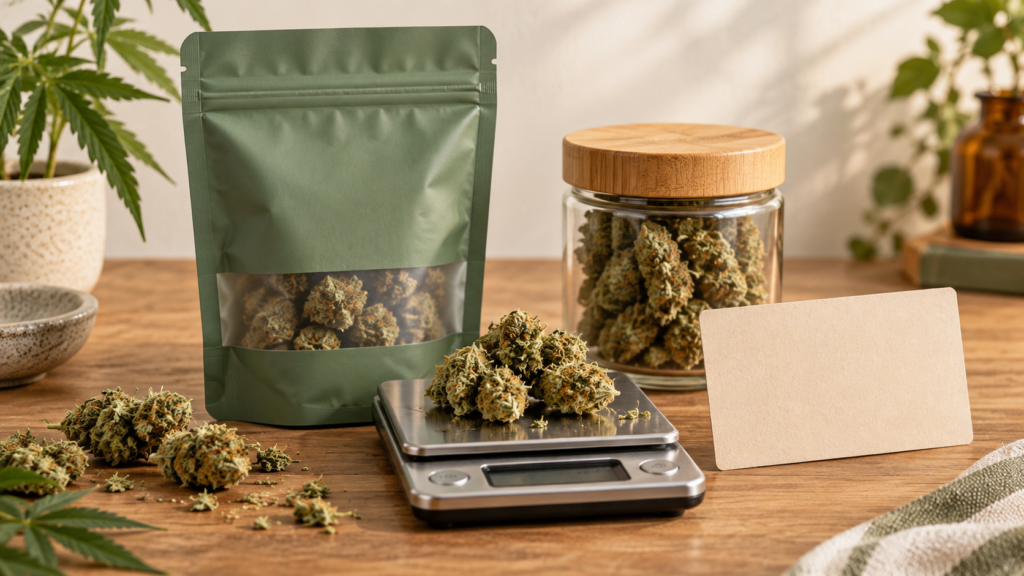
| Weight | Is the net weight clear and consistent with the package? |
| Batch identity | Can the lot number be matched to a current COA? |
| Quality panels | Does testing cover the categories relevant to the product? |
| Storage | Does the seller explain protection from heat, light, moisture, children, and pets? |
| Destination | Can the exact product be shipped to the buyer’s location? |
How to read the cannabinoid profile
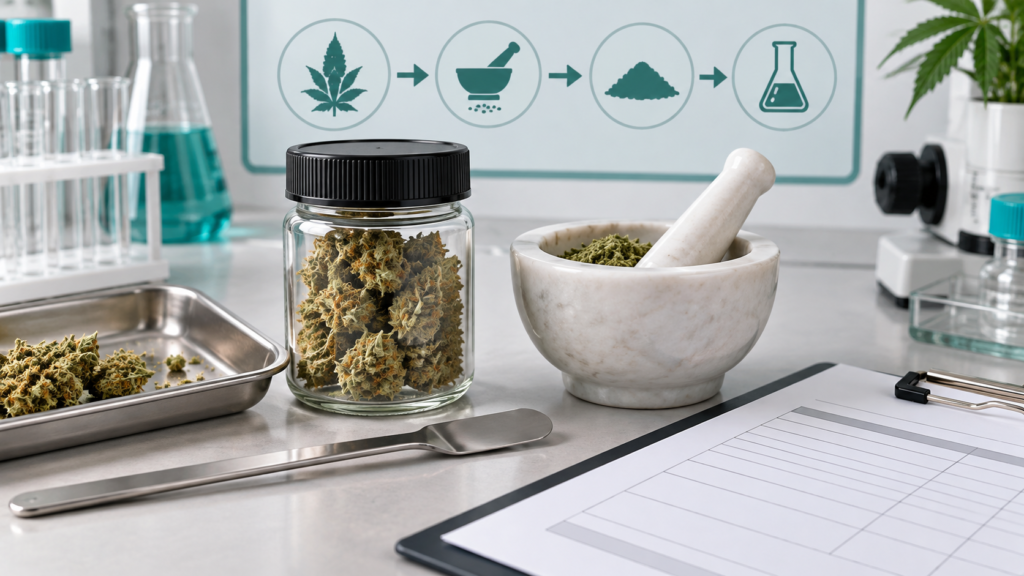
Start with the laboratory table rather than the strain name. Look for total CBD, total THC, delta-9 THC, and any additional cannabinoids listed for the tested sample. Pay attention to units: a percentage, milligrams per gram, and total milligrams per package describe different quantities. If the product page uses one unit and the COA uses another, convert carefully or ask the seller to explain the calculation.
Do not treat a high CBD number as proof of superior quality. Concentration is only one part of a buying decision. A lower-concentration product with transparent ingredients and a current batch report may be easier to evaluate than a highly promoted product with no readable documentation. Also remember that a cannabinoid result describes the sample tested; it does not prove that every future batch will be identical.
How to match a COA to flower
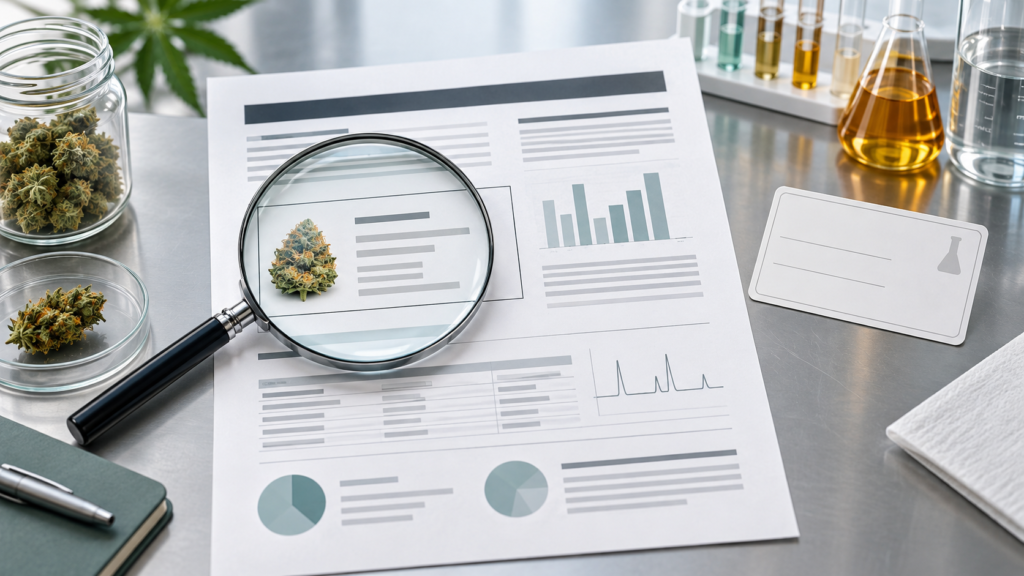
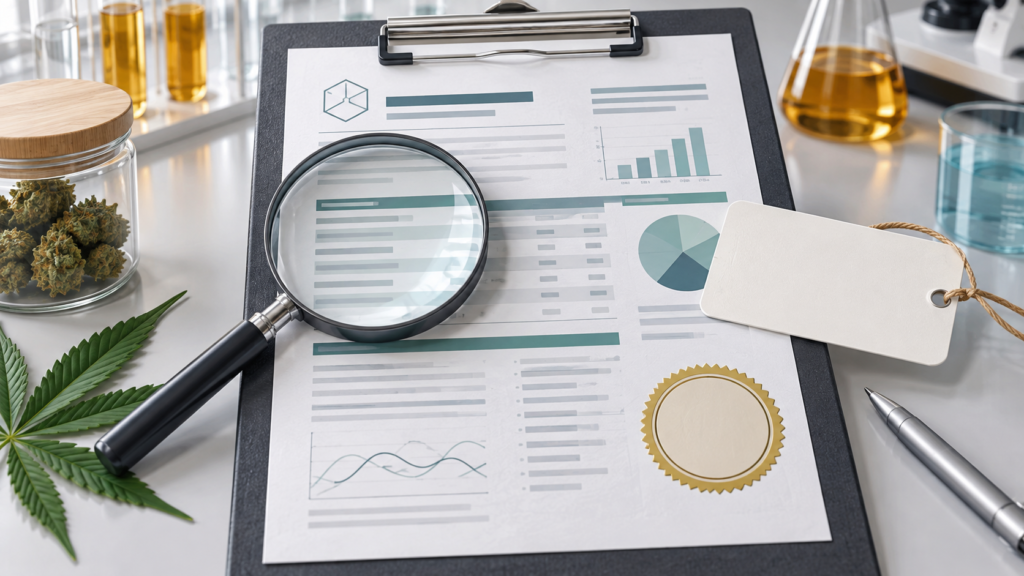
A COA, or certificate of analysis, is most useful when it is traceable to the package in front of you. Confirm these five connections:
- Product identity: the report names the same product or batch family.
- Batch or lot: the identifier matches the package or product page.
- Test date: the report is reasonably current for the item being sold.
- Laboratory identity: the lab is named and the report is readable.
- Relevant panels: the report shows the categories needed for that flower product.
Use the Herbxmind CBD COA comparison guide for a more detailed process. A QR code can make a report easier to access, but the presence of a QR code is not proof that the report is current or authentic. Open it, compare the information, and save a copy for your purchase records.
What the flower’s appearance can—and cannot—tell you
Buyers often compare color, density, visible trichomes, trim, aroma, and dryness. Those observations can help you notice obvious packaging or storage issues, but they are not laboratory confirmation of CBD content, THC content, contamination status, or legal classification. Visual inspection is a first-hand product check, not a replacement for testing.
Flower should arrive in intact packaging with the batch information available. Avoid using a product that is wet, unusually musty, visibly contaminated, leaking packaging moisture, or missing important identity details. Photograph the item and contact the seller when the package arrives damaged or materially different from the listing.
Harvest, packaging, and storage checks
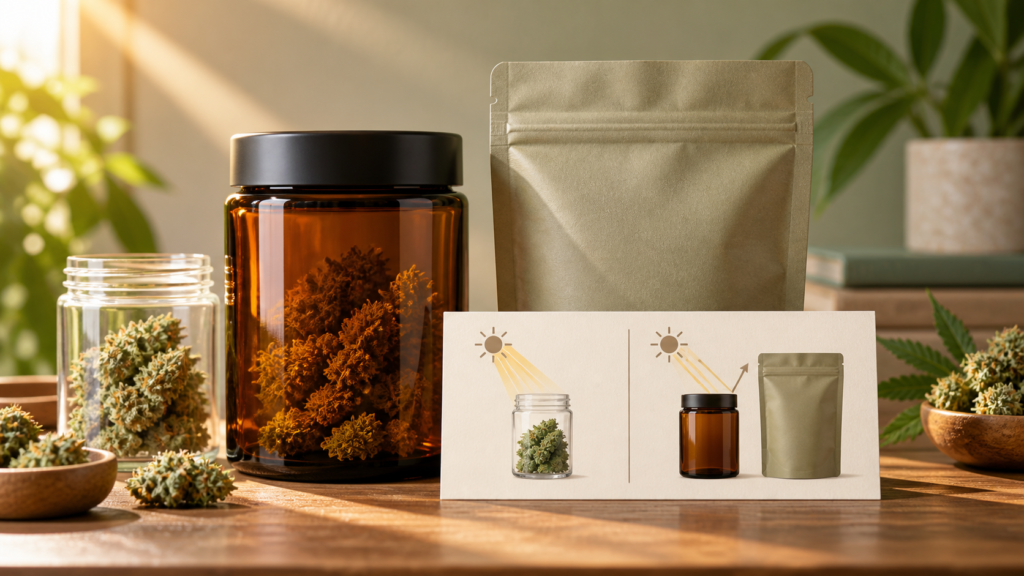
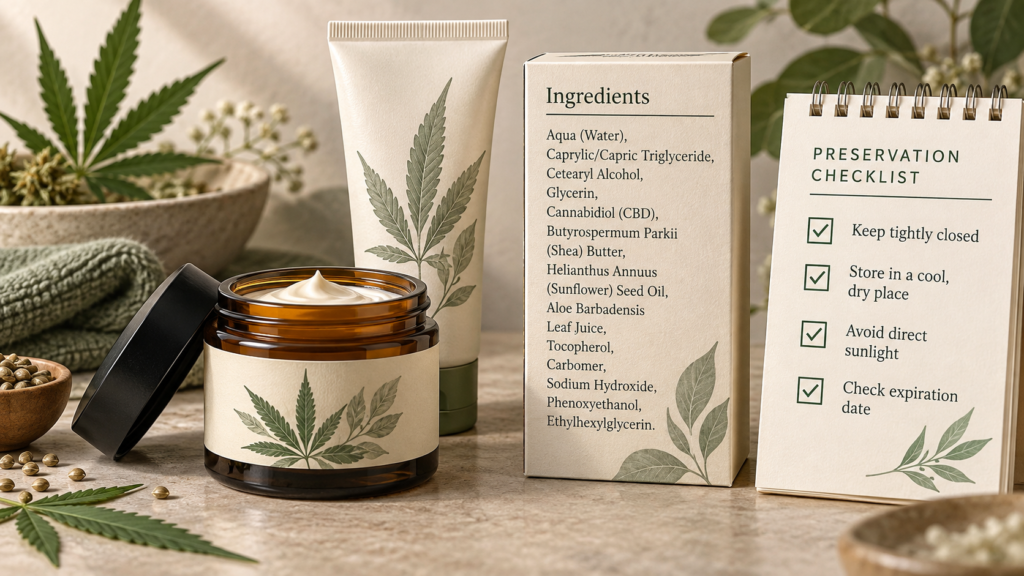
Flower is sensitive to light, heat, moisture, and prolonged air exposure. A responsible listing should explain how the product is packaged and stored. Look for a net weight, package date or batch reference when available, storage directions, and a sealed container. Once received, keep the product in its original package or another appropriate sealed container, away from heat and direct sunlight. Keep all cannabis-derived products away from children and pets.
CBD flower, hemp flower, and product intent
The same flower may be marketed for different consumer interests: cannabinoid education, aroma comparison, collection, or adult-use consumption where permitted. Product intent matters because legal restrictions and safety considerations can differ by use and jurisdiction. Herbxmind content focuses on informed retail comparison, not on diagnosing conditions, treating disease, or promising a particular personal result.
The FDA warns that many consumer CBD questions remain unresolved and that CBD products should not be assumed to be harmless or medically approved. Read the agency’s consumer update on CBD and cannabis-derived products. If you take medication, are pregnant or breastfeeding, have a health condition, or are considering a cannabis-derived product for a minor or pet, speak with an appropriate healthcare professional.
Shipping and destination rules
A product being visible in an online store does not mean it can be shipped everywhere. Rules can depend on the state, local jurisdiction, carrier, product form, cannabinoid profile, age verification, and packaging. Before checkout, review where we ship, the legal disclaimer, and any product-specific notice. Do not rely on a social-media claim or an old blog post when the rule could have changed.
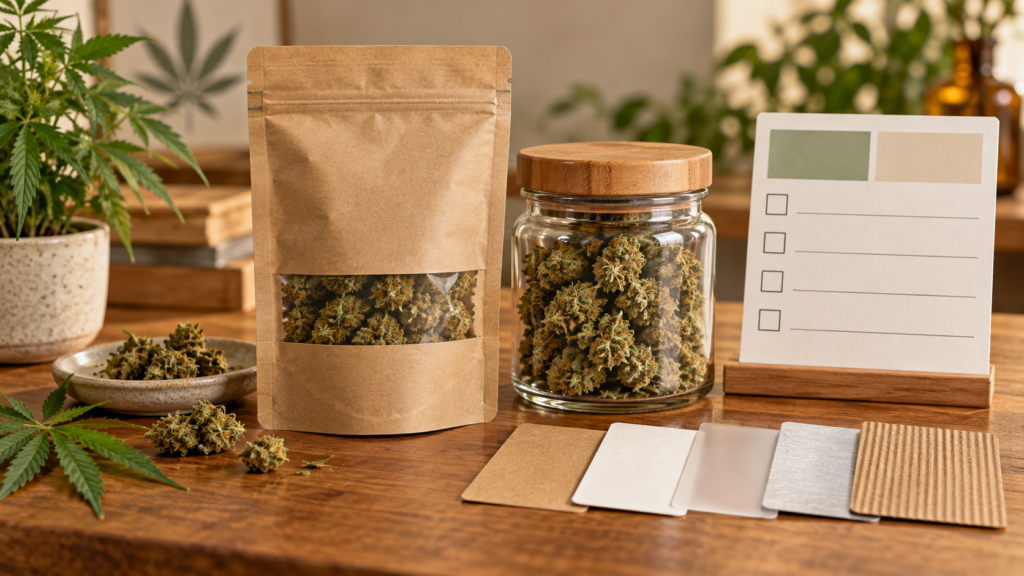
Buyer checklist
- Confirm whether the listing is CBD flower, hemp flower, or a broader hemp-derived product.
- Record the net weight and the complete cannabinoid profile.
- Check the ingredient and packaging information.
- Find the lot or batch number.
- Match the batch to a current COA.
- Review testing categories and evidence boundaries.
- Check storage, age, and destination requirements.
- Save the product page, receipt, package photo, and report.
Common mistakes in CBD flower comparisons
The first mistake is treating “hemp” as a quality certification. It is not. The second is comparing strain names while ignoring cannabinoid results. The third is assuming that a QR code, a lab badge, or the words “third-party tested” automatically prove that the report matches the current product. The fourth is making a medical or legal conclusion from a retail description. A responsible comparison stays close to what the label, report, and applicable policy can actually support.
Frequently asked questions
Is CBD flower the same as hemp flower?
Sometimes sellers use the terms interchangeably, but they are not a substitute for the actual cannabinoid profile, batch report, and product label. Compare the evidence for the specific item.
Does hemp flower contain THC?
It can contain measurable THC or other cannabinoids. Check the current COA and the label rather than assuming that “hemp” means zero THC.
Does appearance prove flower quality?
No. Appearance can reveal some storage or packaging concerns, but it cannot confirm cannabinoid amounts or contaminant results.
Can CBD flower be shipped to every state?
No universal answer is reliable. Check the exact product, destination, current seller policy, and applicable local rules before ordering.
How to document your comparison
Before completing an order, save the product URL, the visible label information, the current COA, and the destination policy. When the package arrives, photograph the batch number and compare it again. This simple record makes it easier to identify a mismatch, ask a precise customer-service question, or decide not to use a product that arrived damaged. It also keeps the comparison based on the exact item you evaluated rather than on a general category name.
Bottom line
When comparing CBD flower vs hemp flower, choose the product you can verify rather than the one with the most persuasive name. Read the label, match the batch to the COA, review storage and destination information, and keep your expectations within the evidence. For more label education, visit the Herbxmind blog, browse hemp flower information, and contact us through customer support when a key detail is missing.
Editorial note: This article is educational content for adults where permitted. It is not medical advice, legal advice, or a guarantee that any product is safe, lawful, or suitable for a particular person.