
As global interest in plant-based mental wellness reaches an all-time high, the marketplace for cannabidiol (CBD) has expanded at a bewildering pace. Consumers are confronted with an overwhelming array of oils, gummies, topicals, and capsules, each accompanied by sweeping promises of instant relief and total transformation.

Unfortunately, this rapid commercialization has outpaced public scientific literacy. The market is saturated with misinformation, low-quality industrial byproducts masquerading as premium wellness elixirs, and deep confusion regarding the basic chemistry of the cannabis plant.
To make empowered, safe, and effective choices for your mental wellness, it is essential to cut through the marketing noise. This educational blueprint serves as an objective, science-first guide to de-bunking common myths, understanding botanical extractions, and establishing a bulletproof framework for evaluating premium quality—principles that form the transparent foundation of Herbxmind.
+-----------------------------------------------------------------------------------+
| EXTRACT COMPARISON AT A GLANCE |
+-----------------------------------------------------------------------------------+
| SPECIFICATION | FULL-SPECTRUM | BROAD-SPECTRUM | CBD ISOLATE |
+--------------------+-----------------------+------------------------+-------------+
| CBD Concentration | High | High | 99% Pure |
| THC Content | Trace (<0.3%) | 0.0% (Non-detectable) | Completely 0|
| Other Cannabinoids | Present (CBG, CBN...) | Present (CBG, CBN...) | Stripped Away|
| Terpenes/Flavonoids| Fully Retained | Fully Retained | Completely 0|
| Entourage Effect | Maximum Potential | High Efficiency | Absent |
+-----------------------------------------------------------------------------------+
Myth 1: “CBD is Psychoactive and Will Get You High”
The most persistent barrier keeping individuals from utilizing botanical wellness is the lingering stigma connecting all cannabis derivatives to recreational intoxication.
To clear this misconception, we must look at basic molecular geometry. The cannabis plant synthesis over a hundred different cannabinoids, the two most prominent being Tetrahydrocannabinol (THC) and Cannabidiol (CBD). While their chemical formulas are remarkably similar, their structural arrangements differ in a critical way.
THC possesses a cyclic ring that allows it to bind perfectly and lock into the CB1 receptors located within the human brain’s reward center, triggering a massive release of dopamine and causing the classic psychoactive “high.”
CBD, conversely, has a hydroxyl group oriented in a position that physically prevents it from binding directly to CB1 receptors. Instead, it functions as a weak antagonist or an allosteric modulator—essentially acting like a guard that sits next to the receptor, altering how other molecules interact with it.
Therefore, pure CBD is fundamentally non-intoxicating. It delivers a noticeable “somatic grounding”—a reduction in physical tension, a slowing of a hyper-active mind—without altering your cognitive faculties, spatial awareness, or sobriety. You remain completely lucid, sharp, and in control.
Myth 2: “All CBD is Created Equal” (Understanding Isolate vs. Full & Broad Spectrum)
Many consumers buy a cheap CBD product at a local convenience store, experience zero therapeutic benefits, and conclude that “CBD doesn’t work.” In reality, they likely consumed a poorly manufactured chemical isolate. When analyzing cannabinoid products, extractions fall into three distinct categories:
1. CBD Isolate
This is pure, chemically isolated CBD crystal, stripped of every other natural component of the plant. It is cheap to produce at an industrial scale and easy to formulate because it has no distinct taste or smell.
However, seminal research from the Lautenberg Center for General Tumor Immunology in Jerusalem demonstrated that CBD isolate possesses a strict “bell-shaped dose-response curve.” If you take too little, it is ineffective; if you take too much, its efficacy drops off precipitously. Finding the therapeutic window for an isolate is notoriously difficult.
2. Full-Spectrum CBD
This extract retains the entire biological profile of the original hemp plant: CBD alongside trace minor cannabinoids (CBG, CBN, CBC), native flavonoids, and aromatic terpenes.
These compounds work together in a profound biological phenomenon known as the Entourage Effect. When consumed together, the minor cannabinoids and terpenes work synergistically, amplifying the therapeutic benefits of CBD while neutralizing potential side effects. Full-spectrum extracts do not suffer from a restrictive bell-shaped curve; their efficacy increases linearly with the dosage. (Note: Full-spectrum contains federally legal, non-psychoactive trace amounts of THC, typically under 0.3%).
3. Broad-Spectrum CBD
For individuals who want the complete therapeutic power of the entourage effect but are subject to strict workplace drug testing or prefer to avoid THC entirely, broad-spectrum is the ideal solution. It undergoes an advanced chromatography process that selectively isolates and removes 100% of the THC molecule while leaving all other beneficial cannabinoids, terpenes, and plant co-factors completely intact. This highly sophisticated extraction method serves as the core framework for herbxmind’s pristine mental wellness formulations.
The Dirty Secret of the Supply Chain: Heavy Metals and Bio-Accumulation
A critical hazard that receives scant attention in mainstream wellness media is the agricultural nature of hemp. The hemp plant is a powerful hyper-accumulator. This means its root system acts like an ultra-efficient industrial sponge, aggressively absorbing everything present within the surrounding soil—not just nutrients, but also toxic heavy metals (lead, arsenic, cadmium), residual chemical pesticides, and chemical fertilizers.
If a wellness brand sources its hemp from cheap, industrial-grade agricultural runoff sites or mass-scale unverified farms, those concentrated toxins end up directly inside your oil tincture. Over time, consuming these compromised extracts can lead to systemic low-grade inflammation, liver stress, and heavy metal accumulation—the exact opposite of health and wellness.

The Ultimate Checklist for the Discerning Consumer
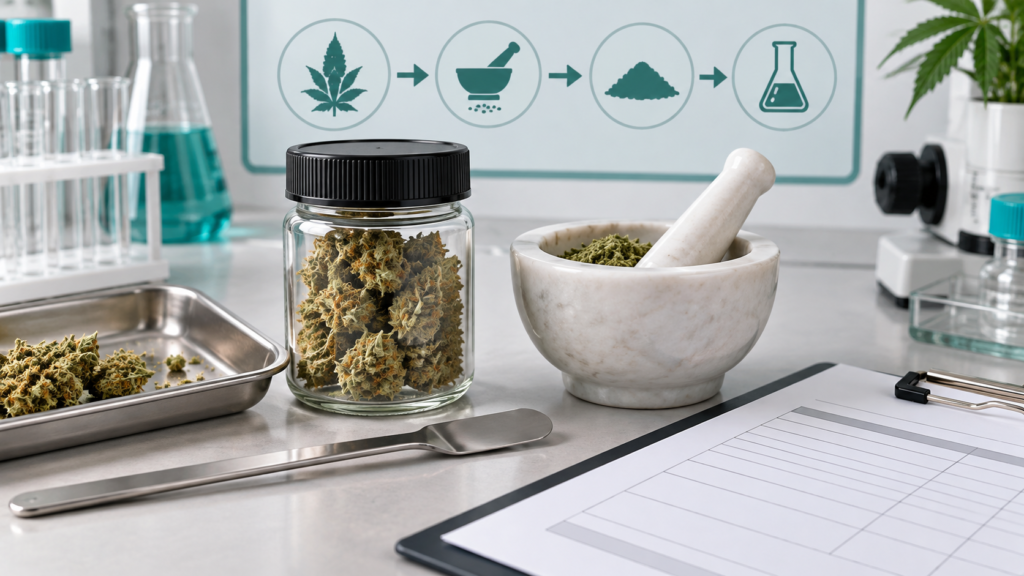
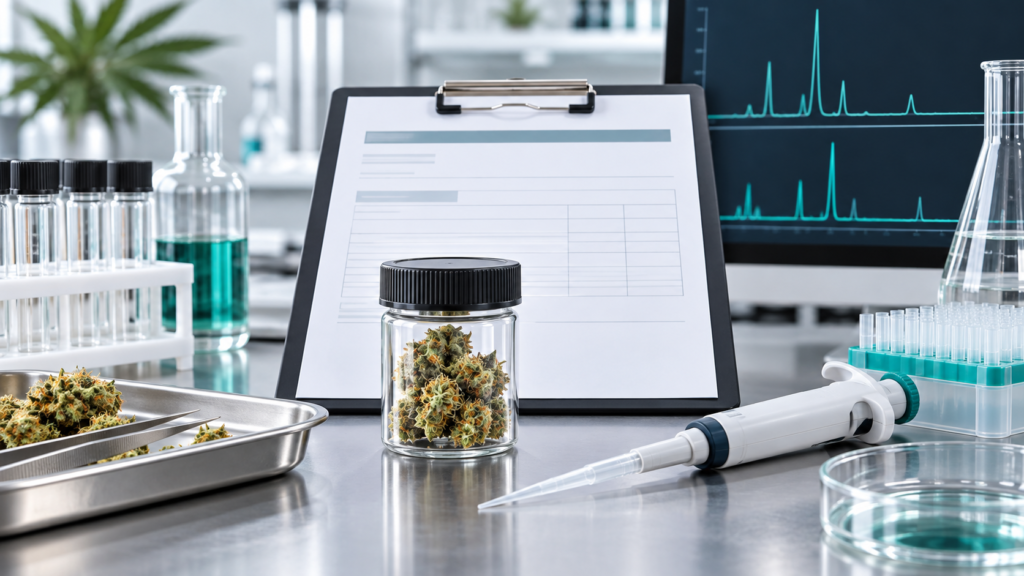
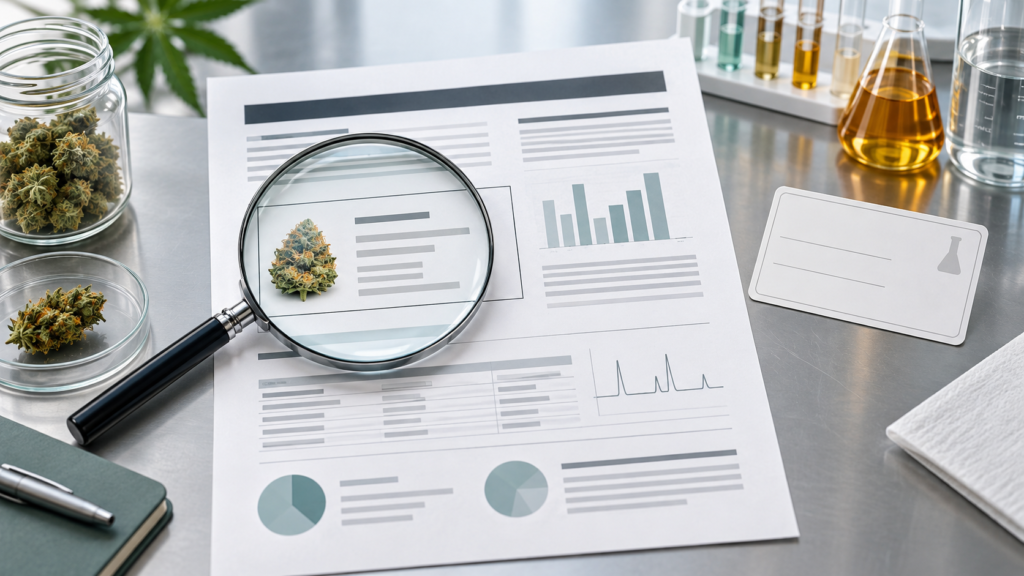
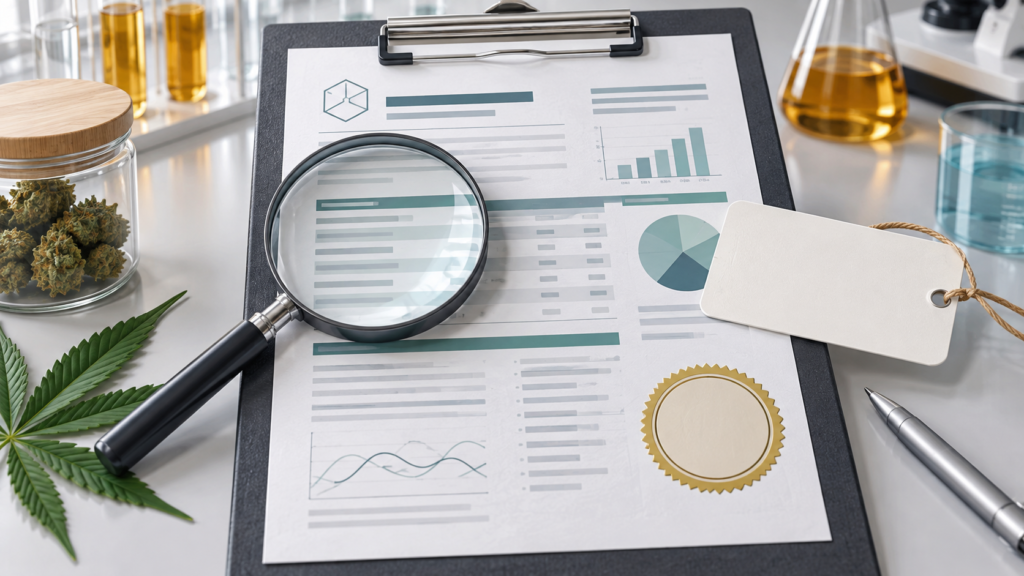
When shopping for CBD to optimize your mental clarity, you must look past artistic packaging and demand empirical proof. Never purchase from a brand that cannot immediately provide a Certificate of Analysis (COA) from an independent, accredited, ISO-certified third-party laboratory. A valid COA is a non-negotiable document that verifies three critical metrics:
- Potency Verification: Ensures that the concentration of CBD printed on the label matches what is actually inside the bottle (under-labeling is a massive issue in unverified brands).
- Terpene Profiling: Validates the presence of native aromatic compounds that actively drive the calming and focus-enhancing effects of the formulation.
- Contaminant Clearance: Explicitly proves that the batch has tested completely negative for heavy metals, chemical residual solvents, microbials, molds, and harsh pesticides.
Conclusion: Trust Through Transparency
The path to holistic wellness should never be built on guesswork. As you evaluate solutions for your mental wellness, remember that premium botanical therapy is a marriage of natural wisdom and rigid scientific discipline. By demanding broad-spectrum purity, prioritizing clean agricultural sourcing, and insisting on absolute laboratory transparency, you protect your biology and invest in authentic cognitive transformation. At herbxmind, we believe that when it comes to your mind, nothing less than absolute clarity will suffice