


Quick answer: Cannabinoids and terpenes are product-identification terms that should be checked against the label and available laboratory documentation. They are not guarantees of focus, calm, sleep, mood, or another personal outcome.
Product pages often use terpene profiles and cannabinoid names to explain aroma, formulation, or batch characteristics. This guide helps adult buyers read that language more carefully.
What cannabinoids describe
Cannabinoids such as CBD, THC, CBG, and CBN can appear in a product’s ingredient or laboratory information. Check the exact compound, concentration, total amount, and units. Product naming conventions can vary, so the label and supporting report matter more than a short marketing phrase.
What terpenes describe
Terpenes are aromatic compounds found in many plants. On a product page, terpene language may describe aroma, flavor, or a reported profile. A terpene name should not be converted into a promise to improve memory, reduce anxiety, increase energy, or change a medical condition.
How to compare the information
- Match the product name and batch to the COA
- Check whether terpene results are reported for the same sample
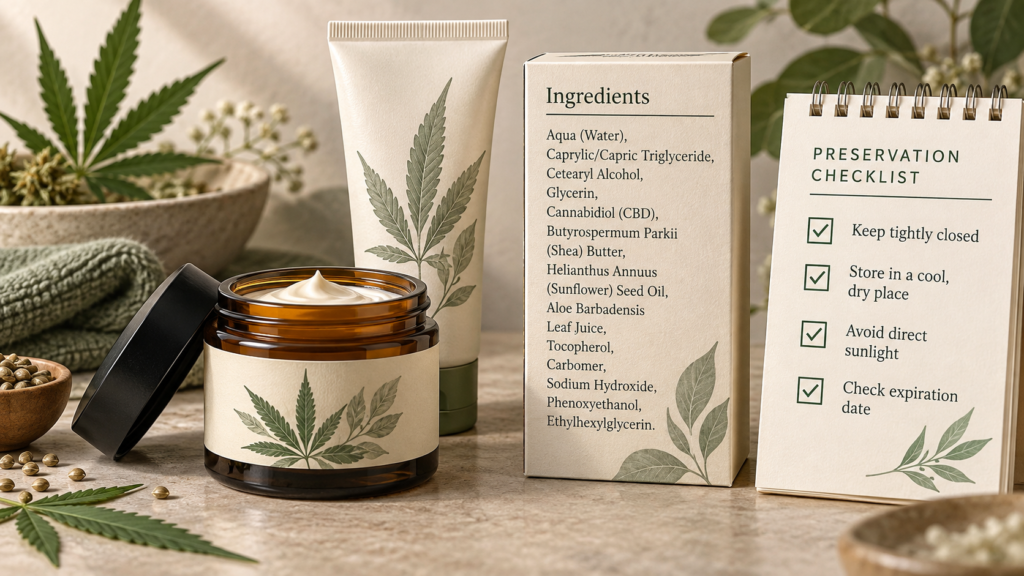
- Review ingredients, carrier, flavor, and product format
- Confirm age, destination, storage, and use instructions
For more practical checks, read the responsible-use information, confirm the shipping policy, and browse available products where permitted.
FAQ
Does a terpene profile guarantee an effect?
No. It describes aromatic or formulation information and does not guarantee an individual result.
Can one COA cover every product flavor?
Do not assume so. Match the exact product and batch.
Product details and regional rules can change. This article is informational only.