

Quick answer: Before ordering a cannabis-derived product, ask the seller about the exact product format, ingredients, cannabinoid amounts, batch number, current COA, shipping destination, age requirements, storage, and customer-support process. A reliable seller should answer clearly without promising medical results, universal legality, or a guaranteed personal experience.
Searching for the right questions to ask a cannabis seller usually means you are close to making a purchase but still have unanswered questions. That is the best time to slow down. Product names, flavor descriptions, and attractive images can make two listings look similar even when the formulas, testing records, packaging, and shipping rules are different. A short, practical conversation with the seller can reveal whether the product page is transparent enough to support an informed decision.
Why seller questions matter
Online cannabis and hemp-derived product listings often combine consumer education with sales copy. That is not automatically a problem, but buyers need to separate measurable information from promotional language. The U.S. Food and Drug Administration has explained that many questions remain about the safety and quality of consumer CBD products, and it warns against assuming that retail CBD is harmless or medically approved. Read the FDA consumer update about CBD and cannabis-derived products when evaluating a seller’s claims.
The goal of asking questions is not to demand a guarantee the seller cannot provide. The goal is to confirm what the seller knows, what documentation exists, and what remains uncertain. A seller who explains evidence boundaries is usually more useful than one who gives an overly confident answer to every question.
Questions about the exact product
1. What is the product format?
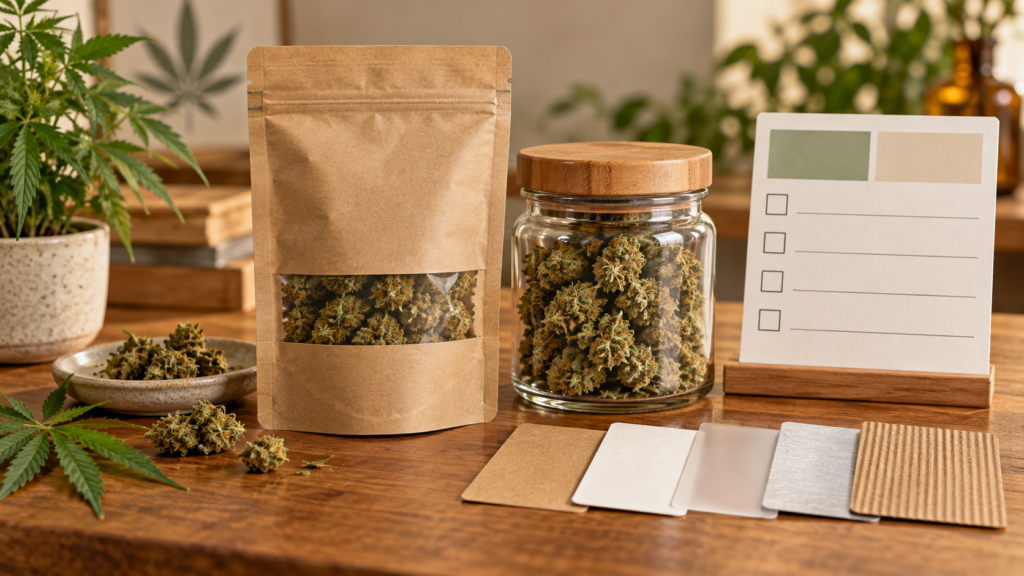
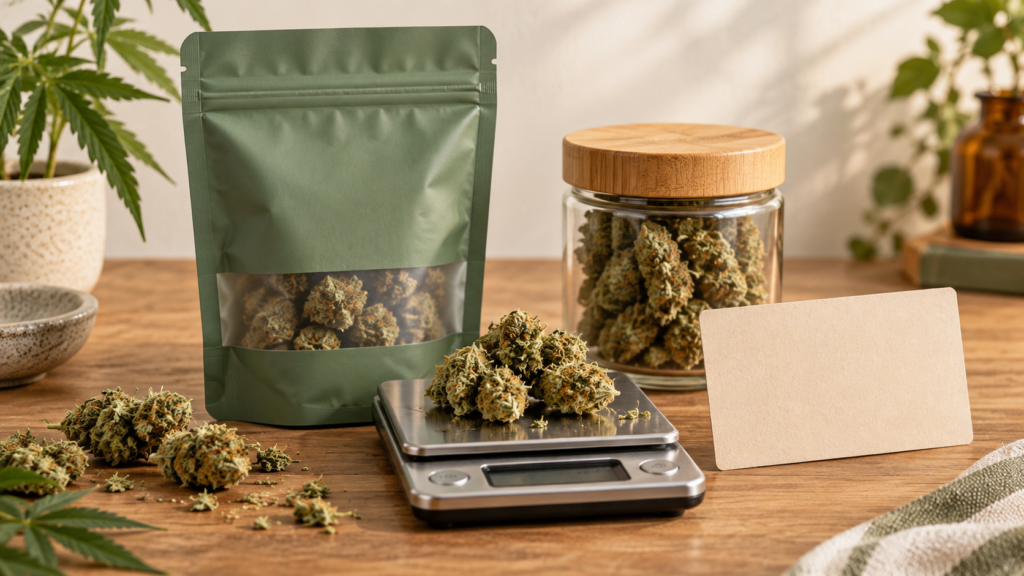
Ask whether the product is flower, a vape, a gummy, an oil, a capsule, a topical, or another format. Route of use matters. An oil intended for oral use should not automatically be treated as a vape formula, and a flower product should not be evaluated using an edible serving label. Ask for the complete product description if the title is vague.
2. What is the complete ingredient list?
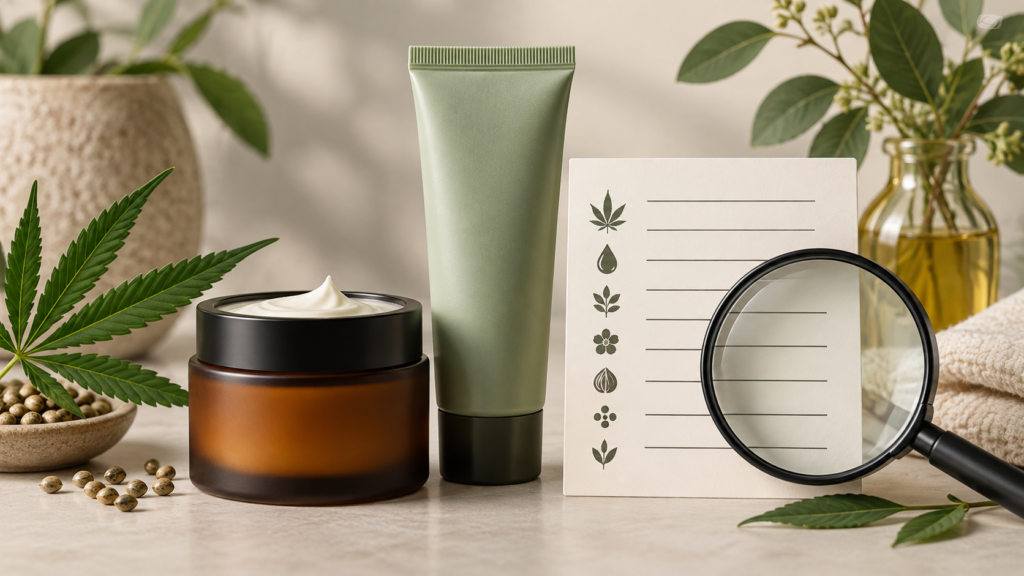
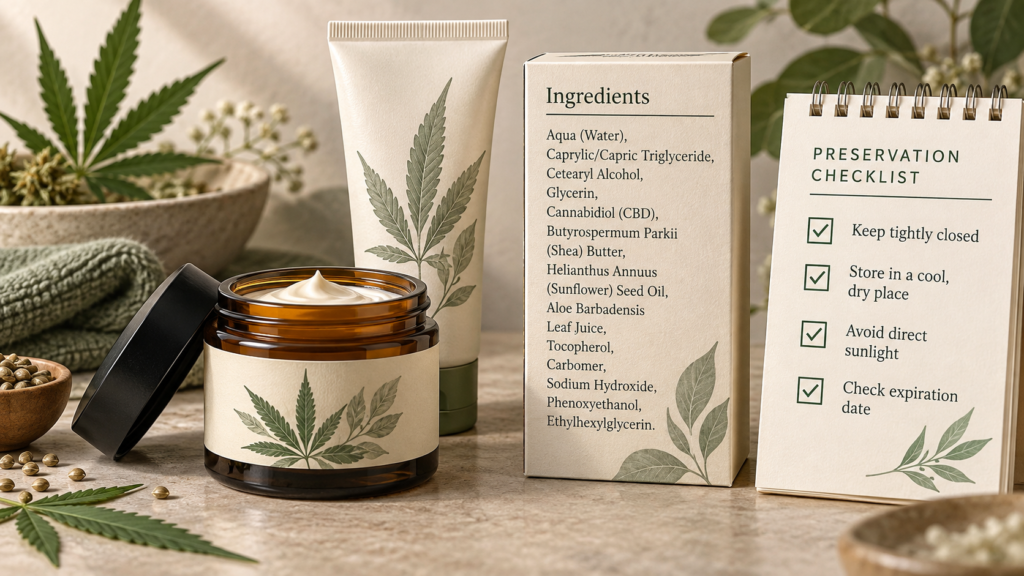
Request every ingredient, including carrier oils, sweeteners, flavoring agents, botanical extracts, terpenes, preservatives, and additional cannabinoids. “Natural,” “clean,” and “premium” are not ingredient lists. If an ingredient is unfamiliar, ask what function it serves and whether it is intended for this product format.
3. How much product is in the package?
Confirm net weight, liquid volume, piece count, and total cannabinoid amount. Then ask whether the labeled serving is one piece, one milliliter, one dropper, or another quantity. Package totals and per-serving amounts are different measurements. Our serving-size label guide explains how to avoid comparing unlike units.
4. What are the CBD and THC amounts?
Ask for the actual cannabinoid profile rather than a broad “hemp” statement. Depending on the product, you may need to check CBD, total THC, delta-9 THC, THCA, CBG, or other listed cannabinoids. Ask which units are used and whether the numbers come from the current finished-product batch.
Questions about testing and COAs
5. What batch or lot does this product come from?
A batch or lot number connects the product in the package to production and laboratory records. Ask where the identifier appears on the product and whether it will match the COA. If the seller cannot identify the batch, the quality claim is harder to verify.
6. Can I see the current COA before ordering?
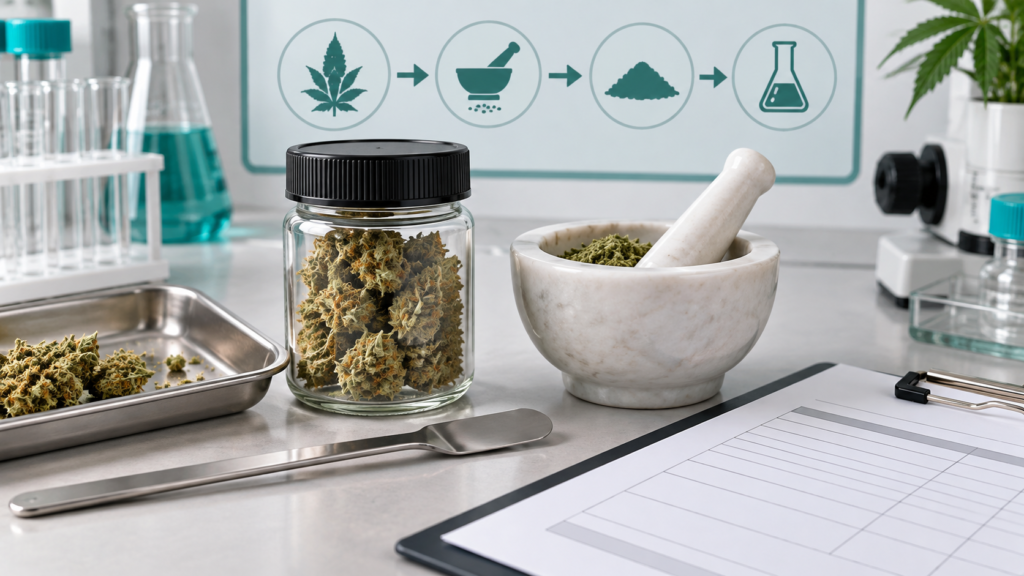
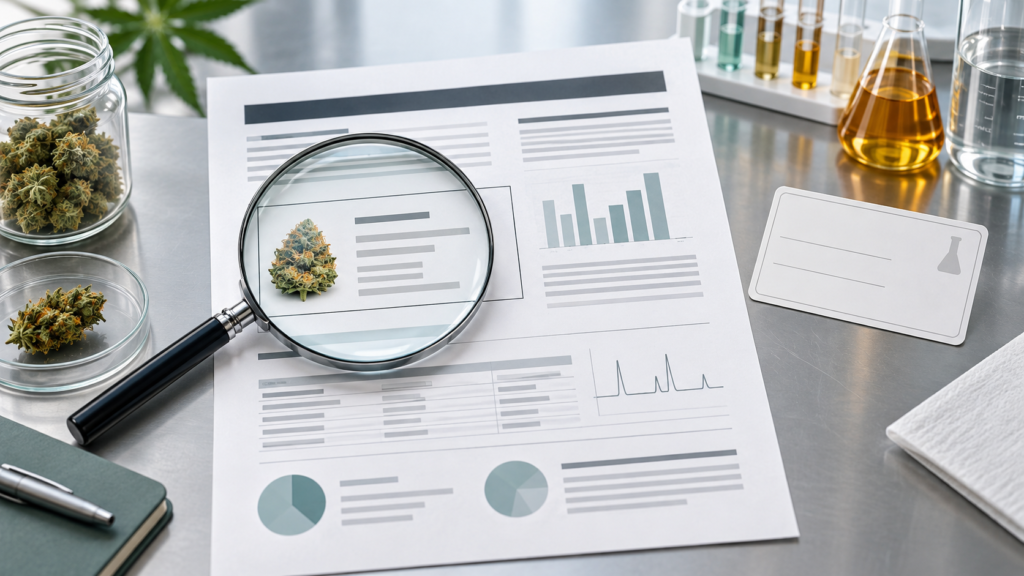
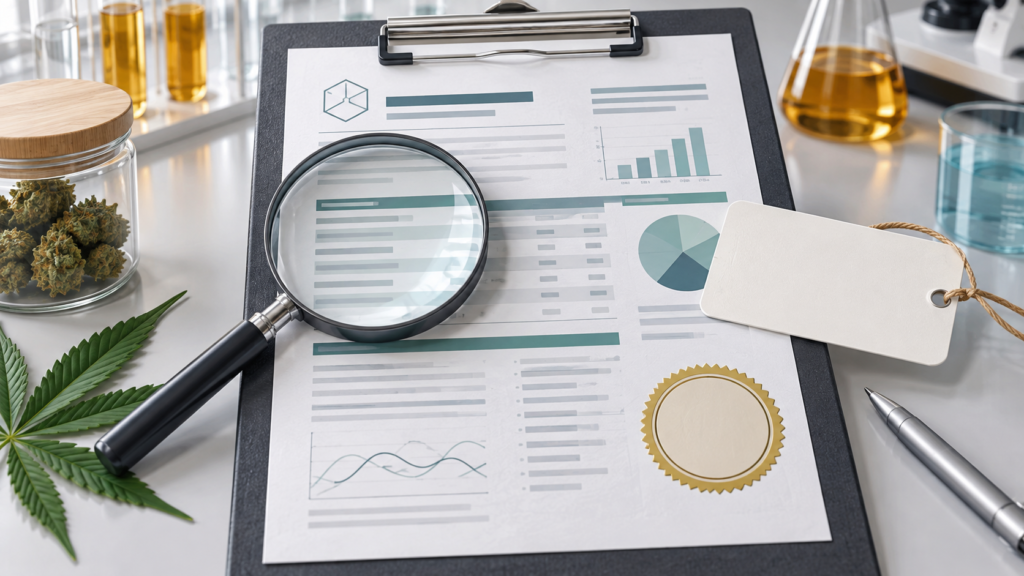
Ask for a readable certificate of analysis before purchase. A report that appears only after checkout makes comparison harder. Use the CBD COA comparison guide to check product identity, batch, test date, laboratory, and testing panels.
7. Does the COA match the finished product?
A raw ingredient report may not prove the composition of a finished gummy, vape, flower package, or capsule. Ask whether the report tested the final product and whether the product name and batch number match. A generic report for a brand is weaker evidence than a report tied to the item being sold.
8. Which safety panels were included?
Ask whether the report includes the categories relevant to the product, such as pesticides, heavy metals, residual solvents, microbes, or mycotoxins. Do not ask for a vague “is it safe?” answer only. Ask what was tested, what method or limit is shown, and what the report does not cover.
Questions about seller experience and transparency
9. Who manufactured and packaged the product?
Ask for the responsible company name, business contact information, and the relationship between the seller, manufacturer, and laboratory. A clear chain of responsibility makes it easier to ask about a mismatch, damaged package, or updated batch.
10. How often are products retested?
There is no single retesting schedule that answers every quality question, but the seller should be able to explain how batch records are maintained. Ask whether new production runs receive new reports and how old COAs are removed or labeled when a batch changes.
11. What happens if the package arrives damaged?
Ask about the process for leaking, broken, missing, or mismatched packages. A professional policy should tell you what to photograph, how quickly to contact support, and whether you should avoid using the item until the issue is reviewed. Keep the packaging and batch number.
Questions about shipping and location
12. Can this exact product ship to my destination?
Do not ask only whether the store “ships nationwide.” Ask whether the exact product, cannabinoid profile, package type, and destination are eligible. Rules can differ by state, local jurisdiction, carrier, and product category. Review the seller’s shipping policy and current destination information before checkout.
13. How are age requirements handled?
Ask whether the seller requires age verification at checkout, delivery, or both. Do not attempt to bypass an age gate. Adult-use eligibility is part of responsible purchasing, not an inconvenience to work around.
14. What are the delivery and return limits?
Ask about delivery estimates, carrier restrictions, failed delivery, returns, and products that cannot be returned after opening. Do not treat a delivery estimate as a guarantee. Save the policy with your order record.
Questions about use, storage, and personal circumstances
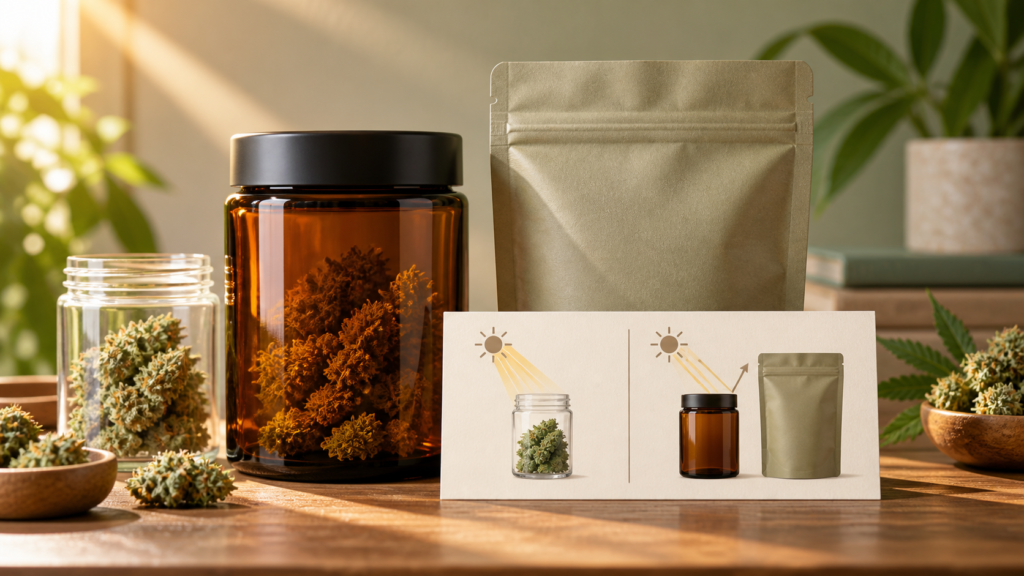
Ask for product-specific storage and handling instructions. Flower may require protection from heat, light, and moisture. Vapes require battery and charging guidance. Edibles need careful storage away from children and pets. The CDC explains that cannabis products can have health risks across different methods of use and that THC can impair attention, memory, decision-making, and reaction. Do not drive or operate equipment while impaired.
Do not ask the seller to diagnose a medical condition or recommend a product as a treatment. If you take medication, are pregnant or breastfeeding, have a health condition, or are considering a product for a minor or pet, ask an appropriate healthcare professional instead. The FDA has raised concerns about CBD safety, interactions, and unproven disease claims.
How to evaluate the seller’s answer
Look for specificity, consistency, and evidence. A strong answer identifies the product, points to the relevant label or report, explains the limit of the information, and gives you a way to verify it. A weak answer repeats marketing words, avoids the batch number, changes the subject, or promises a medical outcome.
- Specific: names the exact product and current batch.
- Documented: links a readable label, COA, or policy.
- Consistent: matches the product page and package.
- Bounded: does not claim universal legality, safety, or results.
- Actionable: explains what the buyer should check next.
Copy-and-paste buyer message
You can ask: “Could you confirm the exact product format, complete ingredients, total CBD and THC amounts, current batch number, finished-product COA, laboratory name, testing panels, storage instructions, age requirement, and whether this product can be shipped to my destination? If the package arrives damaged or the batch does not match the report, what is your support process?”
Frequently asked questions
What is the most important question to ask a cannabis seller?
Ask for the current batch number and a COA that matches the exact finished product. Then read what the report actually tested.
Should a seller promise a specific effect?
No. Personal effects vary, and medical promises can be misleading or unlawful. A seller should describe the product and evidence without guaranteeing treatment or results.
Can a seller confirm that a product is legal everywhere?
No. Eligibility depends on the exact product and the buyer’s location. Check current local rules and the seller’s destination policy.
What if a seller will not answer?
Pause the purchase. Missing information about ingredients, batch identity, testing, or shipping is a valid reason to choose a more transparent listing.
Bottom line
The best questions to ask a cannabis seller are the ones that connect marketing language to verifiable product information. Confirm the format, ingredients, cannabinoid amounts, batch-matched COA, seller identity, age rules, shipping limits, storage, and support process. For more buyer education, visit the Herbxmind blog, review batch-matching guidance, and contact customer support when the listing leaves an important question unanswered.
Editorial note: This article is educational content for adults where permitted. It is not medical advice, legal advice, or a guarantee that any product is safe, lawful, or suitable for a particular person.