

Quick answer: Adult-use cannabis packaging should help a buyer identify the exact product, understand the cannabinoid information, verify the batch, follow storage and age guidance, and recognize any destination restrictions. Before ordering, look for an intact seal, net quantity, ingredients, cannabinoid results, batch or lot number, manufacturer information, warning language, and a way to connect the package to a current COA. Packaging is not a substitute for reading the report or checking the rules where you live.
People searching for adult-use cannabis packaging may be comparing products online, inspecting a package after delivery, or trying to understand whether a label contains enough information to support a purchase. In the United States, packaging expectations can vary by product type and jurisdiction. A practical buyer’s review therefore focuses on traceability and clear information rather than assuming one design works everywhere.
Why packaging matters
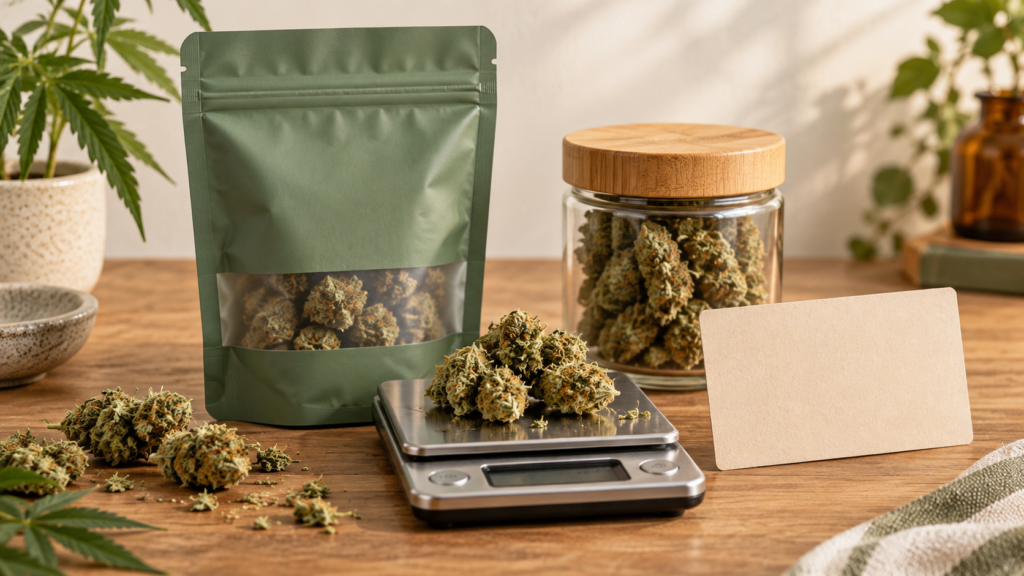
Packaging performs several jobs at once. It protects the product from damage and contamination during handling, keeps product information with the item, communicates warnings and storage instructions, supports age-gated sales, and connects a finished package to a production batch. Good packaging makes it easier to answer basic questions: What is this? How much is in it? What does the label say? Which batch was tested? Who made it? Where can it be shipped?
Packaging should also reduce accidental access by children and pets when required by the applicable rules. A package that looks like an ordinary snack or candy can create confusion, which is one reason the FDA has raised concerns about cannabis-derived products and accidental consumption. Read the agency’s consumer information about CBD in foods when evaluating edible-style presentation.
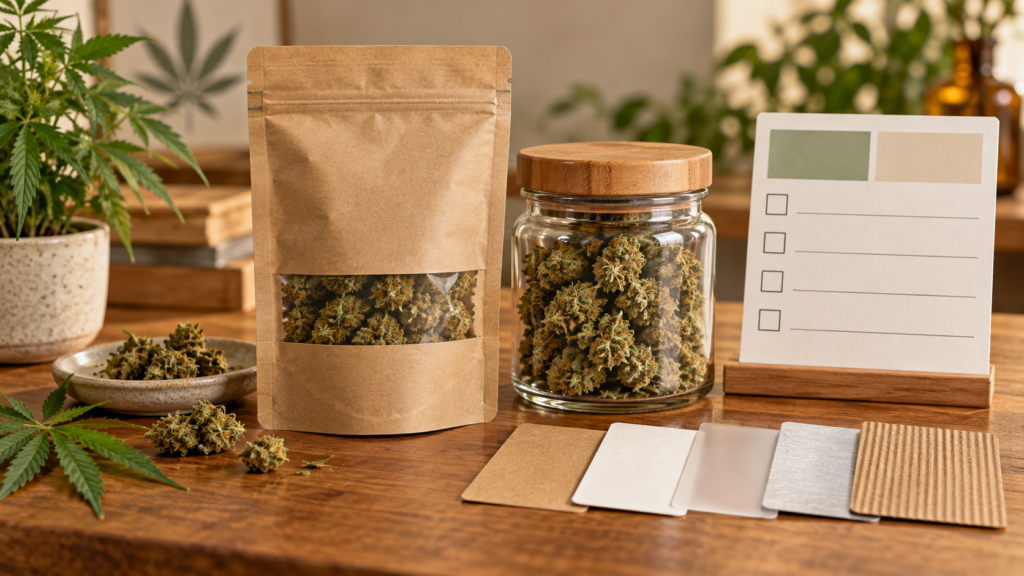
Adult-use packaging checklist
- Product identity: the product name and format are clear.
- Net quantity: weight, volume, or unit count is easy to find.
- Cannabinoid information: CBD, THC, delta-9 THC, and other relevant results are stated with units.
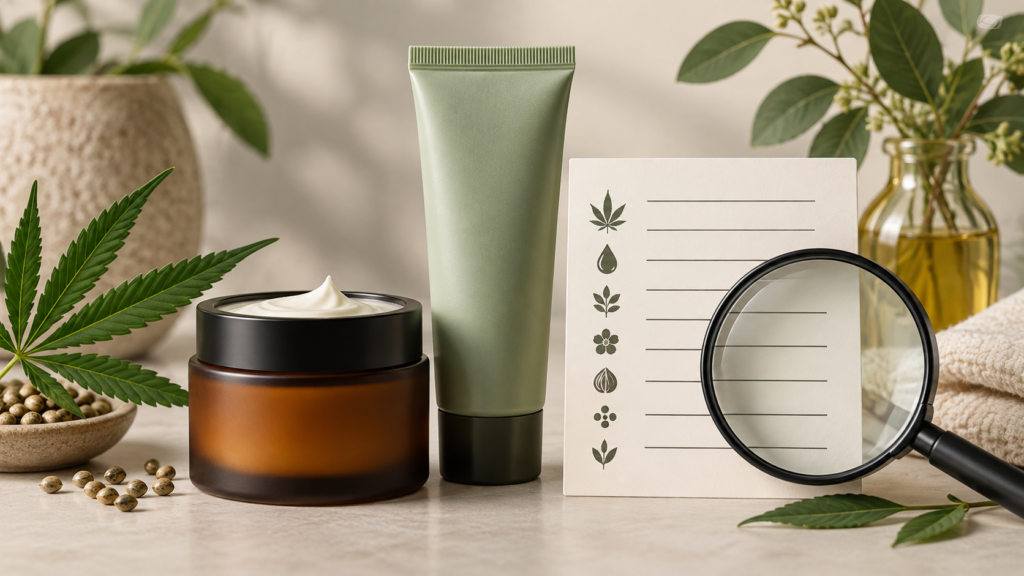
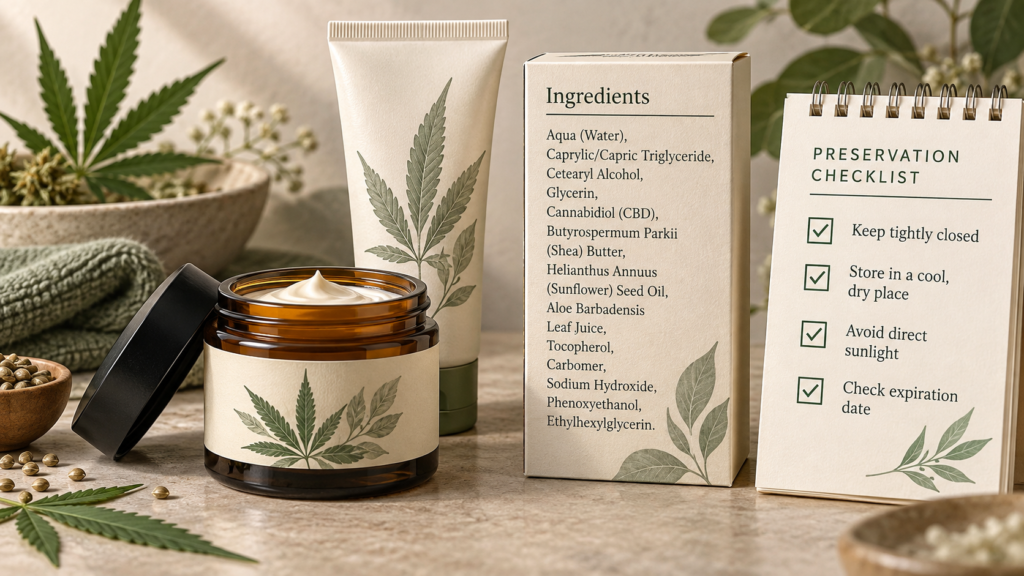
- Ingredients: the complete formula is available for the product type.
- Batch or lot: a traceable identifier connects the package to production records or a COA.
- Manufacturer or seller: the responsible business can be identified and contacted.
- Seal condition: tamper evidence is intact on arrival.
- Warnings and storage: instructions are visible and understandable.
- Age and destination: the seller explains who can buy and where delivery is available.
Read the front panel, then read the back
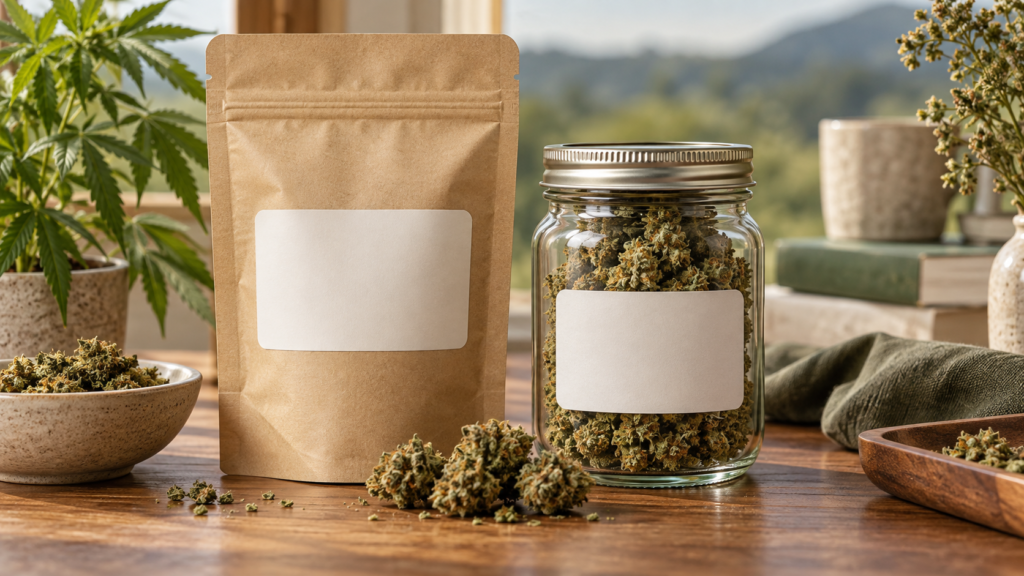
The front panel is usually designed for quick recognition. It may show the brand, product name, flavor, cannabinoid emphasis, and package size. It is useful, but it is not the whole product record. Turn the package over and look for the ingredient list, cannabinoid amounts, warnings, manufacturer details, batch information, and storage directions.
Do not confuse “hemp,” “natural,” “premium,” or “lab tested” with a complete quality explanation. Those phrases may be part of marketing language. The back or side panel should provide the measurable and traceable details needed to compare the item. If the important information appears only in a tiny image or is missing entirely, ask the seller before buying.
Batch numbers and COAs
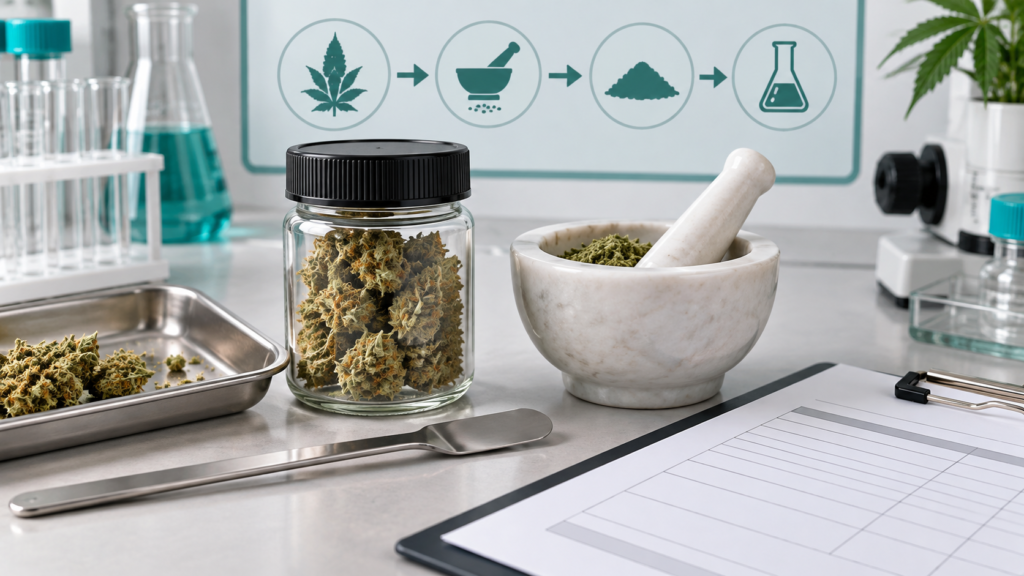
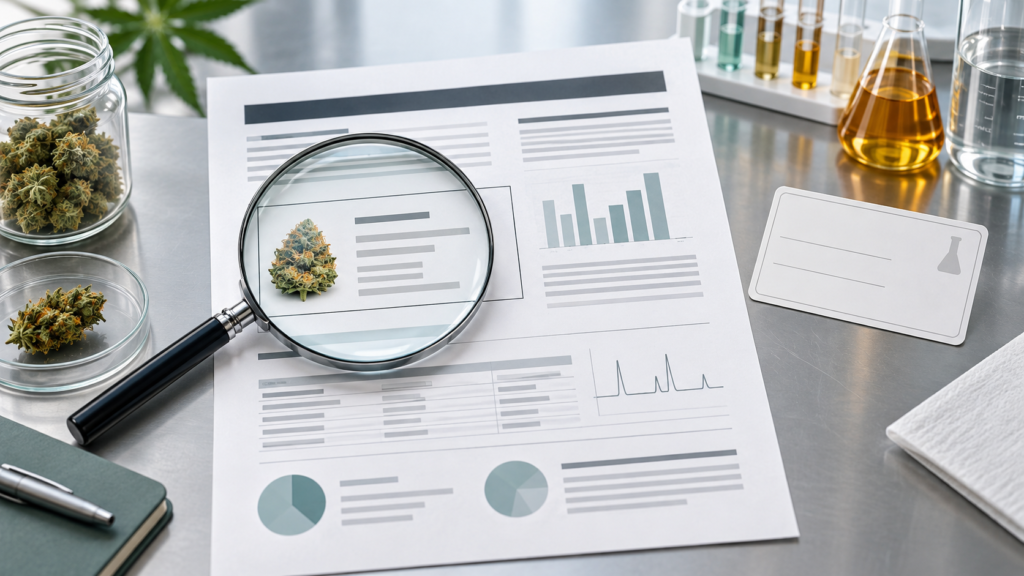
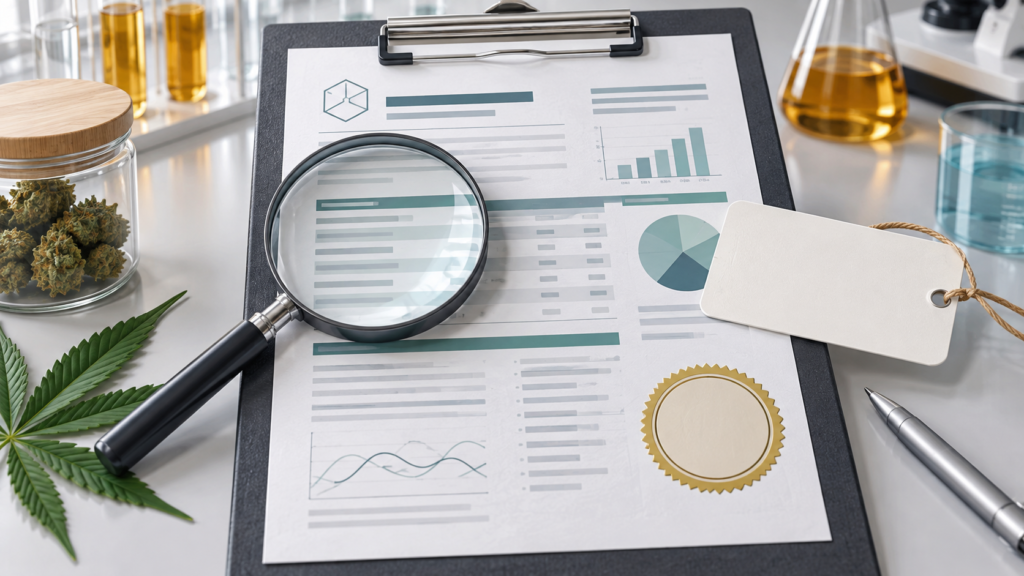
The batch or lot number is one of the most useful packaging details because it can connect the product in your hand to a particular laboratory report. Write it down or photograph it before opening the package. Then find the corresponding COA on the product page or the seller’s lab-results section. Compare product name, format, batch identifier, test date, lab identity, and relevant panels.
A QR code may link to the report, but the code itself is not proof that the product passed every possible test. Follow the link and read the report. A generic report, an old batch, or a document for another flavor should not be treated as evidence for the item you received. Our third-party tested CBD guide explains how to check that connection.
Packaging and cannabinoid amounts
Consumers may see total cannabinoids per package, amounts per serving, percentages, or milligrams per gram. These measurements describe different things. A package with ten pieces may list a total amount and a per-piece amount. A flower product may use weight and percentage. A vape may list total liquid, total cannabinoid amount, or concentration. Compare like with like and do not perform label math from a single number without checking the unit.
Also check whether the package identifies total THC, delta-9 THC, CBD, or other cannabinoids. A “hemp-derived” phrase does not answer every cannabinoid question. The actual label and current batch report should provide the relevant information for the exact product.
Seals, closures, and arrival inspection
When a package arrives, inspect the outer box, inner pouch, cap, seal, and label. Look for tears, leaks, punctures, swelling, broken tamper evidence, unusual moisture, missing labels, or a product that does not match the order. Do not use a product that arrived materially damaged or has an unexplained change in appearance or smell. Photograph the condition and contact customer support before discarding the packaging.
Packaging inspection is not a laboratory test. It can reveal handling problems and identity mismatches, but it cannot confirm cannabinoid content or contaminant status. Keep the package until you have reviewed the item and resolved any customer-service issue.
Child-safety and storage information
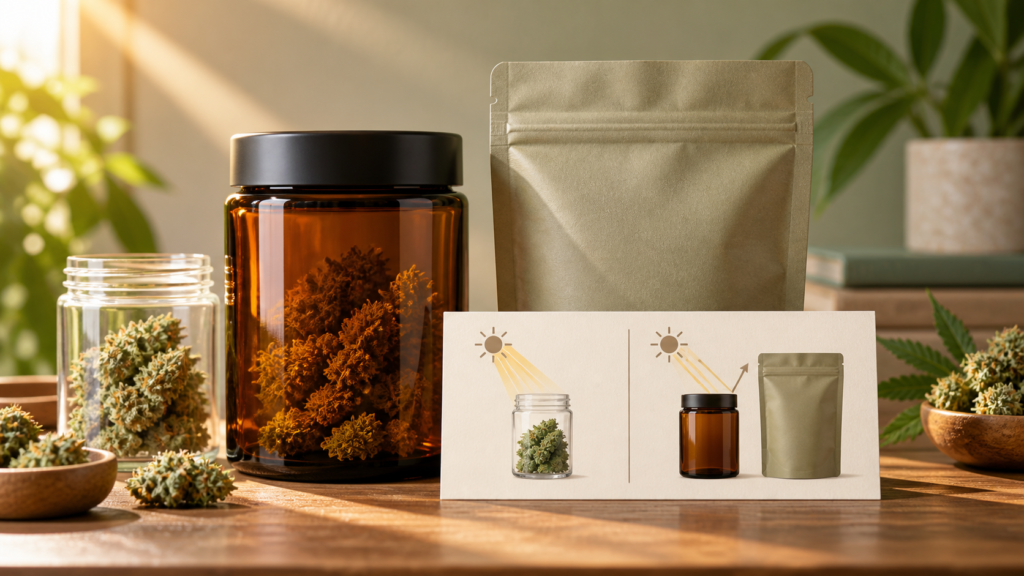
Adult-use products should be stored responsibly. Follow the product’s instructions and keep it away from children, pets, heat, direct sunlight, and unnecessary moisture. Edibles should not be stored in a place where they can be confused with ordinary food. Vape devices should be kept away from high temperatures and handled according to battery instructions. Flower and other plant material should remain in suitable sealed packaging when possible.
Do not transfer a product to an unmarked container if doing so would remove the batch, ingredient, or warning information. If you must use another storage container, keep the original label and records with it. Responsible storage protects both the product and the people around it.
Packaging does not make medical claims credible
Words such as “relief,” “treat,” “cure,” “anti-inflammatory,” or “sleep remedy” can go beyond an ordinary product description. The FDA warns consumers about unproven CBD disease claims and explains that retail CBD products should not be confused with an FDA-approved prescription medicine. Packaging should describe the product accurately without promising a diagnosis, treatment, or guaranteed outcome.
The CDC also explains that cannabis use can carry health risks across different methods and that the effects of THC can include impairment. Do not drive or operate equipment while impaired, and do not assume that an attractive package or a “natural” claim removes risk. If you use medication, are pregnant or breastfeeding, have a health condition, or are considering a product for a minor or pet, consult an appropriate healthcare professional.
Shipping and legal information
Packaging cannot determine shipping legality by itself. The exact cannabinoid profile, product type, destination, age restrictions, carrier rules, and local law may all matter. Review the seller’s where-we-ship page before checkout and read the legal disclaimer. Rules change, so an old package image or a generic statement about hemp should not be treated as a current legal opinion.
What responsible sellers should show online
A transparent product page should show the same identity information that appears on the package. It should explain the format, ingredients, net quantity, cannabinoid profile, batch connection, testing documentation, storage, age requirements, shipping limits, and customer-service process. Product images should not hide the label information that matters to a buyer.
Herbxmind’s educational resources connect packaging to lab-results information, product browsing, and customer support. These links help a reader move from general education to a specific product check without treating a broad blog statement as a guarantee about every item.
Packaging mistakes buyers should avoid
Do not assume a professional-looking package means the contents were independently tested. Do not assume a QR code means the report matches the batch. Do not throw away the package before recording the lot number. Do not buy a product when the ingredient list is missing, the net amount is unclear, or the seller refuses to explain the COA. Do not treat a warning-free front label as proof that no restrictions apply.
Frequently asked questions
What is the most important detail on adult-use cannabis packaging?
For traceability, the batch or lot number is especially important because it can connect the package to the product’s laboratory information. It is still only one part of the full label.
Should packaging show the COA?
The package may show a QR code or batch reference, while the full report is hosted online. The important point is that the identifier should let the buyer connect the product to a readable, current report.
Can packaging prove a product is legal?
No. Packaging can provide information, but legality depends on the product, destination, applicable rules, and current enforcement context.
What should I do if a package arrives damaged?
Photograph the package, keep the label and batch information, avoid using the product, and contact the seller for instructions.
Bottom line
Good adult-use cannabis packaging makes responsible comparison easier. Look for clear identity, measurable cannabinoid information, complete ingredients, batch traceability, intact seals, storage guidance, age information, and destination limits. Then match the package to its COA and keep every conclusion within the evidence. Visit the Herbxmind blog for more buyer education and read our batch-number guide when you want to go deeper.
Editorial note: This article is educational content for adults where permitted. It is not medical advice, legal advice, or a guarantee that any product is safe, lawful, or suitable for a particular person.