

Quick answer: “Third-party tested CBD” should mean that an independent laboratory analyzed a particular product sample and issued a readable report. To verify the claim, match the product name, batch or lot number, test date, laboratory identity, and testing panels. A logo, badge, or QR code is not enough on its own. The report is evidence about the tested sample, not a guarantee about every product a company sells.
Many US shoppers search for third-party tested CBD because they want more information than a front label can provide. That is a sensible goal, but the phrase is often used loosely. A careful buyer needs to understand what a laboratory report can support, what it cannot prove, and how to connect the report to the item in a cart or package.
What third-party testing is supposed to add
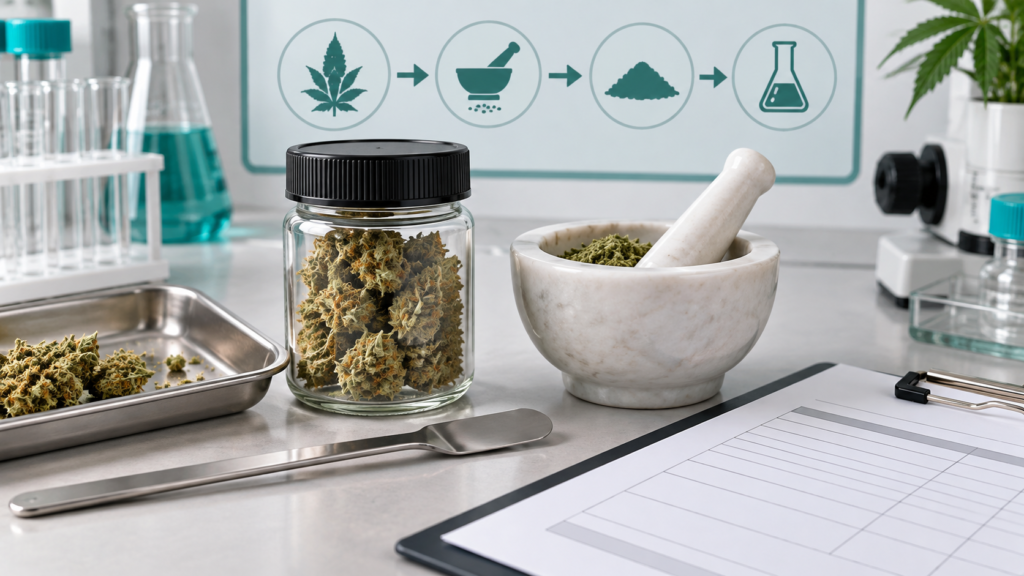
Third-party testing adds an independent measurement step between the seller’s product claim and the buyer’s decision. A laboratory may analyze cannabinoid concentrations and, depending on the product and the lab’s scope, test for pesticides, heavy metals, residual solvents, microbes, mycotoxins, or other categories. The exact scope matters. A report that lists cannabinoids alone does not answer every possible quality question.
Testing also has limits. A laboratory report describes a sample received by the lab under the conditions stated in the report. It does not automatically prove that the package you received came from that sample, that the product stayed unchanged during storage, or that later batches have the same profile. That is why product-to-report matching is the most important practical skill.
Why the word “third-party” matters
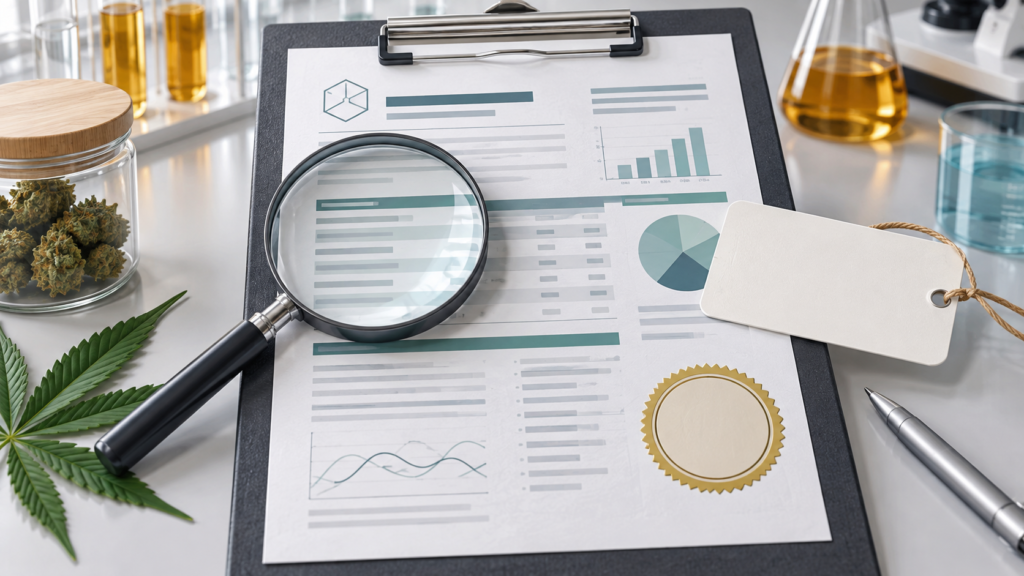
A seller can perform internal quality checks, but buyers usually look for an outside laboratory to reduce the risk that the same company is the only source of the result. “Third-party” should identify an organization separate from the seller or manufacturer. A professional report should identify the lab, the sample, the test methods or panel, and the result date. If the laboratory name is absent or the report cannot be opened, ask for clarification.
Do not confuse “third-party tested” with “FDA approved.” The FDA states that it has approved a specific prescription CBD drug for specific seizure conditions, but that does not mean ordinary retail CBD products have been approved as medicines. The agency also warns about unproven disease claims and unresolved safety and quality questions. Read the FDA’s explanation of what it does and does not approve before interpreting a lab badge as a health endorsement.
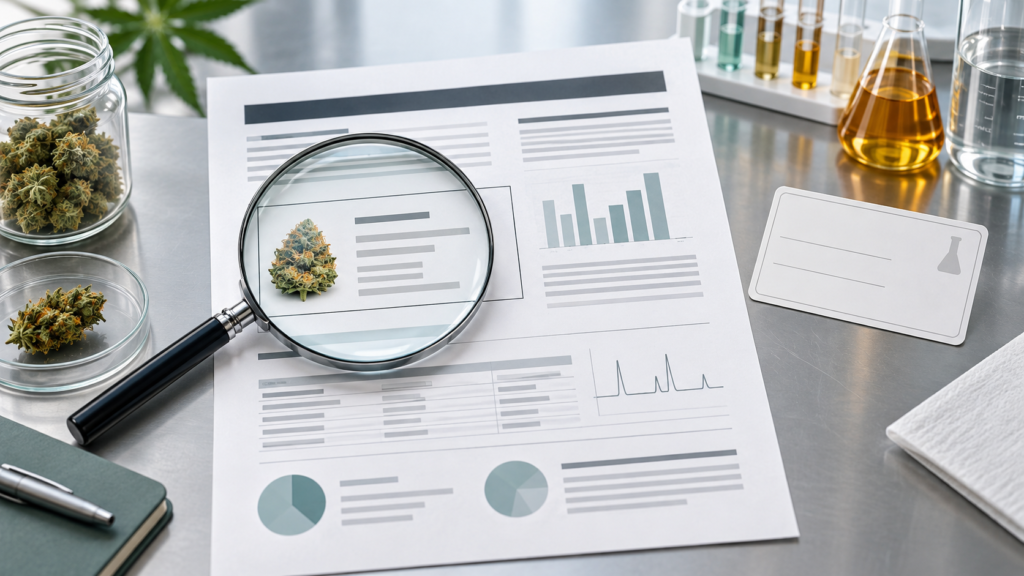
The five-part COA verification method
1. Match the product identity
Check whether the report names the same product format, flavor, strain, or product family shown on the product page. A gummy report should not be used to support a vape, and a flower report should not be used to support an oil. If the report uses an internal product code, look for a cross-reference from the seller.
2. Match the batch or lot number
The batch or lot number is the bridge between the report and the package. Look on the label, bottom seal, outer box, or product page. If the number is missing, unreadable, or different from the COA, stop and ask the seller before buying or using the product. A generic report with no batch connection is weaker evidence than a report tied to the exact item.
3. Check the test date
Look for sample received, test completed, or report issued dates. The date does not automatically tell you whether a product is safe or fresh, but it helps you understand whether the report corresponds to the current production run. A product page should not display one old report indefinitely while selling many later batches without explanation.
4. Identify the laboratory
Check the lab name, location or contact information when provided, and report identifier. The goal is not to judge a laboratory from a logo alone. The report should be readable and sufficiently detailed for a buyer to understand what was tested. If you need to make a high-stakes decision, verify the lab through reliable information and ask the seller for the report’s scope.
5. Read the testing panels
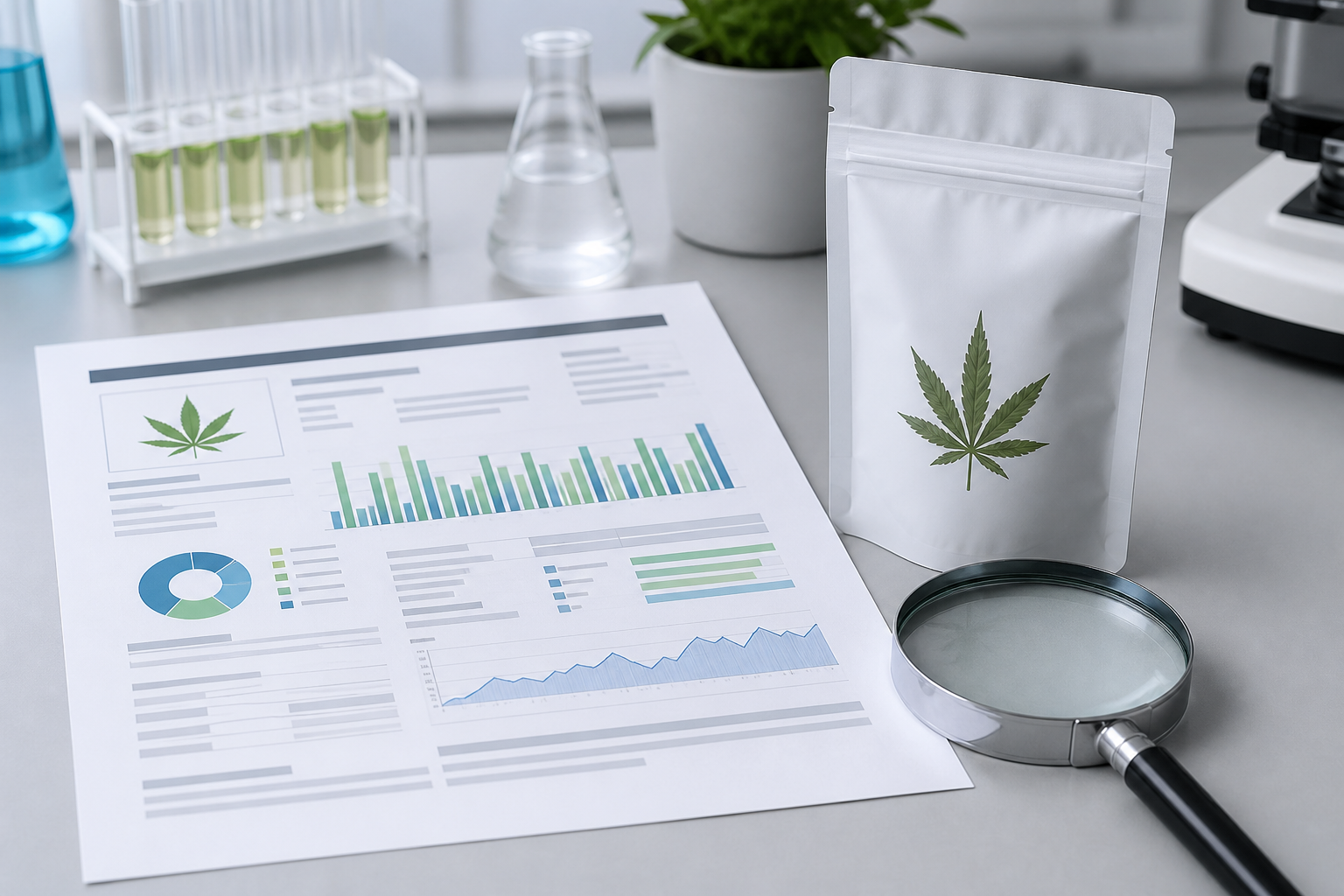
Start with the cannabinoid profile, then look at the product-relevant safety panels. The available categories can differ by product type. Ask which contaminants were included, what the reporting limits mean, and whether “not detected” refers to a specific analytical limit. Do not rewrite a report as a universal claim such as “free of everything.” Describe only what the report actually shows.
How to read cannabinoid results
CBD reports may list CBD, THC, delta-9 THC, and other cannabinoids in percentages, milligrams per gram, or total milligrams. Confirm the unit before comparing products. A package total and a concentration are different measurements. If the product page claims a total amount that does not appear to align with the COA, contact the seller.
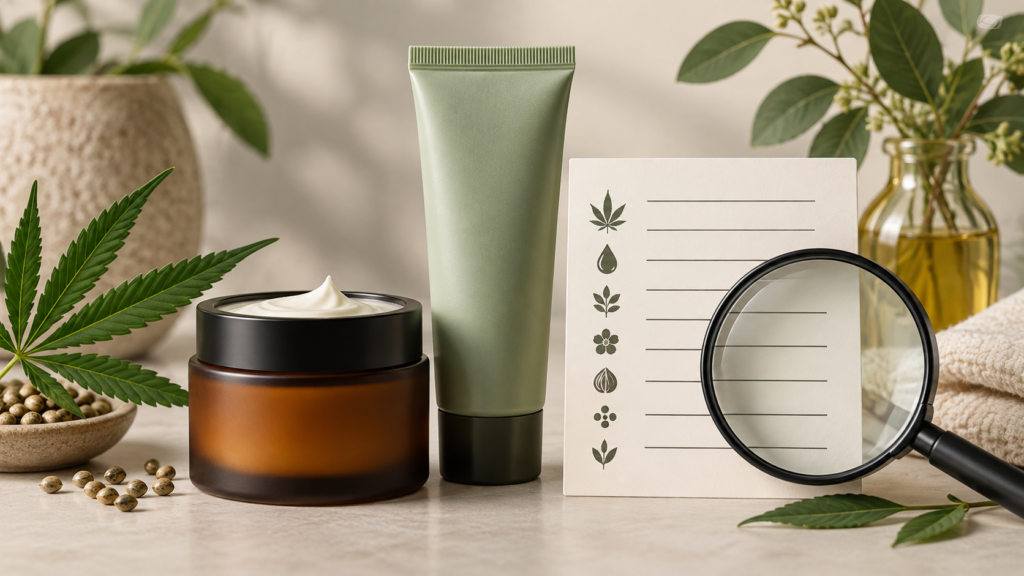
Also inspect whether the report is for the final finished product or for a raw ingredient. A raw extract report cannot automatically prove the composition of a finished gummy, vape, capsule, or flower package. The report’s sample description should make that distinction clear.
How to assess contaminant panels without overclaiming
Contaminant testing is useful when the report identifies what was tested and the result interpretation. Pesticide, heavy-metal, microbial, solvent, and mycotoxin panels may have different methods and limits. The absence of one panel does not mean the product contains a contaminant; it means the report does not answer that question. This is an important E-E-A-T boundary: transparency is more credible than a broad promise.
If a report shows a result outside the stated limit, do not use the product and ask the seller for an explanation or replacement process. Keep the package and report available. If you experience a concerning reaction, seek appropriate medical advice. The FDA’s cannabis and CBD information page provides consumer and regulatory resources, including reporting pathways for certain product concerns.
QR codes and online COA libraries
A QR code can make a report easier to access, but it is not the report itself. Scan it and verify the destination. It should lead to a product-specific document or a clearly organized batch library. Compare the number on the report with the package. Be cautious if the code redirects to a generic homepage, requires unnecessary personal information, or opens a document that does not name the product.
A public COA library can be useful when it is organized by product and batch. It becomes less useful when the page contains hundreds of files with no clear way to identify the current item. Save the relevant report as part of your purchase record, but remember that a saved file is evidence of what was published, not proof of what is inside every unit.
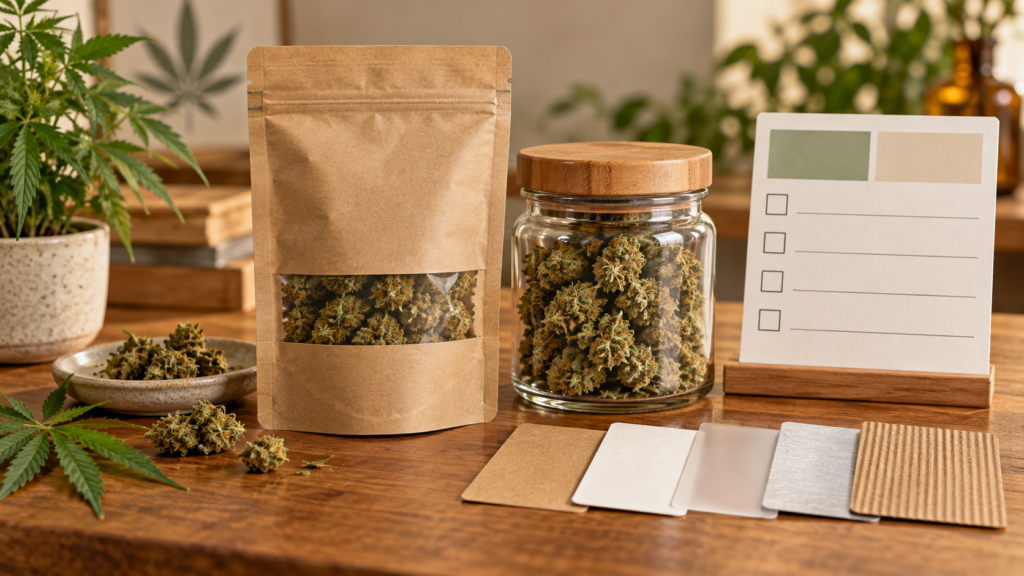
Third-party tested CBD buying checklist
- Find the complete ingredient list and product format.
- Locate the current batch or lot number.
- Open the COA before checkout, not only after delivery.
- Match the product name and batch number.
- Read the cannabinoid units and amounts.
- Check the report date and lab identity.
- Review the relevant safety panels and their limits.
- Compare the COA with the package when it arrives.
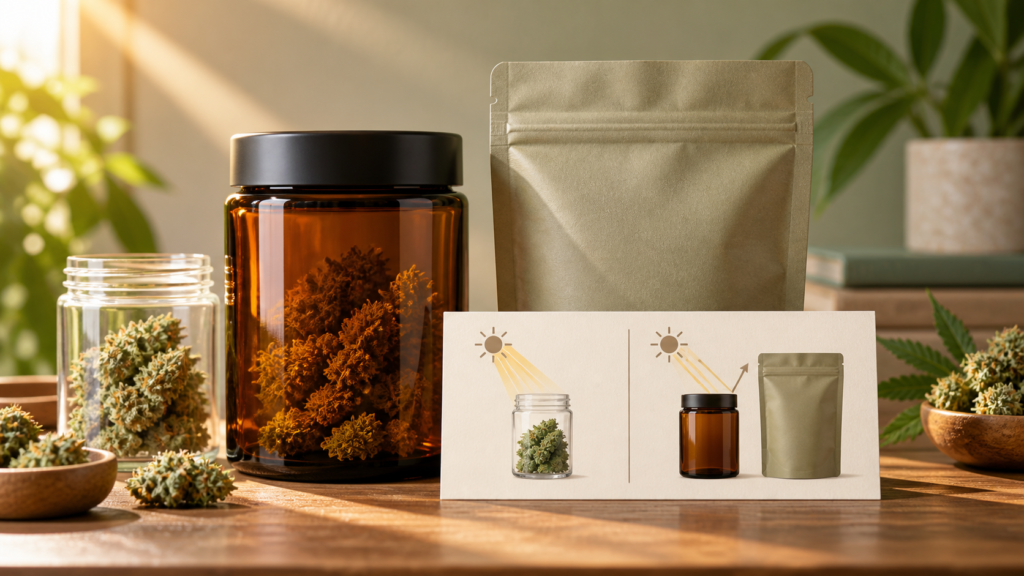
- Store the product and documentation according to instructions.
- Contact the seller when a key detail is missing or inconsistent.
What testing does not tell you
A COA does not tell you that a product will produce a particular personal effect. It does not replace medical advice, prove legal availability in every jurisdiction, or certify that a product is suitable for pregnancy, breastfeeding, medication use, a health condition, a minor, or a pet. It also does not remove the need to follow age, storage, shipping, and responsible-use requirements.
The CDC explains that cannabis products can carry health risks across different methods of use and that scientists do not have enough evidence to call one method universally safer than another. Buyers should therefore treat testing as one part of a broader decision, not as a promise that eliminates all risk.
Internal records that improve trust
For sellers, trust improves when product pages make the evidence easy to find and explain. A good page links the product to its current COA, identifies the batch, states the test scope, gives storage guidance, and avoids inflated claims. Herbxmind readers can also review our lab results information, batch-matching checklist, and shipping information before ordering.
Frequently asked questions
Does third-party tested mean the product is safe?
No. It means an outside laboratory analyzed a sample under a stated scope. Read the report and consider the ingredients, use instructions, destination rules, and personal circumstances.
Is a QR code proof of testing?
No. It is only a way to access information. Verify that it leads to a readable, product- and batch-matched report.
How recent should a COA be?
There is no single age that answers every product question. Match the report to the current batch and ask the seller how frequently the product is retested.
What if the COA and package do not match?
Pause use, photograph the package, save the report, and contact the seller. Do not assume the difference is harmless.
Bottom line
Third-party tested CBD is a useful starting point only when the claim is specific and verifiable. Match the product to the batch, read the report’s actual panels, understand the units and limits, and keep the evidence within its proper boundaries. Browse the Herbxmind blog or contact the team when a product page leaves an important question unanswered.
Editorial note: This article is educational content for adults where permitted. It is not medical advice, legal advice, or a guarantee that any product is safe, lawful, or suitable for a particular person.