

Quick answer: This Herbxmind guide covers CBD vs THC differences for adult buyers with practical label, COA, ingredient, and responsible-buying checks for adult consumers.
CBD and THC are both cannabinoids found in cannabis, but they are not interchangeable product categories. For eligible adult buyers, the practical differences appear in product labeling, expected product positioning, lab documentation, and regional rules. Understanding those differences helps shoppers ask better questions before reviewing a product page or placing an order.
CBD vs. THC at a Glance
CBD is commonly used to describe products centered on cannabidiol. THC is a broader label for tetrahydrocannabinol compounds, including products whose main identity is Delta-9 THC. The exact formulation, concentration, and product category matter more than a short label alone.
| What to compare | CBD-focused product | THC-focused product |
|---|---|---|
| Main question | What CBD content and formulation are documented? | What THC type, amount, and batch are documented? |
| Lab review | Cannabinoid profile and safety categories | THC potency, total cannabinoids, and safety categories |
| Buyer check | Product claims and intended market | Age eligibility, local rules, and regional fulfillment |
This table is a starting point, not a legal classification. A product’s actual status depends on its formulation, documentation, destination, and applicable rules.
Read the COA, Not Just the Product Name
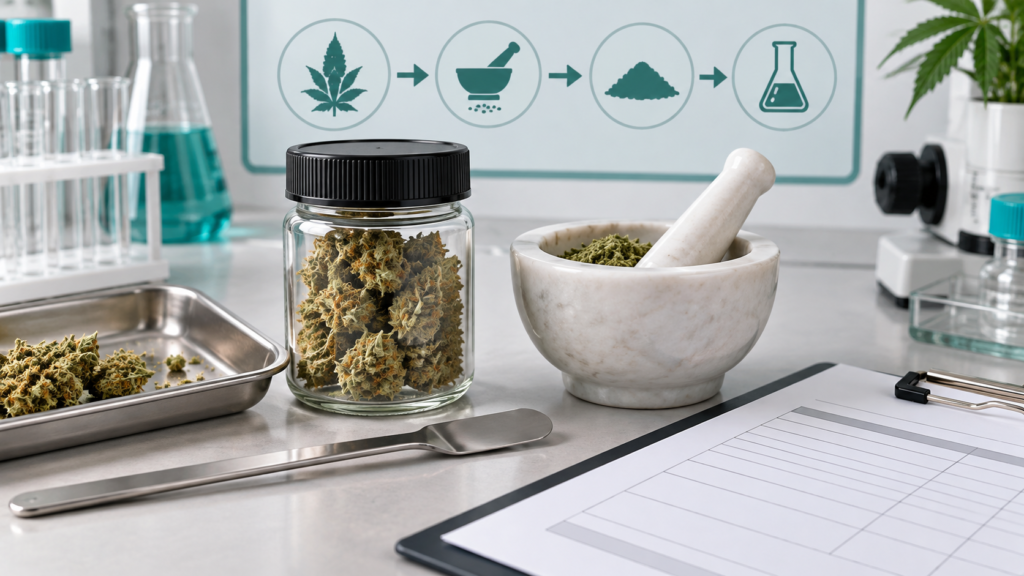
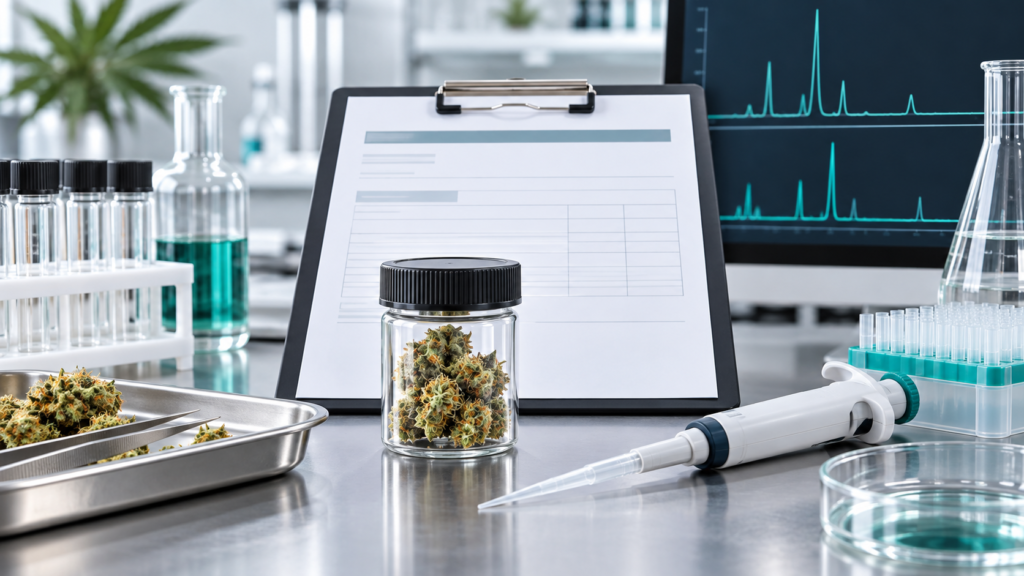
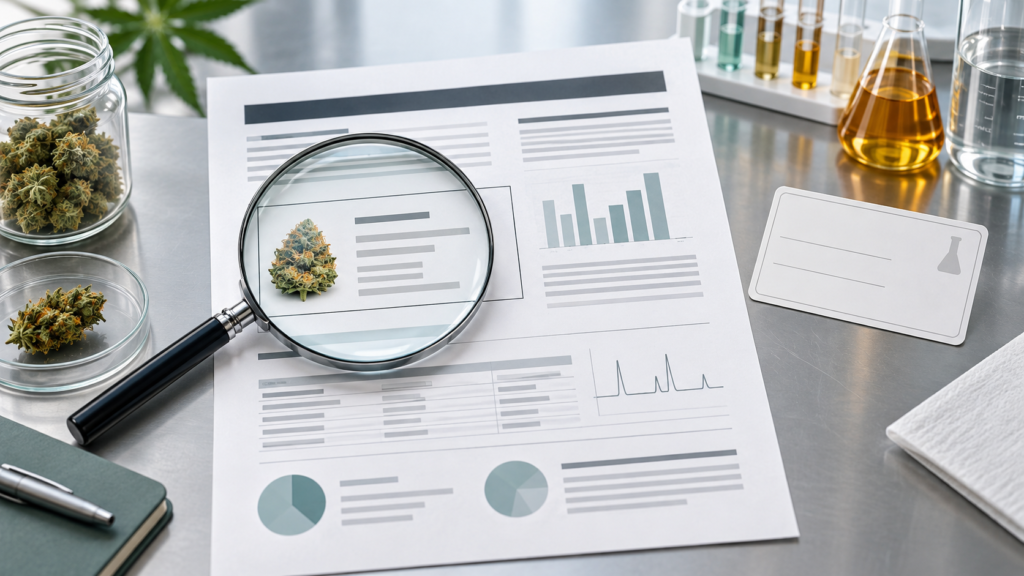
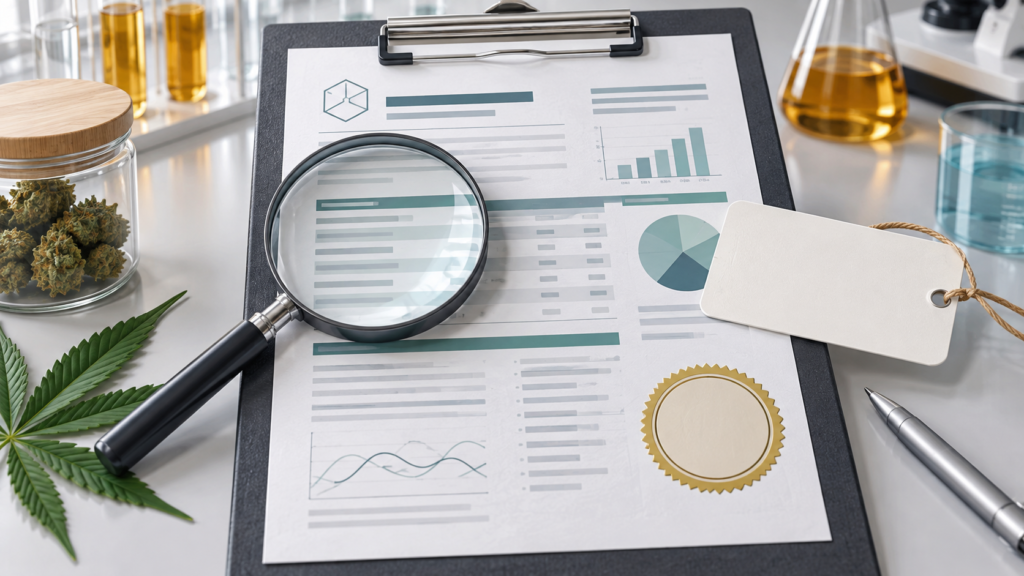
A certificate of analysis can show cannabinoid results, sample identity, matrix, batch or lot number, report date, and selected safety categories. Compare the report to the exact product being considered. A concentrate report should not automatically be treated as a finished vape or edible report.
Check whether the report identifies CBD, Delta-9 THC, THCA, minor cannabinoids, total cannabinoids, and the units used. If a product page uses a large number but the COA uses a different unit, ask for clarification before comparing products.
Avoid Treating CBD or THC as a Medical Promise
CBD and THC product pages should describe formulation, format, flavor, potency information, lab transparency, and eligibility. They should not promise to diagnose, treat, cure, or prevent a disease. Individual responses also vary, so potency is not a guarantee of a particular experience.
Check Regional Availability Before Ordering
CBD and THC products can be treated differently by federal, state, and local rules. Rules may also vary by product format and change over time. Review the destination’s current requirements, age rules, and shipping restrictions. A lab report supports transparency; it does not replace a destination eligibility check.
FAQ
Is CBD the same as THC?
No. CBD and THC are different cannabinoids and may appear in different product categories and formulations.
Does a COA prove a product is legal everywhere?
No. A COA documents tested material or a product batch. It does not provide universal legal clearance.
Where can I review Herbxmind product information?
Review the relevant product page, lab results library, and regional availability information when available.
Compliance Note: Herbxmind products are intended only for eligible adults in regions where local law allows access. This article is informational and is not legal or medical advice.